
Unlock the Secret to a Perfect Night's Sleep with the Ultimate Mattress Cooling Solution!
Sleep is an essential component of our overall well-being, yet many of us struggle to achieve restful slumber. One of the most significant factors affecting sleep quality is temperature. As we sleep, our bodies undergo various physiological changes, including fluctuations in temperature that can significantly impact our comfort. With the increasing awareness of sleep science, the demand for mattress cooling systems has surged. These innovative solutions play a crucial role in helping individuals maintain an optimal sleeping temperature, leading to better rest and improved health. Finding the right cooling solution tailored to your personal needs can mean the difference between a restless night and a rejuvenating sleep experience.
The Science Behind Sleep and Temperature
Our bodies naturally cool down as we prepare for sleep, reaching their lowest temperature in the early hours of the morning. This physiological process is designed to promote deeper sleep, but when the sleeping environment is too warm, it can disrupt this cycle. The ideal sleeping temperature is typically between 60°F to 67°F (15°C to 19°C), depending on personal preferences. When we sleep in a cooler environment, it can help facilitate the release of melatonin, the hormone responsible for regulating sleep cycles. Conversely, overheating during the night can lead to restlessness, frequent awakenings, and even night sweats. Understanding the relationship between temperature and sleep quality is essential for those seeking to enhance their nightly rest.
Types of Mattress Cooling Systems
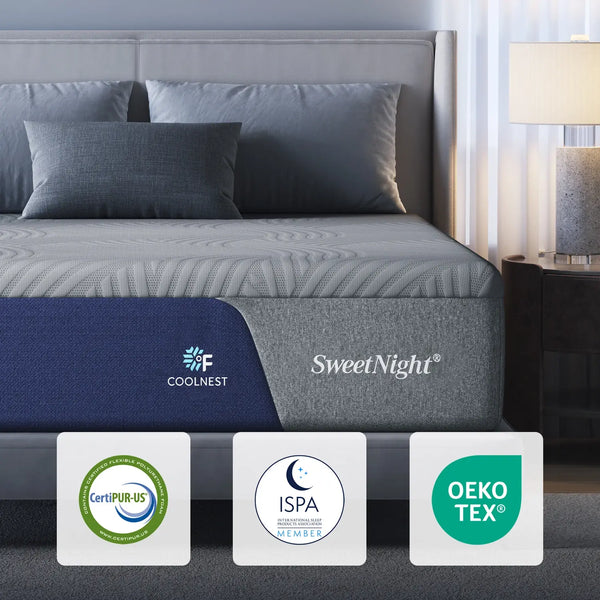
There are several types of mattress cooling systems available, each designed to address different needs and preferences. Gel-infused mattresses are popular for their ability to dissipate heat, as the gel layers absorb and distribute body warmth more effectively than traditional foam. These mattresses often provide a comfortable sleep surface that remains cool throughout the night. Breathable materials, such as cotton and bamboo, are another excellent option. They allow for better airflow and moisture-wicking, keeping you dry and comfortable. Active cooling technologies, like mattress pads with built-in cooling systems, can also be considered. These devices often use water or air circulation to actively manage temperature. While gel-infused mattresses may be more affordable and require less maintenance, active cooling systems can provide precise temperature control but may come with higher costs and more complex maintenance requirements. Ultimately, the best choice depends on individual preferences and sleeping habits.
Factors to Consider When Choosing a Cooling System
When selecting a mattress cooling system, several factors come into play. First, consider the material of your mattress. If you have a memory foam mattress, a gel-infused option may work best to counteract heat retention. Your sleeping habits also matter; side sleepers might prefer softer materials that contour to their body, while back sleepers may benefit from firmer options. Budget is another crucial consideration. While investing in a quality cooling system can significantly improve sleep quality, it is essential to find something that fits within your financial means. Lastly, maintenance requirements should not be overlooked. Some cooling systems may require regular inspections and cleaning to ensure optimal performance. Take the time to assess your individual needs thoroughly and choose a system that enhances your sleep experience.
How to Maintain Your Mattress Cooling System
To ensure the longevity and performance of your mattress cooling system, it is essential to establish a regular maintenance routine. Regularly inspect for leaks or blockages, check connections, and clean the materials according to the manufacturer’s guidelines. Most cooling systems require periodic maintenance to remain efficient. Spot-clean mattresses with mild soap and water, but be cautious not to oversaturate. You can start with gentle washing and increase as necessary, being mindful of wear and sagging over the years. By following these guidelines, you can help extend the life and effectiveness of your cooling system, ensuring you continue to enjoy restful sleep.
Enhancing Sleep Quality with Optimal Cooling Solutions
In conclusion, understanding the relationship between sleep quality and temperature is vital for anyone looking to enhance their nightly rest. With a variety of mattress cooling systems available, there is a solution to fit every need and budget. From gel-infused mattresses to advanced active cooling technologies, investing in the right cooling system can significantly improve sleep quality and overall well-being. As sleep is a crucial part of our health, taking action to find a cooling solution that works for you is essential. Embrace the opportunity to unlock a perfect night's sleep and wake up refreshed, ready to take on the day!