
Discover the Secret to Pure Water: Which Home Filter System Reigns Supreme?
In today's world, the importance of clean water cannot be overstated. Access to safe drinking water is crucial for our health and well-being, yet many people are increasingly concerned about the quality of the water that comes from their taps. With contaminants ranging from chlorine to heavy metals, it’s vital to ensure that your family has access to pure water. This is where home water filter systems come into play, acting as a safeguard against harmful substances. This article aims to compare various best home water filter systems, guiding you through the options available to help you make an informed purchasing decision.
Understanding Home Water Filter Systems
Home water filter systems are designed to improve the quality of drinking water by reducing or eliminating harmful contaminants. These systems can be installed at various points in your home, from kitchen faucets to whole-house applications. The general purpose of these filters is to provide safe, great-tasting water while also protecting your household from potentially harmful substances. Each type of system has its unique approach to filtration, whether it be through physical barriers, chemical reactions, or biological processes. Understanding these systems is essential for making a wise investment in your family's health.
Types of Home Water Filter Systems
When considering home water filters, it’s essential to explore the different categories available in the market:
Activated Carbon Filters
Activated carbon filters are among the most popular types of water filtration systems. They work by adsorbing impurities and contaminants onto the surface of the carbon granules. These filters are excellent for removing chlorine, volatile organic compounds (VOCs), and bad tastes and odors. While they are effective for many contaminants, they may not be as effective against heavier metals or microorganisms, which can be a downside depending on your water source.
Reverse Osmosis Systems
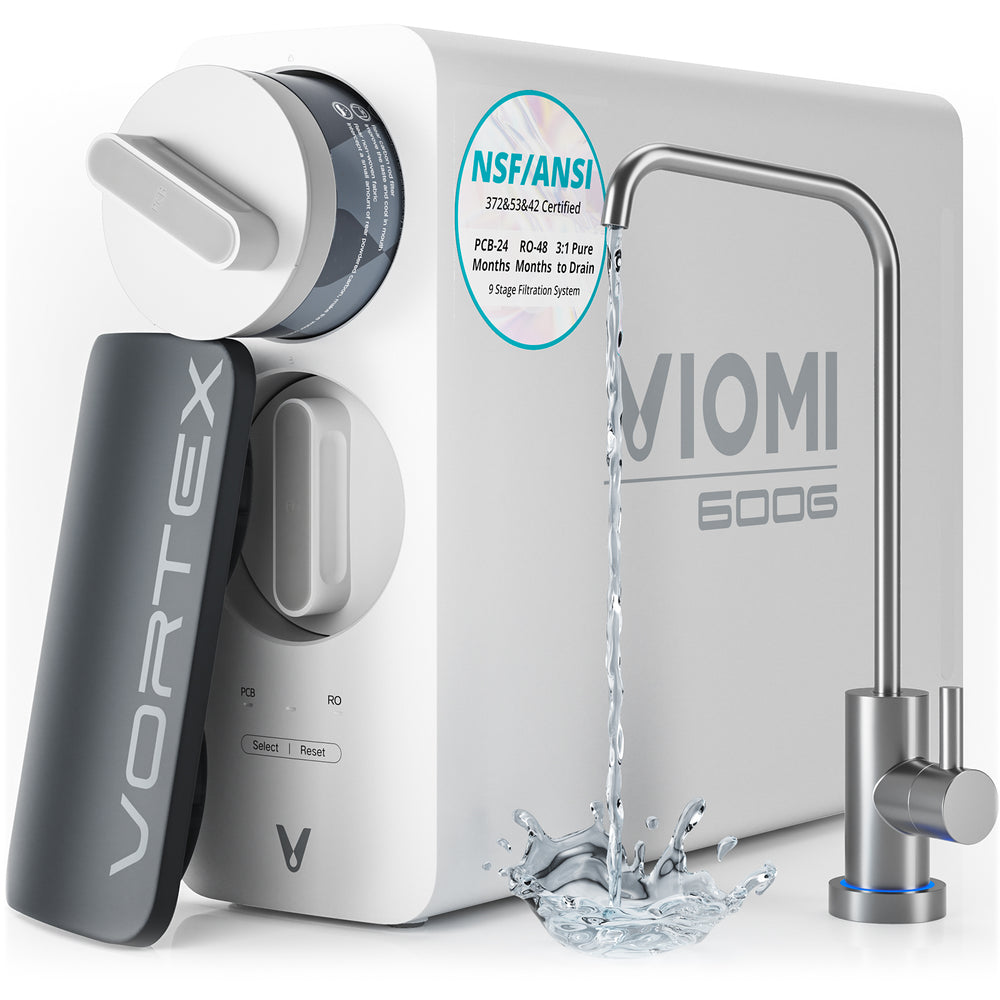
Reverse osmosis (RO) systems are highly regarded for their effectiveness in purifying water. This process forces water through a semi-permeable membrane, which filters out a wide range of contaminants, including heavy metals and salts. However, the downside of RO systems is that they can waste a significant amount of water during the purification process and often require a storage tank, making them less ideal for those with limited space.
Ultraviolet (UV) Filters
Ultraviolet filters utilize UV light to kill bacteria, viruses, and other pathogens in the water. This method is particularly effective for those concerned about biological contaminants. However, UV filters do not remove chemical pollutants or heavy metals, so they are best used in conjunction with other filtration methods to ensure comprehensive purification.
Water Distillers
Water distillers operate by boiling water and then condensing the steam back into liquid form, effectively removing a wide range of contaminants, including minerals and heavy metals. While distillation can produce very pure water, it is a slow process and may require more energy than other filtration methods, which can be a significant drawback for some households.
Factors to Consider When Choosing a Home Water Filter System
When selecting a home water filter system, several key factors should be evaluated:
Water Quality Testing
Before making a purchase, it's essential to understand the specific contaminants present in your water supply. Conducting a water quality test will help you identify the impurities that need to be addressed and guide your decision-making process.
Filter Lifespan and Maintenance
Different filtration systems have varying lifespans and maintenance requirements. Some filters may need to be replaced every few months, while others can last for years. Understanding these factors can help you choose a system that fits your lifestyle and maintenance capabilities.
Cost and Budget Considerations
While initial costs for home water filter systems can vary widely, it’s crucial to consider the long-term savings and benefits. Investing in a good filtration system can lead to decreased reliance on bottled water and potentially lower health costs in the long run.
Comparative Analysis of Popular Home Water Filter Systems
In comparing the effectiveness and user experiences of different home water filter systems, it is clear that each type has its strengths and weaknesses. Activated carbon filters are favored for their simplicity and taste improvement, while reverse osmosis systems stand out for their thorough purification capabilities. Users often report satisfaction with UV filters for their ability to eliminate biological threats, although they may need complementary systems for chemical filtration. Water distillers are praised for their purity but criticized for their energy consumption and slower output. Evaluating these factors based on your specific needs will help in making the right choice.
Making a Smart Choice for Clean Water
Choosing the right home water filter system is crucial for ensuring access to safe drinking water for you and your family. This article has highlighted the importance of understanding different filtration methods, evaluating your water quality, and considering factors such as filter lifespan and cost. By conducting thorough research and reflecting on your specific circumstances, you can make an informed decision that will benefit your health and well-being for years to come.