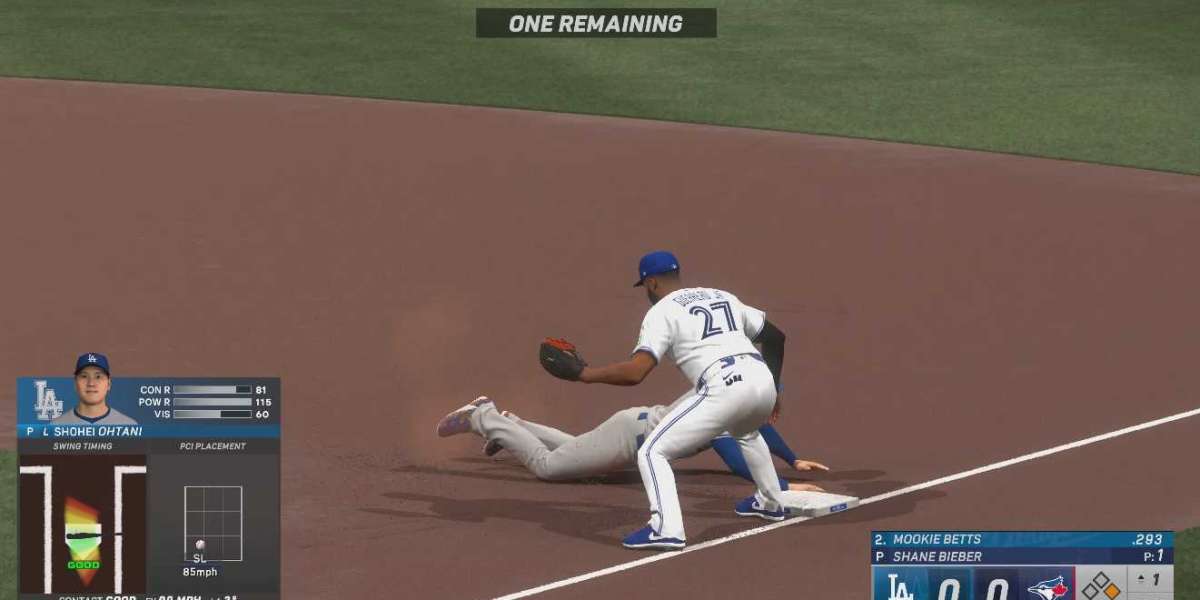

MLB The Show has long been praised for its realistic baseball experience. With the release of MLB The Show 26, many players are wondering how the game feels compared to previous editions. In this guide, I’ll explain the main aspects of the game, focusing on realism, gameplay mechanics, and how most players approach the game in practice.
How Realistic Is MLB The Show 26?
In general, MLB The Show 26 has taken realism to a new level. Pitching and batting mechanics have been adjusted to reflect actual baseball physics more closely. Most players notice that timing and pitch selection matter more than ever. For example, throwing the right pitch in the right location is usually more important than raw velocity.
Fielding has also evolved. Players often find that errors happen less randomly. Instead, mistakes are usually a result of positioning, reaction time, or how well you control the fielder. In practice, this means you can’t just rely on the AI to make plays for you; positioning and anticipation are key.
How Does Pitching Work in MLB The Show 26?
Pitching has always been central to the series, but in MLB The Show 26, mechanics feel more nuanced. Most players use a combination of meter-based and analog-stick pitching to control their pitches. Meter pitching gives consistent results if you master timing, while analog-stick pitching offers more control over movement but is harder to master.
In general, pitch selection strategy has become more important. Experienced players usually mix fastballs, off-speed pitches, and breaking balls rather than relying on one type of pitch. The game tracks your pitch tendencies, so repeating the same pattern often leads to batters adjusting successfully.
Stamina management is another key factor. Pitchers tire realistically, which affects pitch speed and control. Most players learn to monitor their pitch count and rotate pitchers more thoughtfully to avoid losing effectiveness late in games.
What About Batting?
Batting in MLB The Show 26 feels less forgiving but more realistic. In general, timing is everything. Swinging too early or too late usually results in weak contact or misses. Most players find that practice mode is essential for learning timing against different pitch types and speeds.
Situational hitting has also become more relevant. Players often notice that aiming for gaps and thinking about fielders’ positions yields better results than just swinging for the fences. In practice, most successful players use the analog-stick aiming to direct hits toward open spaces rather than trying to mash every pitch.
How Do Fielding and Base Running Feel?
Fielding in MLB The Show 26 is generally smoother but requires more attention. Most players learn quickly that positioning is key. The AI can handle routine plays well, but challenging plays often need precise timing and correct use of the analog stick or button commands.
Base running has improved in realism too. In general, aggressive base running works best if you pay attention to the pitch and fielding situation. Most players don’t rely solely on automated base running because it usually leads to mistakes, especially during double plays or close throws.
How Do Player Ratings Affect Gameplay?
Player ratings in MLB The Show 26 feel more meaningful. Speed, power, accuracy, and fielding stats all translate into in-game performance more noticeably than in previous editions. Most players usually notice differences in player performance even between ratings that are only a few points apart.
For example, a hitter with slightly higher contact ratings will get solid hits more consistently against similar pitchers. On the pitching side, small differences in control or break can change how difficult it is for batters to make solid contact. In practice, this makes team composition and lineup decisions more strategic.
How Does Online Play Compare to Offline?
Most players find online play in MLB The Show 26 to be more challenging. The AI is predictable, but human opponents are less forgiving. In general, reading other players’ tendencies becomes more important, especially in modes like Diamond Dynasty or Ranked Seasons.
Team chemistry and matchups also matter more online. Some players focus on building balanced rosters, while others rely on star power. In practice, online games often highlight the difference between raw skill and strategic thinking.
If you’re looking to quickly improve your team in online modes, it’s worth noting that MLB The Show 26 stubs available on U4N can help you experiment with new players without grinding endlessly. Most experienced players use stubs to fill gaps in their lineup strategically rather than just buying the highest-rated cards.
Are Microtransactions Worth It?
Microtransactions exist, but in general, they are not necessary for enjoying the game. Most players progress well through natural gameplay. Microtransactions mainly serve to accelerate the process of acquiring certain players or cosmetic items. Experienced players usually recommend focusing on gameplay improvement first before spending money on stubs or other items.
Tips for Playing Realistically
Practice Pitching Mechanics – Spend time in practice mode with different pitchers to understand speed, control, and pitch movement.
Use Situational Hitting – Don’t just swing for home runs. Look at field positions and pitch location.
Manage Pitcher Stamina – Check pitch counts regularly to avoid fatigue affecting performance.
Pay Attention to Positioning – Infield and outfield positioning matters for reducing errors.
Learn Base Running – Timing and awareness can prevent unnecessary outs.
Most players who focus on these aspects find that the game feels more like real baseball and less like an arcade-style simulation.
MLB The Show 26 continues the trend of realism in baseball simulation. Pitching, hitting, fielding, and player ratings all feel more authentic. Most players benefit from spending time learning timing, positioning, and strategy rather than relying on raw stats or automated controls. Online play adds another layer of challenge, emphasizing skill, reading opponents, and team management.
Whether you’re playing casually or competitively, understanding the mechanics and practicing realistic strategies will make your experience more enjoyable. For those looking to experiment with new players, MLB The Show 26 stubs available on U4N provide a practical way to adjust your roster efficiently.