

Unlocking the Secrets of Gravel Bike Frames: Discover What Sets Them Apart!
Gravel bike frames have rapidly gained traction among cycling enthusiasts, bridging the gap between road and mountain biking. Designed for versatility, these frames allow riders to explore a variety of terrains, from smooth pavement to rugged trails. As biking culture evolves, gravel bikes have emerged as a popular choice for those looking to venture beyond traditional cycling routes. This article aims to explore the unique features, benefits, and differences of gravel bicycle frames compared to other types of bike frames, providing valuable insights for both seasoned cyclists and newcomers alike.
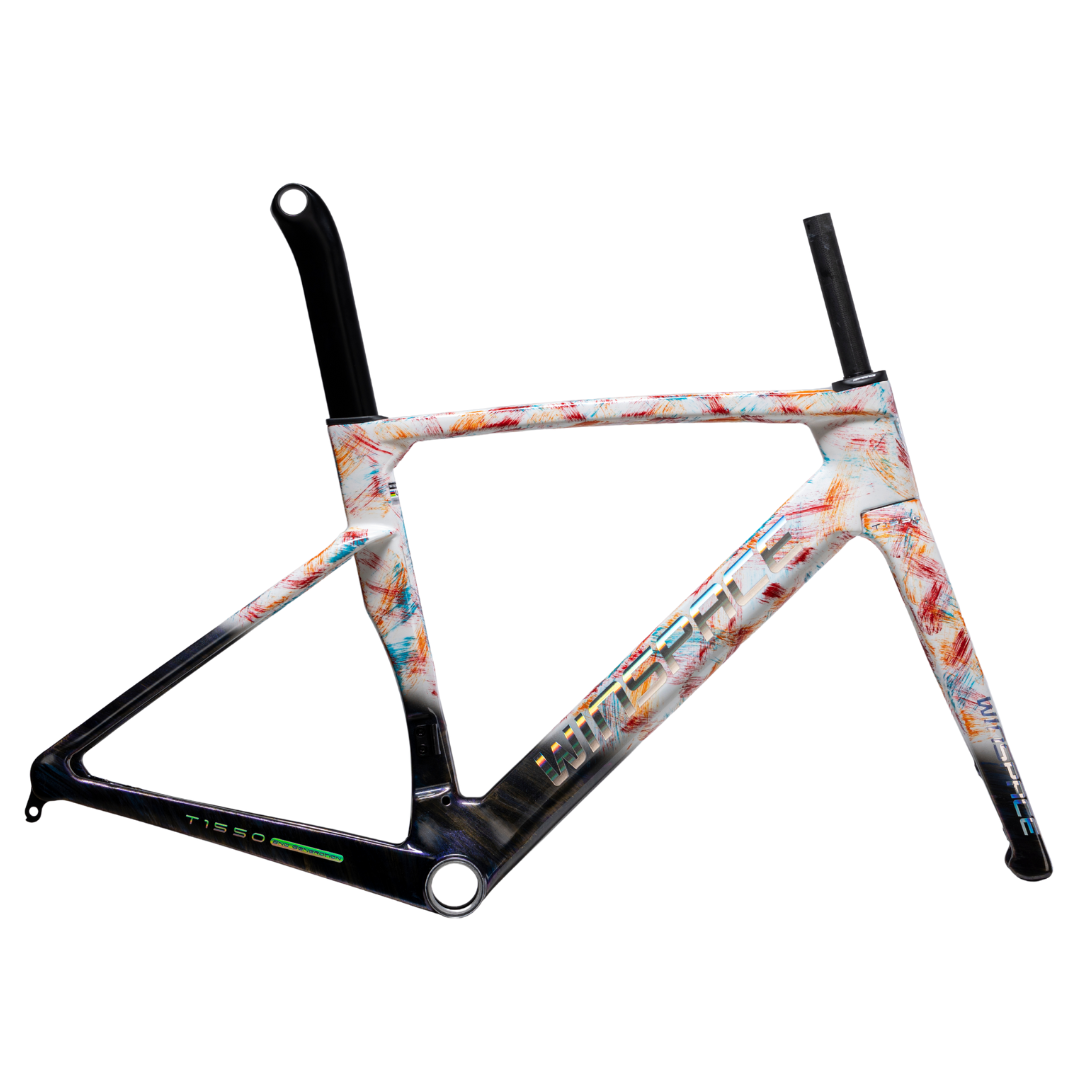
Understanding Gravel Bicycle Frames
Gravel bicycle frames are specifically engineered to handle mixed-terrain riding. Their design characteristics are a blend of road and mountain bike features, providing a comfortable yet performance-oriented ride. Unlike road bike frames, which prioritize aerodynamics and speed on smooth surfaces, gravel bike frames are built to be more robust and stable, accommodating a wider range of tire sizes and fender mounts. This allows riders to tackle gravel roads, dirt paths, and even singletrack trails with ease. Furthermore, the geometry of gravel frames is designed to offer a more relaxed riding position, enhancing comfort during long rides. Whether you're commuting through the city or embarking on an adventurous multi-day tour, gravel bike frames are designed to support diverse cycling experiences.
Key Features of Gravel Bicycle Frames
Gravel bike frames boast several distinctive features that set them apart from their road and mountain counterparts. One of the most notable characteristics is their geometry, which typically includes a longer wheelbase for increased stability, especially when loaded with gear. Additionally, gravel frames often utilize lightweight materials such as aluminum or carbon fiber, striking a balance between durability and weight. Another significant feature is tire clearance; gravel bikes are designed to accommodate wider tires, typically ranging from 35mm to 50mm, allowing for better traction and comfort on uneven surfaces. Many gravel frames also come equipped with multiple mounting options for accessories like racks, fenders, and hydration systems, catering to the needs of touring cyclists. This versatility makes gravel bike frames an ideal choice for riders seeking a bike that can adapt to various situations and terrains.
Benefits of Choosing Gravel Bike Frames
Choosing a gravel bike frame comes with a myriad of benefits, making it an excellent investment for cyclists. One of the primary advantages is versatility; gravel bikes can seamlessly transition from city streets to countryside trails, making them suitable for a wide range of riding experiences. This adaptability is particularly appealing for those who enjoy spontaneous adventures or mixed-terrain rides. Comfort is another significant benefit; the design of gravel frames is optimized for long-distance rides, with features that reduce strain on the rider's body. The ability to fit wider tires enhances comfort further by providing better shock absorption on rough surfaces. Moreover, gravel bikes often encourage exploration, as they can handle off-the-beaten-path routes that traditional road bikes may struggle with. This opens up a world of possibilities for cyclists looking to discover new trails and landscapes.
Comparing Gravel Frames to Other Bicycle Frames
When comparing gravel bike frames to road and mountain bike frames, several key differences emerge. Road bike frames are designed primarily for speed and efficiency on paved surfaces, featuring a lightweight and aerodynamic build. In contrast, mountain bike frames prioritize durability and ruggedness, allowing for aggressive riding on rough terrains. Gravel bike frames, however, strike a balance between the two, offering a stable ride that can handle diverse conditions without sacrificing performance. While road bikes excel in racing scenarios, and mountain bikes dominate technical trails, gravel bikes provide a unique middle ground, making them ideal for riders who appreciate both speed and adventure. Additionally, gravel bikes often come equipped with features that enhance their versatility, such as the ability to mount racks and fenders, further distinguishing them from traditional road and mountain bikes.
Exploring the Versatile World of Gravel Bicycle Frames
In summary, gravel bicycle frames represent an exciting evolution in the cycling world, combining features from both road and mountain bikes to create a versatile and comfortable riding experience. Understanding the unique characteristics, benefits, and differences of gravel frames is essential for potential buyers and cycling enthusiasts. Whether you're looking to explore new terrains, embark on long-distance tours, or simply enjoy a leisurely ride, gravel bike frames offer a solution that meets diverse riding needs. As you consider your next cycling investment, remember to evaluate how your riding style aligns with the features of gravel bikes, ensuring you make a choice that enhances your cycling adventures.