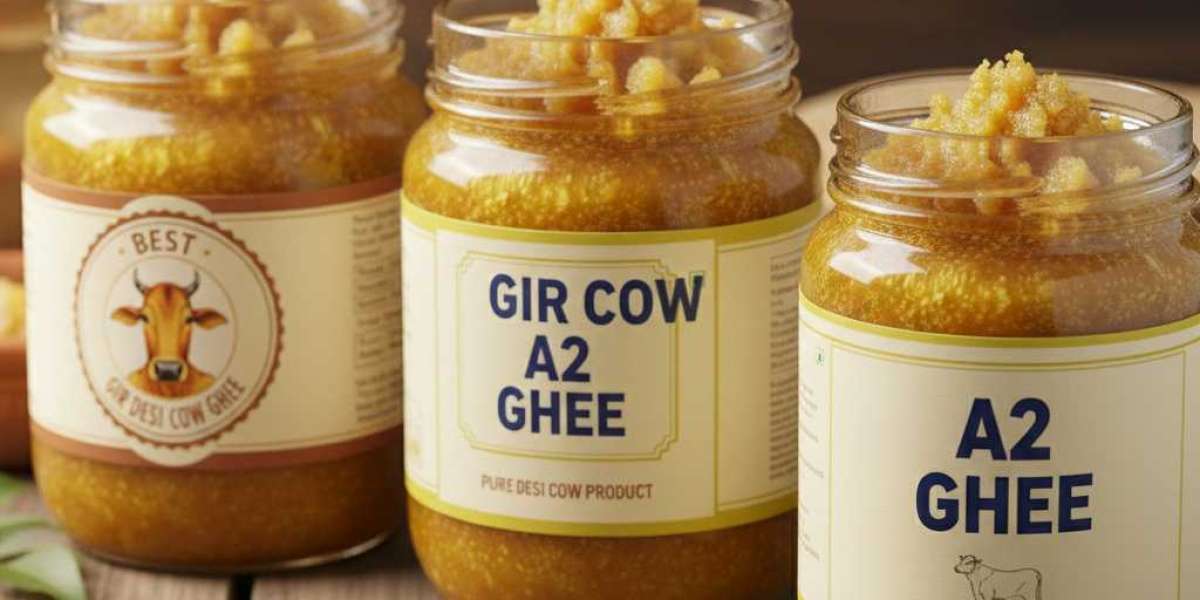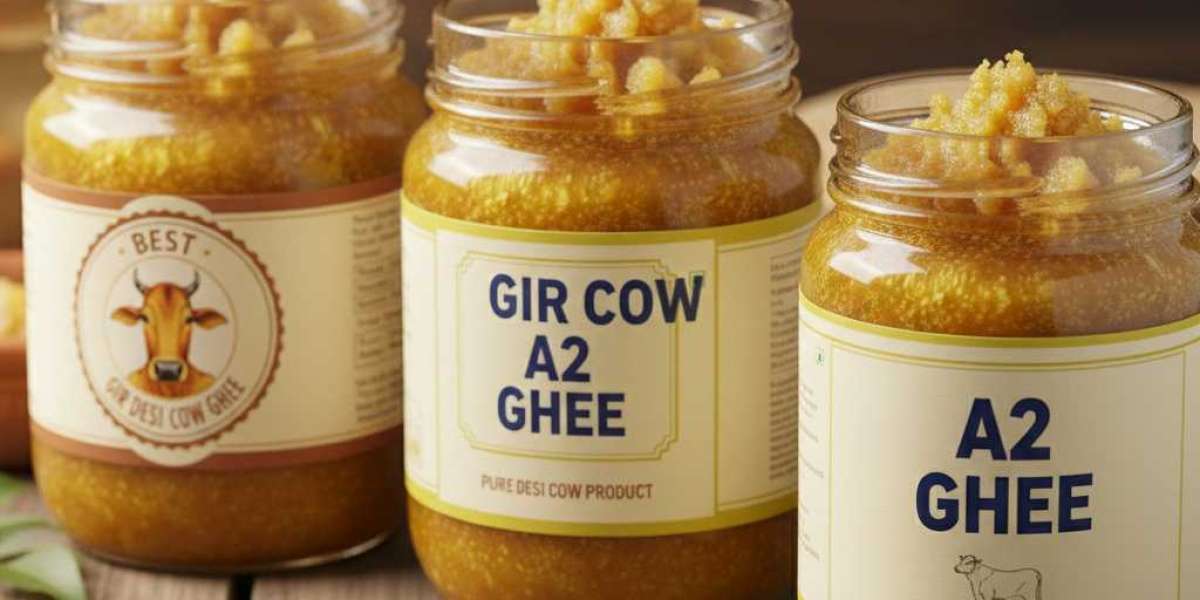

Among the various types available in the market today, one traditional variety has become widely respected for its natural purity and gentle effect on digestion. This article explores what makes this form of ghee special and how Gavyamart helps people understand its heritage, benefits, and qualities without the noise of heavy marketing or confusing labels.
What Makes Traditional Indian Ghee Special
For centuries, Indian families have relied on ghee as a core part of their meals. It supports cooking, digestion, and overall nourishment. This importance comes from the way ghee is prepared, the breed of the cow, and the environment in which the cows are raised.
Indigenous Indian cow breeds naturally produce milk that is easier to digest and richer in nutrients. This milk, when converted into ghee through traditional processes, creates a product that aligns with both Ayurveda and everyday Indian cooking styles.
Such ghee is known for its pleasant aroma, golden color, and smooth texture. More importantly, it carries natural warmth and balance, making it suitable for all age groups.
How Traditional Ghee Is Made
One of the most important aspects of pure ghee is its preparation method. Instead of relying on high-speed machinery or direct cream processing, traditional ghee follows a slow and careful approach.
Step 1: Curd Preparation
Milk is first turned into curd, allowing natural fermentation to take place. This step is essential because it improves the digestibility of the final ghee.
Step 2: Hand or Wooden Churning
The curd is churned slowly using a wooden bilona. This motion separates butter from buttermilk naturally, keeping the nutrient profile intact.
Step 3: Slow Heating
The butter is then heated on a low flame. This gradual cooking enhances flavor, preserves essential elements, and creates the naturally grainy texture found in pure ghee.
This method takes more time and effort, but the final product is richer, cleaner, and more aligned with traditional practices.
Nutritional Qualities of Pure Traditional Ghee
Traditional Indian ghee is valued for its natural balance of fat-soluble vitamins and healthy fats. Some of the most appreciated nutritional qualities include:
Supports Energy and Strength
Ghee contains medium-chain fatty acids, which are quickly absorbed by the body and used as a clean source of energy. This makes it suitable even for people with active or demanding routines.
Helpful for Digestion
Ayurveda places great importance on ghee to support gut function. A small amount with daily meals can help improve absorption and promote smoother digestion.
Rich in Vitamins
Traditional ghee contains vitamins A, E, D, and K, which play crucial roles in immunity, bone strength, vision, and overall wellness.
Nourishing for Mind and Heart
Healthy fats in ghee support brain function and help maintain natural energy balance.
These benefits make ghee more than a cooking ingredient—it's a natural wellness food.
Role of Indigenous Cow Breeds
The quality of ghee depends greatly on the breed of cow and the environment in which it lives. Indian cow breeds, known for producing naturally balanced milk, contribute significantly to the overall richness and digestibility of the final product.
Cows raised in open, natural, and stress-free surroundings produce milk with a better nutritional profile. This milk, when used for preparing ghee, results in a product that carries traditional warmth and purity.
Gavyamart emphasizes awareness about responsible dairy practices, ethical animal care, and clean processing because these factors directly affect the quality of the ghee consumed by families.
How Pure Ghee Fits Daily Indian Life
Even with changing diets and modern lifestyle patterns, pure traditional ghee remains relevant today. It blends naturally into different routines and continues to offer value across multiple areas.
Cooking
Its higher smoke point makes it ideal for sautéing, frying, tempering, and preparing traditional Indian dishes.
Daily Wellness
Many people consume a small spoon of ghee in warm milk, on roti, or on rice to support strength and digestion.
Fitness and Nutrition
Modern diets like keto, low-carb, and clean-eating plans often include ghee because it provides natural fats without additives.
Home Remedies
Ghee has been used for generations in home remedies, skincare, and even soothing dryness.
This versatility is one reason why pure ghee has remained a household essential.
What to Look for When Choosing Pure Ghee
With so many options available, choosing authentic ghee can become confusing. Here are a few simple signs to help identify purity:
Natural Aroma
Pure ghee has a gentle, pleasant aroma that feels natural rather than artificially strong.
Grainy Texture
Traditional ghee often forms small granules when cooled, a sign of slow cooking.
Single Ingredient
The label should mention only one ingredient: cow milk or ghee made from cow milk.
Transparency
Reliable brands share details about the preparation process, cow breed, and sourcing practices.
Focusing on these aspects helps consumers make clearer and more confident choices.
Gavyamart’s Approach to Traditional Ghee
Gavyamart aims to bridge the gap between traditional knowledge and modern understanding. Instead of promoting products through aggressive marketing, it focuses on education—helping families learn how to choose ghee that supports long-term wellness.
By emphasizing authentic methods, indigenous cows, and natural dairy practices, Gavyamart promotes a return to pure household nutrition. The goal is to empower people with clarity so they can bring simple, clean, and meaningful foods into their daily lives.
Using A2 Ghee in Everyday Foods
This form of ghee can be used in everyday meals just like any other traditional variety. Whether added to dal, spread on chapati, or used in sweets, it blends naturally with Indian flavors. Many people prefer using it for tempering vegetables, boosting the richness of khichdi, or preparing festive dishes that require depth of flavor.
Because of its natural digestibility, it suits children, adults, and elders alike, making it a versatile addition to any family’s diet.
Conclusion
Pure Indian ghee A2 Ghee, especially when made through traditional processes and sourced from indigenous cows, continues to hold significant value in Indian culture. Its taste, purity, and nutritional properties make it an essential part of everyday meals as well as a time-tested wellness practice.
Gavyamart focuses on helping people understand this value clearly. By learning about preparation methods, cow breeds, nutritional qualities, and signs of purity, consumers can make confident and meaningful choices for their families.
FAQs About Traditional A2 Ghee
1. Is this type of ghee suitable for daily cooking?
Yes, its high smoke point and natural digestibility make it ideal for everyday Indian cooking.
2. What makes traditional ghee different from processed ghee?
Traditional ghee is made slowly using curd, churning, and gentle heating, which preserves nutrients and natural aroma.
3. Can children consume this type of ghee?
Yes, it is generally suitable for children when used in moderation, as it supports energy and digestion.
4. How should ghee be stored at home?
Keep it in a cool, dry place with a tightly closed lid. It does not require refrigeration.
5. Why is indigenous cow milk considered better for ghee?
Milk from native cows naturally contains balanced nutrients, making the resulting ghee richer and easier to digest.