

Unlock Crystal Clear Water: Your Ultimate Guide to Installing a Reverse Osmosis System!
In today's world, ensuring access to clean and safe drinking water has become more crucial than ever. One of the most effective methods for purifying drinking water is through a reverse osmosis (RO) system. By utilizing advanced filtration technology, RO systems remove various contaminants, providing you with crystal-clear water that’s free from impurities. This comprehensive guide will walk you through the entire installation process, empowering you to set up your own reverse osmosis drinking water system with confidence. Whether you're a DIY enthusiast or a novice in home improvements, this article will equip you with the knowledge needed to enjoy the benefits of purified water right from your tap.
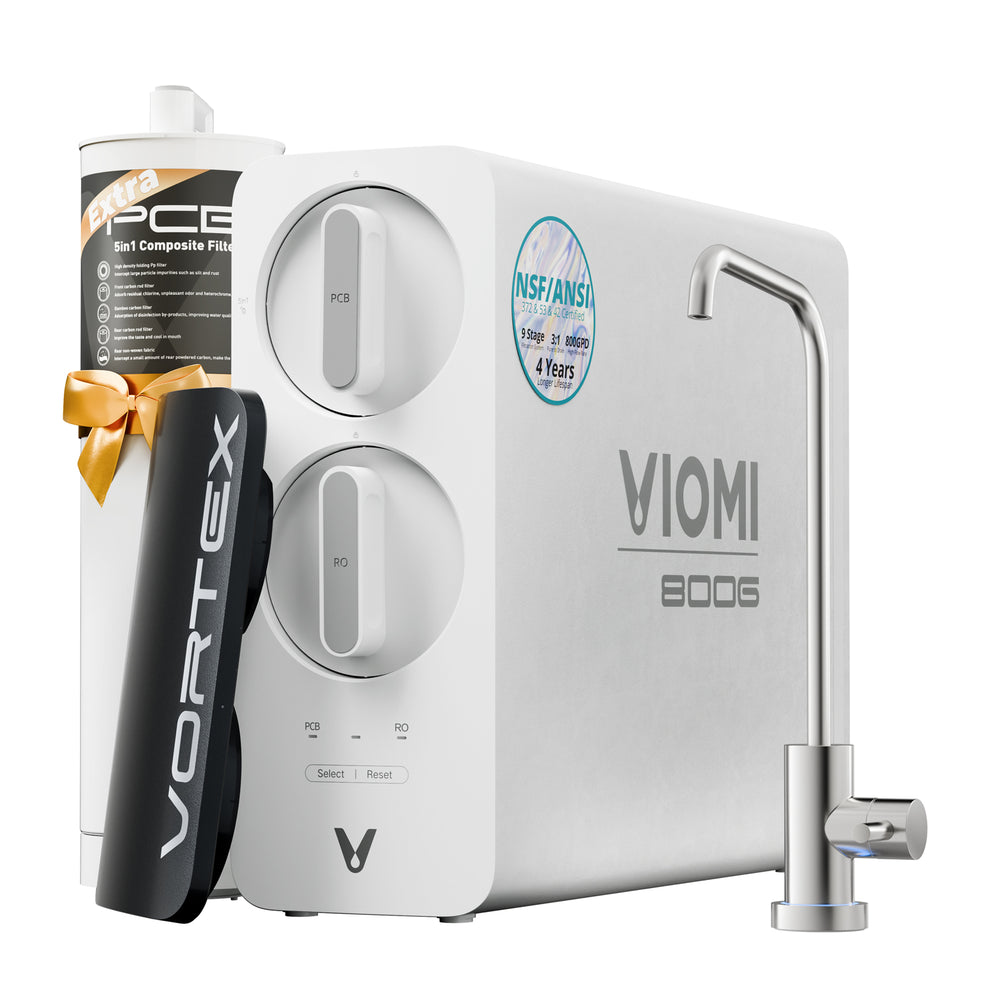
Understanding Reverse Osmosis Systems
Reverse osmosis is a water purification technology that works by forcing water through a semi-permeable membrane. This membrane acts as a barrier, allowing only water molecules to pass while blocking larger molecules, such as salts, bacteria, and other contaminants. The process is driven by water pressure, making it highly efficient for removing impurities. The advantages of using a reverse osmosis system for drinking water are numerous; it significantly improves taste, odor, and overall quality, reduces harmful substances like lead and chlorine, and is more cost-effective than purchasing bottled water. Furthermore, many households are turning to RO systems not just for health reasons, but also for environmental sustainability, reducing plastic waste from bottled water. My friend Alex recently installed one in his home, and he can't stop raving about the difference it has made in the taste of his coffee and cooking.
Preparing for Installation
Before diving into the installation process, it's essential to prepare adequately. Start by gathering the necessary tools, which typically include a wrench, screwdrivers, and a drill. You'll also want to assess your water supply to determine if any pre-treatment is needed for hard water or high sediment levels. Choosing an appropriate location for the system is vital; it should be near your sink and have access to a power source. Additionally, make sure to check that there is enough space for the storage tank, which is usually placed under the kitchen sink. Taking the time to assess these factors can save you from headaches later on and ensure a smoother installation experience.
Step-by-Step Installation Process
Now that you're prepared, let’s get into the nitty-gritty of installing your reverse osmosis system. Follow these steps carefully to ensure a successful setup:
- Turn Off the Water Supply: Locate the main water supply valve under your sink and turn it off. This prevents any water flow during the installation process.
- Install the Faucet: Most RO systems come with a dedicated faucet. Use a drill to create a hole in your sink or countertop if one isn’t already available. Attach the new faucet according to the manufacturer’s instructions, making sure it’s secure.
- Connect the Storage Tank: The storage tank is a critical component that holds purified water. Place it in the chosen location, typically under the sink. Connect the tank to the RO system using the provided tubing, ensuring a tight fit to prevent leaks.
- Connect to the Water Supply: Using the tubing, connect the RO system to the cold water supply. You may need to install a saddle valve, which allows you to tap into the existing water line without cutting it.
- Attach the Drain Line: The RO system will produce wastewater, which needs to be drained. Connect the drain line to the system and route it to the sink’s drain. Ensure that it’s secured to prevent any leaks.
- Check All Connections: Before turning the water supply back on, double-check all connections to ensure everything is tightly secured.
- Turn On Water Supply: Slowly turn the water supply back on and check for leaks. If everything looks good, turn on the faucet to allow the system to flush out any impurities and air trapped in the lines.
- Initial Filter Flush: Let the system run for about 30 minutes before using the water. This initial flush helps improve water quality and prepares the system for regular use.
During my installation, I encountered a minor issue with the drain line not fitting properly, but a quick adjustment solved it. It’s always good to have a backup plan and, if needed, consult the manual or online resources for troubleshooting.
Troubleshooting Common Issues
As with any home improvement project, challenges may arise during installation. Common issues include leaking connections, low water pressure, or unusual noises from the system. If you notice a leak, check all connections and tighten them as needed. Low water pressure may indicate a blockage in the filters or the need for pre-treatment if your water supply has high sediment levels. If the system makes unusual noises, ensure it’s mounted securely and that all components are functioning as intended. Don’t hesitate to refer to online forums or user manuals for additional guidance.
Maintenance Tips for Your Reverse Osmosis System
To keep your reverse osmosis system functioning optimally, regular maintenance is key. This includes changing filters according to the manufacturer's recommendations, typically every six months to two years depending on usage and water quality. Regularly check the system for leaks and ensure that the storage tank pressure is at the recommended level. It’s also a good idea to flush the system periodically to maintain water quality. My neighbor, who has been using an RO system for years, swears by a simple maintenance schedule he created, which has kept his system running smoothly and effectively.
Final Thoughts on Your Reverse Osmosis Installation
Installing a reverse osmosis drinking water system is an excellent way to ensure you and your family have access to clean, safe water. By following the step-by-step guide outlined above, you can confidently set up your system and enjoy the numerous benefits it offers. From improved taste to enhanced health benefits, the advantages of purified water are undeniable. Embrace the opportunity to take control of your drinking water quality and enjoy the satisfaction that comes with a successful home installation.