

Unlock the Magic of RGB Lights: Transform Your Photography Experience!
RGB lights have emerged as a game-changer in the world of photography, allowing photographers to push the boundaries of creativity and expression. The growing popularity of RGB lighting has been fueled by its ability to transform ordinary scenes into extraordinary visual experiences. Whether you're shooting a portrait, a product, or an artistic composition, the dynamic range of colors that RGB lights offer can enhance the mood and storytelling of your images. This article delves into the fascinating world of RGB lights, exploring their features, benefits, and practical applications that can elevate your photography to new heights.
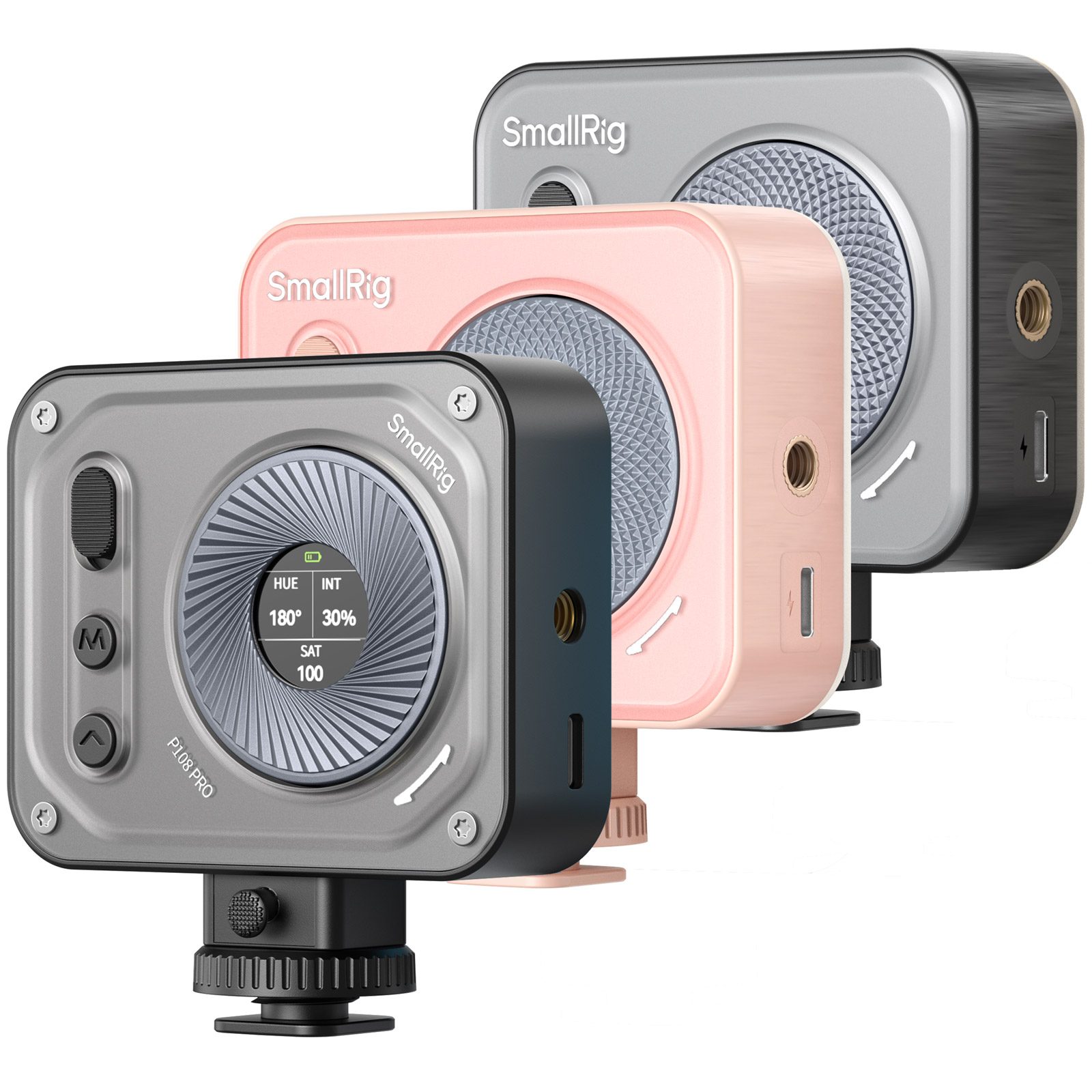
Understanding RGB Lights
RGB lights, short for Red, Green, and Blue lights, function based on the principle of color mixing. By combining these three primary colors in various intensities, RGB lighting can produce a vast spectrum of colors, creating an immersive lighting experience. The technology behind RGB lights typically involves LEDs (Light Emitting Diodes) that can be adjusted to emit different wavelengths of light. This color mixing process is not only fascinating but also essential for photographers looking to create unique and vibrant images. The ability to control each color channel allows for precise adjustments, making it easier to achieve the desired visual impact.
Features of RGB Lights
The features of RGB lights are what make them particularly advantageous for photographers. One of the standout characteristics is the ability to adjust colors dynamically. Photographers can switch between a wide array of colors at the touch of a button, allowing for endless creative possibilities. Additionally, RGB lights often come with adjustable brightness levels, enabling users to control the intensity of the lighting to suit various environments and moods. Special effects, such as color fades, strobe lighting, and customizable patterns, add another layer of creativity, making RGB lights a versatile tool in a photographer’s arsenal. These features empower photographers to experiment and develop their unique styles, offering a fresh perspective on their work.
Benefits of Using RGB Lights in Photography
Incorporating RGB lights into photography provides numerous benefits that enhance both the creative process and the final output. One of the primary advantages is the creative flexibility that RGB lights offer. Photographers can easily set the mood for their shoots, whether they want a warm, inviting atmosphere or a cool, dramatic effect. This ability to manipulate color and light contributes to storytelling, allowing for deeper emotional connections with viewers. Additionally, RGB lights can help in achieving consistent lighting across different shots, which is particularly useful in product photography where uniformity is key. The versatility of RGB lights makes them an essential component in modern photography, opening up new avenues for artistic exploration.
Practical Applications of RGB Lights
RGB lights can be effectively utilized in various photography scenarios. For portrait photography, they can add a unique flair to subjects, creating striking backgrounds or highlights that enhance facial features. In product photography, RGB lights can help create eye-catching visuals that draw attention to specific products, making them stand out in a saturated market. Creative shoots can benefit immensely from RGB lighting, as the ability to change colors on-the-fly allows photographers to convey different themes and narratives without the need for extensive setup changes. Whether it’s crafting a moody scene or adding a pop of color, the applications for RGB lights are virtually limitless, making them an invaluable asset for any photographer.
Unlocking New Opportunities with RGB Lighting
In conclusion, RGB lights have revolutionized the way photographers approach their craft, empowering them with tools that enhance creativity and storytelling. The significance of RGB lighting in modern photography cannot be overstated, as it allows for experimentation and the exploration of new artistic avenues. By embracing the versatility and features of RGB lights, photographers can unlock a world of possibilities that can transform their work and elevate their visual narratives. So why not take the plunge and experiment with RGB lighting in your next shoot? You might just discover a new favorite technique that inspires your artistic journey!