
The global demand for sustainable water management has driven the development of highly efficient industrial engineering techniques. Companies today face stringent regulatory codes regarding liquid byproduct management. To address these demands, modern separation systems are designed to eliminate trace particulates, oils, and chemical sludge before liquid byproducts exit a facility. This article explores how contemporary technologies address complex purification demands.
The Role of Clarification Systems in Modern Processing Facilities
Mechanics of Particulate Settlement
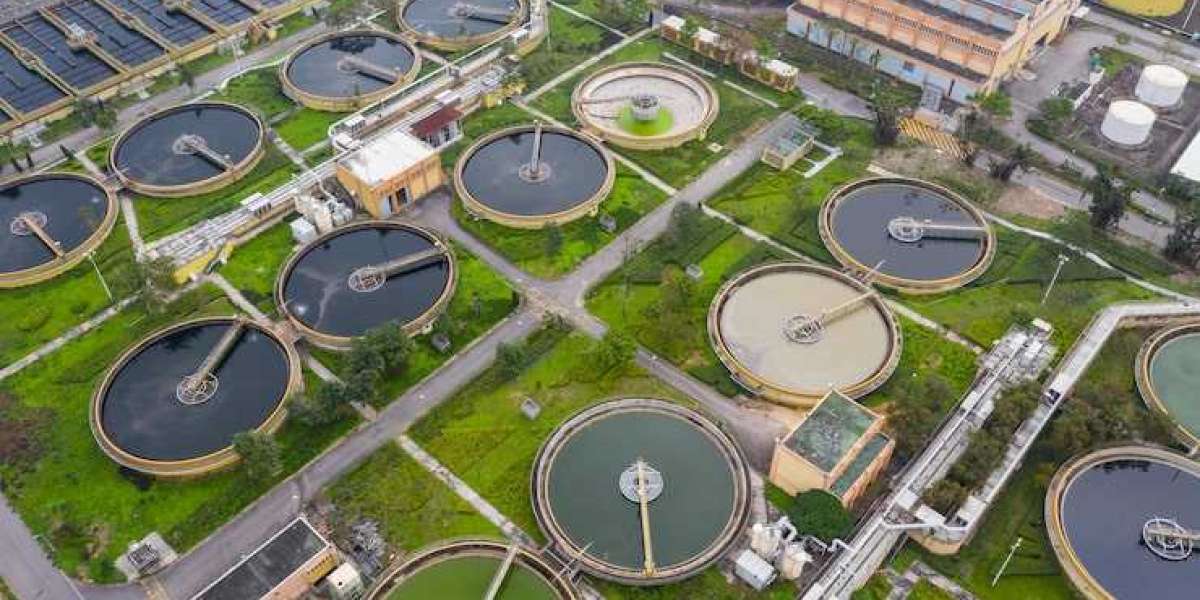
Sedimentation systems operate by utilizing gravity to separate solids from liquid streams. When chemical or physical manufacturing processes generate high volumes of fluid mixed with solid materials, allowing the fluid to stand in specialized tanks initiates a natural settling action. Particles with a density higher than water sink to the bottom, forming a heavy layer of sludge that can be scraped away mechanically.
Optimizing Surface Footprints with Inclined Designs
Standard settling basins require expansive real estate to handle high flow rates, which is often unfeasible for land-restricted manufacturing facilities. To counter this footprint challenge, engineers utilize inclined plate clarifiers. By introducing a series of closely spaced plates angled at a steep incline, the effective settling area is dramatically multiplied within a compact frame. This design ensures that fluid travels upward through the plates while heavy flocs slide downward into a dedicated collection hopper.
Integrating Flotation Methods for Light Particulate Removal
Utilizing Air Injection Principles
While heavy particles settle easily under gravity, light materials like grease, oils, and fine fibers do not separate downward. Instead, flotation technology is employed to drive these light particulates to the surface. By dissolving air into water under high pressure and then releasing that pressure inside a separation tank, millions of micro-bubbles form. These tiny bubbles attach themselves to the suspended light materials, lifting them to the surface where they form a thick, buoyant layer of sludge.
Automated Surface Cleansing Mechanisms
Once the micro-bubbles push the contaminants to the top of the chamber, an automated mechanical skimmer or scraper blade sweeps across the surface. This skimmer continuously removes the floating sludge layer, pushing it into an overflow trough for further processing or disposal. The purified water beneath this floating layer remains clear and is directed toward subsequent filtration steps or discharged safely into municipal sewer networks.
Maximizing Operational Lifespans Through Robust Design
Structural Longevity and Engineering Standards
Equipment deployed in water management environments must withstand harsh conditions, including exposure to corrosive chemical agents and abrasive solids. Manufacturing these systems requires high-grade materials like stainless steel (SUS304 or SUS316) or robust carbon steels coated with epoxy paints. Selecting the correct metallurgical specification prevents early oxidation, breakdown, and operational failure, minimizing long-term factory maintenance costs.
Pre-Treatment Filtering Essentials
To protect fine downstream clarification systems from clogging or mechanical damage, coarse filtering systems are placed at the very front of the facility layout. Mechanical bar screens and static screens catch larger debris, rags, and coarse rocks before they enter delicate pumping assemblies. Removing large obstructions early prevents pipe blockages and reduces wear on components like rotating impellers and chemical dosing pumps.
Chemical Enhancement Strategies for Separation Quality
Coagulation and Flocculation Circuits
Physical separation alone is often insufficient for ultra-fine colloidal suspensions because the particles carry similar electrical charges that cause them to repel one another. Introducing specific chemical coagulants neutralizes these surface charges, allowing the small particles to bind together. Following coagulation, polymeric flocculants are introduced to bridge these small particles into larger, heavier structural groups known as flocs, which respond much faster to settling or floating forces.
Automated Polymer Preparation Systems
Manually mixing polymers can lead to inconsistent batches and high labor costs, which undermines system reliability. Automated dosing systems eliminate this variation by controlling the precise ratio of dry or liquid polymer concentrate added to the water matrix. These multi-chamber systems slowly age the solution to maximize its bonding efficiency, then feed it continuously into the stream at a rate matched to the fluid volume.
Applications Across Global Manufacturing Sectors
Heavy Industrial and Petrochemical Frameworks
Refineries, chemical processing centers, and heavy manufacturing sites generate wastewater streams heavily loaded with free oils, emulsified hydrocarbons, and complex organic solids. Processing these streams requires durable, high-capacity equipment capable of handling high chemical volatility. Implementing efficient physical-chemical separation loops ensures that these factories remain compliant with local environmental mandates while reclaiming usable process water.
Food, Beverage, and Textile Processing
Facilities that handle food production, commercial laundering, or textile dyeing produce fluids filled with organic matter, fats, starches, and intense synthetic pigments. These byproducts cause high biochemical oxygen demand (BOD) if left unmanaged. Tailored separation equipment isolates these organic loads efficiently, allowing textile and food plants to operate cleanly without facing steep municipal surcharges.
Implementing Strategic Water Recovery loops
Modern industrial operations are shifting away from traditional single-use water models toward circular recovery systems. By linking clarification, flotation, and advanced sludge dewatering units together, plants can reclaim up to 90% of their process water. This closed-loop approach drastically lowers fresh water consumption costs, insulates factories against local water scarcity, and establishes a highly sustainable manufacturing footprint.
Investing in high-performance liquid separation infrastructure is no longer an optional compliance expense; it is a core operational strategy. Utilizing specialized physical, mechanical, and chemical treatment methods allows factories to protect downstream equipment, minimize waste volume, and conserve vital natural resources.
Sustainable fluid management requires advanced, industrial-grade engineering solutions. Factories globally utilize robust wastewater treatment systems to separate hazardous particulates from liquid streams, ensuring that discharge water meets municipal codes and environmental standards.