
Lifeguards play a critical role in maintaining safety at swimming pools, beaches, water parks, and aquatic facilities. Their ability to respond quickly during emergencies can save lives and prevent serious injuries. However, lifeguarding skills must remain sharp and up to date, which is why lifeguard recertification is so important.
A lifeguard recertification course refreshes essential rescue skills, CPR techniques, first aid procedures, and emergency response knowledge. Since safety standards and rescue protocols continue to evolve, recertification ensures lifeguards remain prepared to handle real-world emergencies with confidence and professionalism.
Whether you are an experienced lifeguard returning for another season or an aquatic professional maintaining your credentials, this guide explains everything you need to know about lifeguard recertification, including requirements, training content, benefits, and career advantages.
What Is Lifeguard Recertification?
Lifeguard recertification is a renewal training program designed for currently certified or recently expired lifeguards. The course reviews and updates the lifesaving skills necessary to continue working as a professional lifeguard.
Most lifeguard certifications expire every one to two years depending on the certifying organization. Recertification allows lifeguards to maintain active credentials without repeating a full entry-level course.
A typical lifeguard recertification course includes:
- Water rescue skill reviews
- CPR and AED renewal
- First aid updates
- Spinal injury management practice
- Emergency response training
- Surveillance and prevention techniques
After successfully completing the course, participants receive renewed certification that allows them to continue working legally and safely in aquatic environments.
Why Lifeguard Recertification Is Important
Lifeguarding requires quick thinking, strong physical ability, and accurate emergency response skills. Without regular practice and updated training, even experienced lifeguards may lose confidence or forget critical procedures.
Recertification is important because it helps lifeguards:
- Maintain lifesaving skills
- Stay updated on current safety protocols
- Improve emergency response efficiency
- Strengthen rescue confidence
- Meet employer requirements
- Continue professional development
Aquatic emergencies can happen without warning. Recertification ensures lifeguards remain prepared to protect swimmers effectively.
How Often Do Lifeguards Need Recertification?
Most lifeguard certifications remain valid for one to two years. The exact expiration period depends on the certifying organization and employer requirements.
Common certification timelines include:
- American Red Cross: Typically 2 years
- YMCA Lifeguard Certification: Usually 2 years
- StarGuard ELITE: Often 1 year
- Ellis Associates: Usually annual renewal
Lifeguards should monitor their certification expiration date carefully. Many employers require active certification before allowing lifeguards to work.
Who Needs Lifeguard Recertification?
Anyone currently working as a lifeguard or planning to return to aquatic employment typically needs recertification.
Recertification is ideal for:
- Seasonal lifeguards returning for summer jobs
- Pool lifeguards
- Beach lifeguards
- Water park staff
- Aquatic supervisors
- Swim instructors with lifeguard responsibilities
Some programs allow a short grace period after expiration, while others require lifeguards to retake the full certification course if credentials expire for too long.
Prerequisites for Lifeguard Recertification
Before enrolling in a lifeguard recertification course, participants usually must meet certain requirements.
Current or Recently Expired Certification
Most programs require proof of current certification or recently expired credentials from a recognized organization.
Swimming Skills Assessment
Participants may need to complete swim evaluations similar to those required in original certification courses.
Common swim requirements include:
- Swimming a continuous distance without stopping
- Treading water
- Retrieving a weighted object from deep water
- Demonstrating endurance and rescue readiness
Physical Fitness
Lifeguards should maintain good physical condition to safely perform rescues and emergency procedures.
Skills Reviewed During Lifeguard Recertification
Recertification courses focus on refreshing critical lifesaving skills and updating participants on current safety standards.
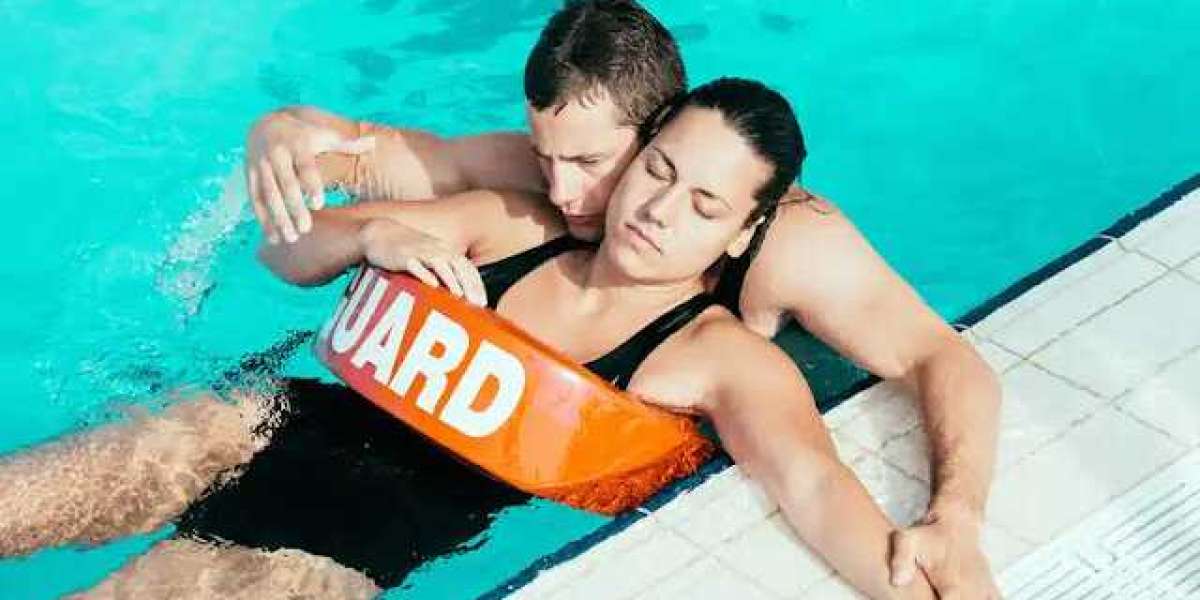
Water Rescue Techniques
Water rescue training remains one of the most important parts of recertification.
Lifeguards review how to rescue:
- Active drowning victims
- Passive victims
- Distressed swimmers
- Multiple victims during emergencies
Training reinforces proper rescue approaches, victim carries, and safe extraction methods.
CPR, AED, and First Aid Renewal
CPR and first aid guidelines may change over time, making regular review essential.
CPR Refresher Training
Participants practice CPR procedures for:
- Adults
- Children
- Infants
Training often includes updated compression techniques and rescue breathing procedures.
AED Skills Review
Lifeguards review how to use Automated External Defibrillators (AEDs) safely during cardiac emergencies.
First Aid Updates
Recertification also reviews treatment for common injuries such as:
- Cuts and wounds
- Heat exhaustion
- Allergic reactions
- Dehydration
- Shock
- Head injuries
These skills help lifeguards provide immediate care until medical professionals arrive.
Spinal Injury Management Review
Aquatic spinal injuries require precise handling to prevent further harm.
Recertification training reviews:
- In-water stabilization techniques
- Backboarding procedures
- Team rescue coordination
- Safe victim removal methods
Regular practice helps lifeguards maintain confidence and accuracy during spinal emergencies.
Preventative Lifeguarding Skills
Modern aquatic safety focuses heavily on prevention rather than reaction.
Recertification courses reinforce preventative lifeguarding techniques such as:
- Continuous surveillance
- Identifying unsafe behavior
- Enforcing facility safety rules
- Reducing environmental hazards
- Monitoring swimmer activity
Effective prevention reduces the likelihood of emergencies occurring.
Communication and Teamwork Practice
Strong communication is essential during aquatic emergencies. Recertification courses often include team-based rescue scenarios to improve coordination and response speed.
Participants practice:
- Emergency communication
- Rescue coordination
- Incident reporting
- Team response drills
- Professional guest interaction
Good teamwork improves rescue outcomes and facility safety.
What to Expect During a Lifeguard Recertification Course
Many lifeguards wonder how recertification differs from initial training.
Shorter Course Length
Recertification courses are usually shorter than full certification programs because participants already have previous training experience.
Most recertification courses last:
- One to two days
- 8 to 15 total training hours
- Weekend intensive formats
Skill-Focused Training
Rather than teaching skills from the beginning, recertification focuses on reviewing and refining existing abilities.
Written and Practical Assessments
Participants typically complete written exams and practical skill tests to demonstrate competency before certification renewal is awarded.
Benefits of Lifeguard Recertification
Maintaining active certification offers several important advantages.
Continued Employment Eligibility
Most aquatic employers require active lifeguard certification before allowing staff to work.
Improved Emergency Readiness
Regular training keeps rescue skills sharp and improves response speed during emergencies.
Updated Safety Knowledge
Recertification ensures lifeguards stay informed about current industry standards and rescue protocols.
Increased Professional Confidence
Practicing rescue scenarios helps lifeguards feel more prepared and confident on duty.
Career Advancement Opportunities
Maintaining certification demonstrates professionalism and commitment to aquatic safety.
Choosing the Best Lifeguard Recertification Program
Not all recertification courses are the same. Choosing a quality program is important for maintaining strong rescue skills.
When selecting a course, consider:
- Certification recognition
- Employer acceptance
- Experienced instructors
- Hands-on rescue practice
- CPR and first aid inclusion
- Flexible scheduling options
- Modern training equipment
Look for programs that follow current safety guidelines and provide realistic emergency training.
Common Mistakes to Avoid During Recertification
Some lifeguards underestimate the importance of recertification preparation.
Avoid these common mistakes:
- Waiting until certification expires
- Neglecting swimming fitness
- Forgetting CPR updates
- Skipping practice sessions
- Choosing low-quality training providers
Preparing in advance helps ensure a smooth recertification experience.
Advanced Training Opportunities After Recertification
Many experienced lifeguards continue building their aquatic careers through advanced certifications.
Additional training options include:
- Waterfront lifeguarding
- Waterpark lifeguarding
- Lifeguard instructor certification
- Aquatic management training
- Emergency medical responder courses
Advanced certifications can lead to leadership roles and higher earning potential.
Career Opportunities for Certified Lifeguards
Maintaining active certification helps lifeguards continue working in a variety of aquatic environments.
Employment opportunities include:
- Public swimming pools
- Beaches
- Water parks
- Hotels and resorts
- Summer camps
- Recreation centers
- Aquatic fitness facilities
Experienced lifeguards may also advance into supervisory or instructor positions.
Conclusion
Lifeguard recertification is an essential part of maintaining professional aquatic safety skills. Regular renewal training helps lifeguards stay physically prepared, mentally confident, and updated on the latest rescue procedures and safety standards.
From water rescue techniques and CPR renewal to spinal injury management and preventative lifeguarding, recertification courses reinforce the critical skills needed to respond effectively during emergencies. Maintaining active certification not only protects swimmers but also supports career growth and professional credibility.
Whether you are returning for another summer season or continuing a long-term career in aquatics, completing a professional lifeguard recertification course is a smart investment in your future. Staying certified ensures you remain ready to protect lives and create safer aquatic environments wherever you work.