
If you’re tracking your puppy’s progress, a Cavapoo growth chart helps you understand size expectations as your dog matures. Cavapoos — a popular designer breed from Cavalier King Charles Spaniel and Poodle parents — have unique growth patterns that reflect both genetics and environment. Knowing how your Cavapoo develops over time keeps you alert to healthy changes and helps you respond early if growth seems delayed or excessive.
Growth in any dog depends on genetics, nutrition, activity level, and overall health. For Cavapoos, these factors combine to create a range of normal milestones rather than one exact measurement at each age.
What Determines a Cavapoo’s Growth
Cavapoos can vary widely in adult size because their parents are different breeds. A standard Poodle mix might grow larger than a Cavapoo with a Miniature Poodle parent. Typically, most Cavapoos fall into the small to medium category, but genetics still play a central role in how tall and heavy your puppy will become.
Nutrition and early development matter a lot too. Puppies with balanced diets tend to follow expected growth patterns more reliably than those with inconsistent feeding or poor food quality. Always choose puppy‑formulated food and follow your vet’s recommendations to support proper bone and muscle growth.
Growth Expectations by Age
0–8 Weeks: Newborn to Weaning
During the first weeks of life, puppies gain weight rapidly. A newborn Cavapoo may weigh just a few ounces at birth, and by eight weeks — when most puppies go to new homes — they often weigh several pounds. This early surge reflects development of major organs, muscle, and basic mobility skills.
8–16 Weeks: Rapid Puppy Growth
Between 8 and 16 weeks, many Cavapoos grow noticeably in both height and weight. It’s common to see weekly gains, and you may notice your puppy’s legs lengthen and coat thicken. Growth should be steady but not explosive; overly rapid weight gain can strain developing joints.
4–6 Months: Maturing Puppy Stage
From four to six months old, your Cavapoo’s growth rate begins to slow compared to the earlier weeks. During this period, muscle tone improves, coordination becomes more refined, and the puppy begins taking on more adult behaviors. You’ll still see steady increases in size, but not as dramatic as in early puppyhood.
6–12 Months: Nearing Adult Size
By about six months, many Cavapoos have reached 60–70% of their adult weight. Growth slows further, and by 10–12 months most dogs approach their near‑adult size. Females sometimes finish development a bit earlier than males, which can continue filling out slightly longer.
12–18 Months: Full Maturity
Most Cavapoos reach adult size by 12–18 months. Some may continue developing muscle tone or filling out for a bit longer, but major skeletal growth is typically complete by this age. For toy or miniature varieties, full growth may happen closer to 12 months, while larger individuals may take up to 18 months.
Because individual growth can vary, the concept of a growth chart — showing expected weight ranges at each phase — helps you track normal development without expecting exact numbers.
Typical Size Ranges for Cavapoos
While every puppy is unique, these general size ranges offer a guideline based on average development:
Medium Cavapoos may reach 14–18 inches in height and 18–25 pounds in weight.
Smaller Cavapoos — especially those with Miniature Poodle lineage — might reach 10–14 inches and 10–18 pounds.
Because sizes overlap and depend on parental genetics, don’t be alarmed if your puppy falls above or below mid‑range numbers, as long as growth is steady.
Red Flags in Growth and Development
Steady growth is a sign of good health. However, certain patterns can indicate concerns:
Very rapid weight gain with little height increase may point to overfeeding or excessive calories. Excess fat places strain on joints and can contribute to future mobility issues.
Conversely, poor weight gain, lethargy, or failure to thrive might signal underlying health or digestive issues. If your Cavapoo isn’t gaining weight along expected lines on a growth chart, schedule a veterinary checkup.
Changes in behavior, appetite, or activity level can accompany developmental issues. Early veterinary attention helps address nutritional, metabolic, or genetic conditions before they become serious.
Feeding and Nutrition for Balanced Growth
Proper nutrition directly affects your Cavapoo’s growth trajectory. High‑quality puppy diets supply balanced protein, healthy fats, and essential nutrients that support skeletal and muscle development.
Feeding guidelines are often based on age and expected adult size. Follow manufacturer and vet recommendations for daily portions, and adjust based on your puppy’s body condition. Avoid overfeeding; “free feeding” or giving too many treats can lead to unhealthy weight gain.
Regular weight checks and growth tracking allow you to adjust feeding and exercise plans to support healthy development rather than reactive corrections later.
Exercise and Bone Development
Controlled exercise supports healthy joints and muscle strength but should be age‑appropriate. Very vigorous activity — like long runs or high‑impact jumping — can stress developing bones and joints in puppies. Short play sessions and gentle walks help build coordination without overloading joints.
Puppies with access to secure, safe play spaces often develop better motor skills and muscle balance. However, always monitor play, especially with larger dogs, to prevent over‑exertion.
Monitoring Growth With a Chart
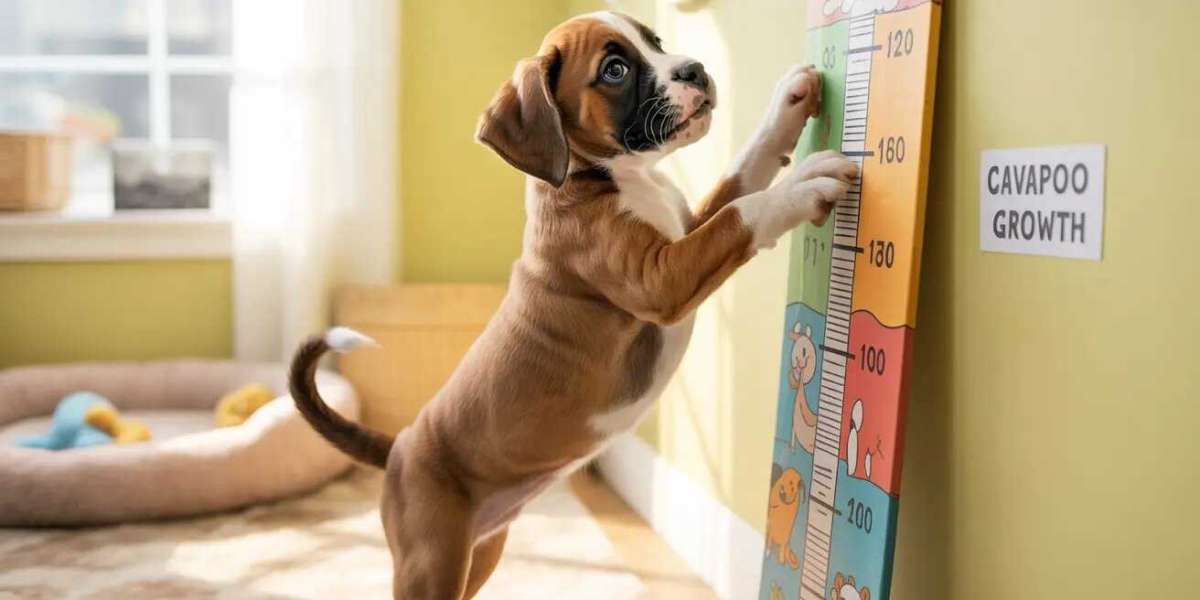
A Cavapoo growth chart isn’t a rulebook but a reference. When you plot your puppy’s weight and height over time, deviations from expected curves indicate whether growth is steady. Your veterinarian may help you create a personalized chart based on your puppy’s genetics and health background.
Keep records from each checkup, including weight, height, body condition score, and any behavioral notes. These data help your vet identify patterns and recommend adjustments if needed.
Final Thoughts
Tracking your Cavapoo’s size and development with a growth chart gives you confidence in your puppy’s health journey. Most Cavapoos develop steadily from tiny newborns into well‑proportioned adults by 12–18 months, but individual variation is normal.
Watching growth patterns, offering balanced nutrition, and encouraging age‑appropriate activity ensures your puppy thrives. When you keep an eye on each stage of development, you not only stay ahead of potential issues but also enjoy those milestone moments with your loyal companion.
Guidance from trusted resources, such as Pets Care, underscores that consistent observation and preventive care help your Cavapoo grow healthily and happily.
Frequently Asked Questions (FAQs)
Q: How big will my Cavapoo get?
Most Cavapoos grow into a small to medium size, typically between 10–25 pounds and 10–18 inches tall, depending on parental genes.
Q: When should I be concerned about my puppy’s growth?
If your puppy suddenly stops gaining weight, has very poor coordination, or shows behavioral or appetite changes, contact your veterinarian.
Q: Should I use a growth chart for my Cavapoo?
Yes — growth charts help you track normal development and identify trends that may require attention.
Q: Can diet affect growth patterns?
Absolutely. Balanced puppy food supports healthy bone and muscle development, while poor nutrition can stunt growth or cause weight issues.
Q: Do male and female Cavapoos grow differently?
Somewhat. Males may grow slightly larger or longer than females, and females often mature quicker, but overall differences are modest.