

Unlocking Secrets: Master the Art of Changing Your Luggage Lock Code!
Traveling can be a thrilling adventure, but it also comes with its own set of challenges, especially when it comes to securing your belongings. One of the most essential tools for any traveler is a reliable luggage lock. Knowing how to change the code on your luggage lock is not just a matter of convenience; it's a crucial step in enhancing your travel security. Customizing your lock code allows you to choose a combination that is easy for you to remember while being difficult for others to guess. In this article, we will explore the steps and methods for changing your luggage lock code, ensuring that you can travel with peace of mind.
Understanding Luggage Locks
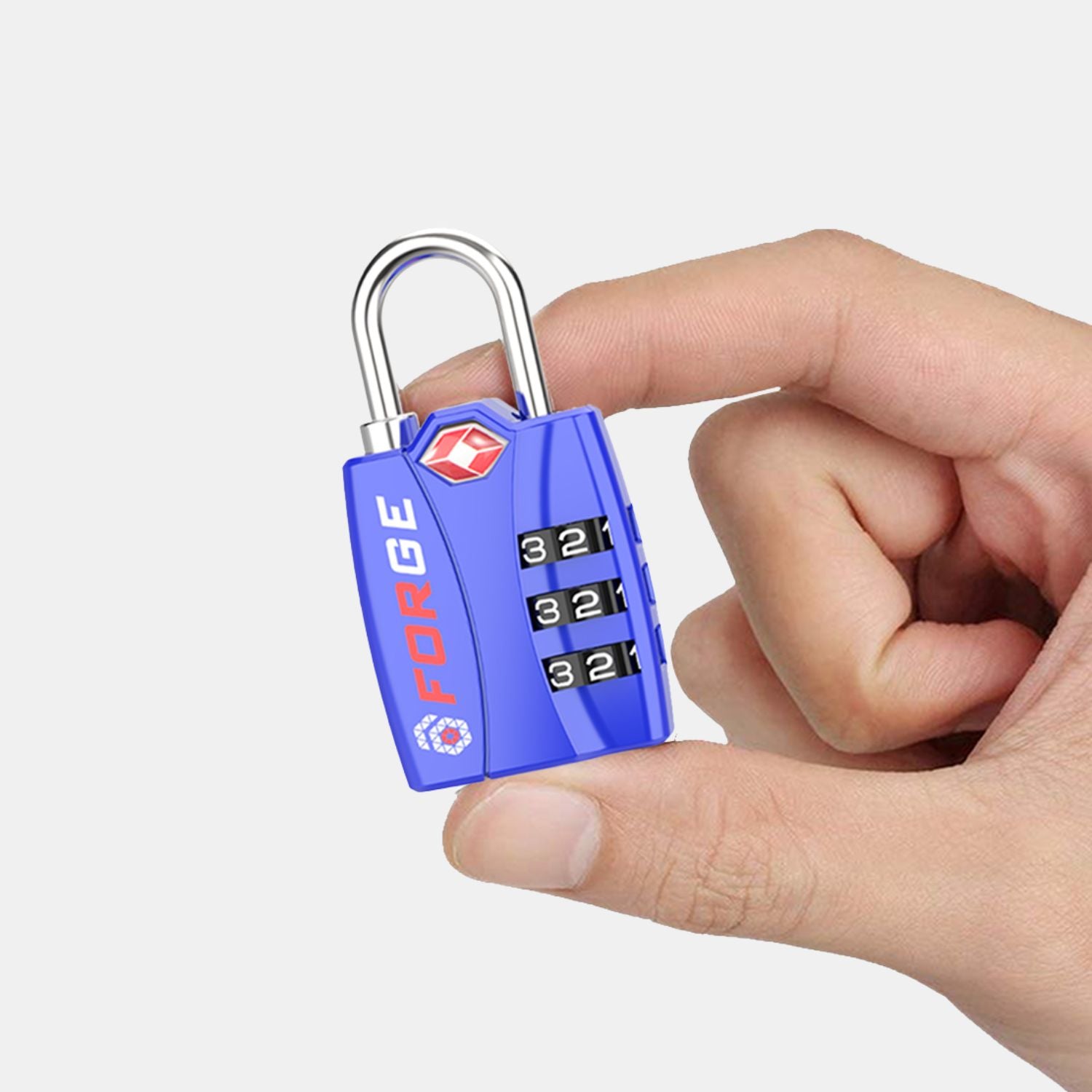
Luggage locks come in various types, primarily categorized into combination locks and key locks. Combination locks offer the convenience of not needing a physical key, which can be lost or forgotten, while key locks provide a more traditional approach to securing your luggage. Most combination locks are equipped with three to four rotating dials, each representing a digit in your unique code. Understanding these lock types and their features is vital for travelers, as it empowers them to manage their luggage security proactively. Additionally, knowing how to change the code on these locks means you can swiftly update your security measures if you suspect your code has been compromised or simply want to refresh it after several trips.
Step-by-Step Guide to Changing Your Luggage Lock Code
Changing the code on your combination luggage lock can seem daunting at first, but with a few simple steps, you can do it easily. The process generally involves preparation, resetting the code, and testing the new code to ensure it's functional. Before diving into the specifics, it is important to gather a few essential items: a pen and paper to jot down your new code, and, if needed, a small tool like a pin or a screwdriver to assist with the mechanism. Ensure that your luggage lock is in the unlocked position, as most locks require this to initiate the code change.
Preparation Steps
Before you can change your luggage lock code, you need to prepare. First, identify the type of lock you are working with. If it's a combination lock, make sure it's unlocked. If you have lost the combination, refer to the lock's manual or contact the manufacturer for assistance. Once you have confirmed the lock is in the unlocked position, write down any existing codes if you remember them, as they might be helpful if you need to revert to them later. This step ensures you don't accidentally lock yourself out of your luggage.
Resetting the Code
To reset the code on your combination lock, locate the reset button or lever on the lock. This may vary based on the design, so consult your lock's manual if needed. Once you have found the reset mechanism, engage it according to the instructions—this may involve holding it down or sliding it to a specific position. Then, set your new desired combination by turning the dials to your chosen numbers. It is advisable to select a code that is memorable yet not easily guessed by others. After entering the new combination, make sure to disengage the reset mechanism, if applicable.
Testing the New Code
After you have set the new code, it’s crucial to test it before closing your luggage. Lock the luggage again using the new combination and attempt to unlock it. If it opens without issues, congratulations! You've successfully changed your code. However, if it doesn’t work, repeat the resetting process, ensuring that you follow the steps accurately. Testing is vital because the last thing you want is to find yourself stuck with a locked suitcase at the airport.
Troubleshooting Common Issues
Even with careful preparation, travelers may encounter issues while changing their luggage lock codes. One common problem is forgetting the new code immediately after setting it. To avoid this, always write it down in a secure place. Another issue could be a malfunctioning lock mechanism, which might require a gentle jiggle of the dials or a thorough cleaning to ensure smooth operation. If the lock remains stubborn, consider consulting a professional locksmith or the manufacturer's support for guidance. Remember that patience is key; sometimes, these locks need a little extra attention to work correctly.
Tips for Keeping Your Luggage Secure
To further enhance your luggage security, consider these useful tips. First, choose a strong and unique code that is not easily associated with personal information, such as birthdates or simple sequences. Regularly updating your code, especially before significant trips, can also provide an added layer of security. Moreover, consider using a mix of letters and numbers or even a memorable phrase converted into numbers for your combination. Lastly, invest in high-quality locks that have sturdy mechanisms to deter tampering—this can make a significant difference in the protection of your belongings.
Ensuring Your Luggage Security
In conclusion, knowing how to change the code on your luggage lock is an essential skill for any traveler. It not only enhances the security of your belongings but also gives you peace of mind as you journey through various destinations. By following the steps outlined in this article, from understanding your luggage lock to troubleshooting common issues, you can ensure that your travels remain secure and stress-free. Remember to implement the additional tips for maintaining your luggage security, and make your next travel experience a safe and enjoyable one.