
If you are considering a hair transplant in Dubai, you are looking at one of the most reliable and scientifically advanced ways to address hair thinning. By utilizing your own naturally resistant hair, this clinical procedure provides a permanent solution that restores both your density and your confidence. This guide outlines how these surgical techniques work and what you can expect during your journey toward lasting results.
The Science of Hair Restoration
A hair transplant works on the principle of "donor dominance." Healthy hair follicles are harvested from the back or sides of the scalp—areas that are genetically programmed to resist the hormones causing pattern baldness. Once these follicles are relocated to the thinning areas, they retain their natural resilience, meaning they continue to grow for the rest of your life. Because the hair is your own, it matches your existing texture, color, and growth cycle perfectly, ensuring results that look and feel entirely natural.
Modern Techniques: FUE vs. DHI
The choice of technique often depends on your specific goals, the size of the area being treated, and your scalp characteristics.
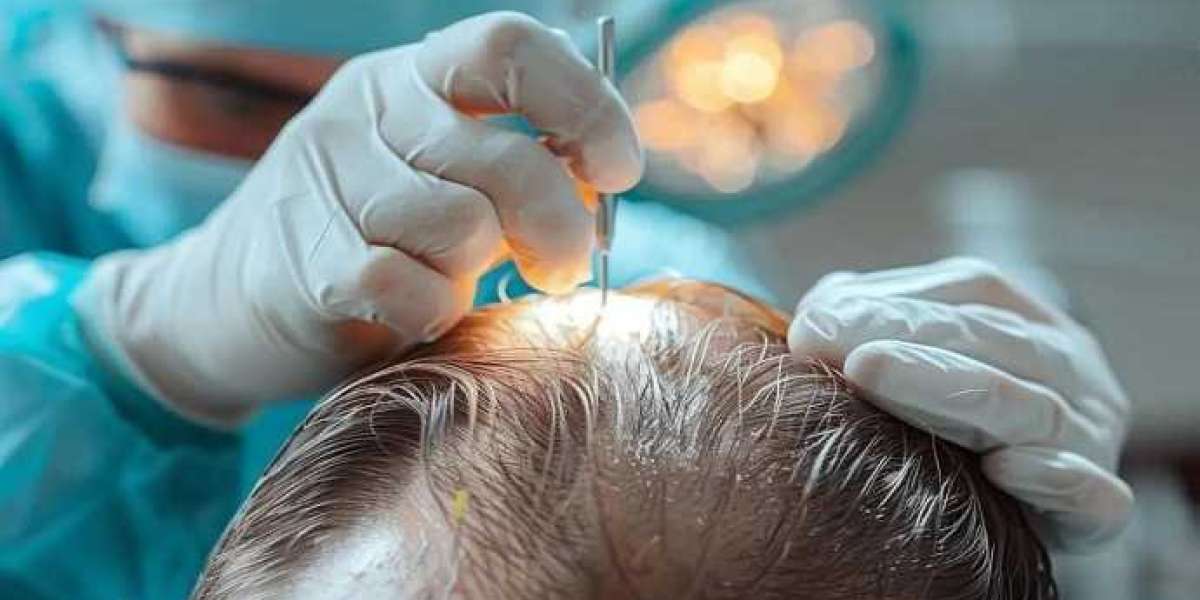
Follicular Unit Extraction (FUE): This is a highly versatile method where individual follicles are harvested one by one using a precision micro-punch. Once harvested, the surgeon creates small channels in the recipient area and places the grafts. FUE is widely favored for its ability to cover larger areas of thinning in a single session and its minimal impact on the donor area.
Direct Hair Implantation (DHI): DHI is a refined version of FUE that uses a specialized, pen-like device (often called a Choi Pen). This tool allows the surgeon to harvest and implant the follicle in a single motion without the need for pre-made incisions in the recipient area. This precision provides exceptional control over the angle and depth of growth, making it an ideal choice for hairline reconstruction and density refinement.
What to Expect During Recovery
While modern hair transplants are minimally invasive, they do require a period of healing. Understanding the timeline helps you plan effectively:
Days 1–7 (Acute Healing): You may experience mild swelling and redness. It is critical to keep the scalp clean and follow your surgeon’s specific washing protocols. Tiny scabs will form around the grafts; these are a normal part of the process and will naturally shed within the first week or two.
Weeks 2–8 (The Shedding Phase): Often called "shock loss," it is common for the transplanted hair shafts to shed during this time. This is a temporary, expected part of the growth cycle and does not mean the procedure has failed—the follicles beneath the surface remain intact and are preparing to sprout new hair.
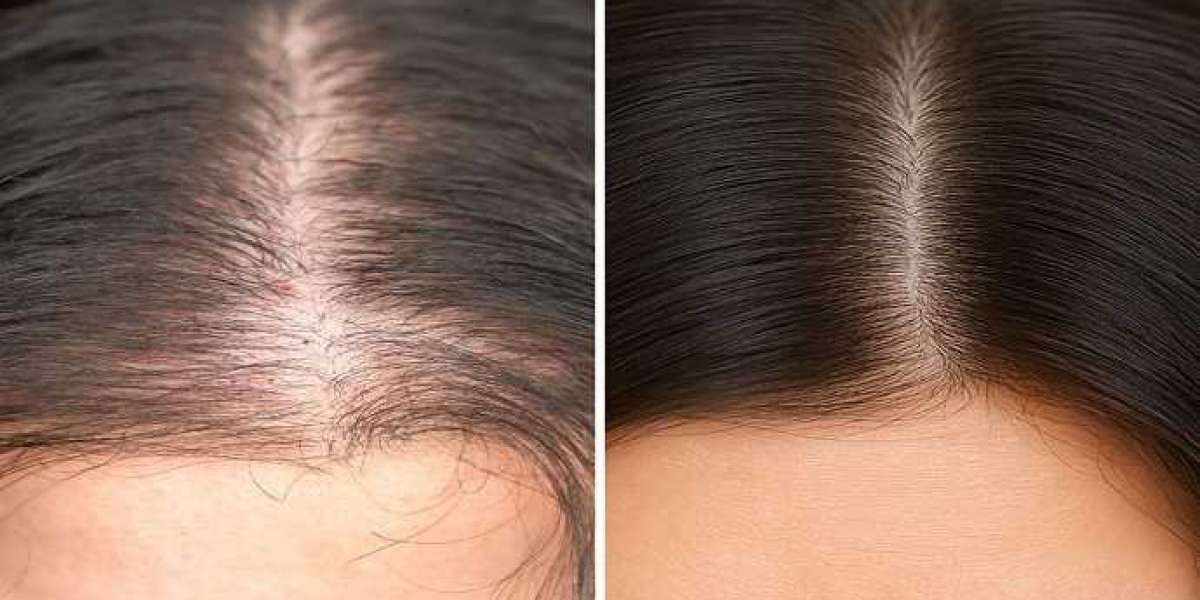
Months 3–6 (Growth Phase): New, fine hairs begin to emerge. You will notice a gradual increase in density as the hair thickens and gains volume.
Months 9–18 (Full Maturation): By this stage, you will see the full, final results of your transplant. The hair will be fully matured, allowing you to style, cut, and treat it just like the rest of your hair.
Why Choose a Clinical Approach in Dubai
Dubai has become a premier destination for hair restoration due to its focus on high-tech clinical standards and patient care. A professional approach at Tajmeels Clinic ensures that every aspect of your procedure—from hairline design to graft placement—is managed by experienced specialists. This clinical oversight is essential for achieving a result that complements your unique facial features and stands the test of time.
Long-Term Maintenance
One of the greatest benefits of a hair transplant is that it requires very little maintenance. Once your new hair has grown in, it behaves exactly like your natural hair. You can wash, style, and groom it as usual. Many patients choose to continue a healthy lifestyle and, if advised by their specialist, may use maintenance therapies to ensure the longevity of their existing hair density.
Conclusion
Deciding to restore your hair is a significant step toward improving your self-image and long-term well-being. By choosing a clinically backed, permanent solution, you are making an investment that pays dividends for years to come. If you are ready to learn how a personalized restoration plan can work for you, we invite you to schedule a consultation with our team at Tajmeels Clinic to start your journey toward renewed confidence.