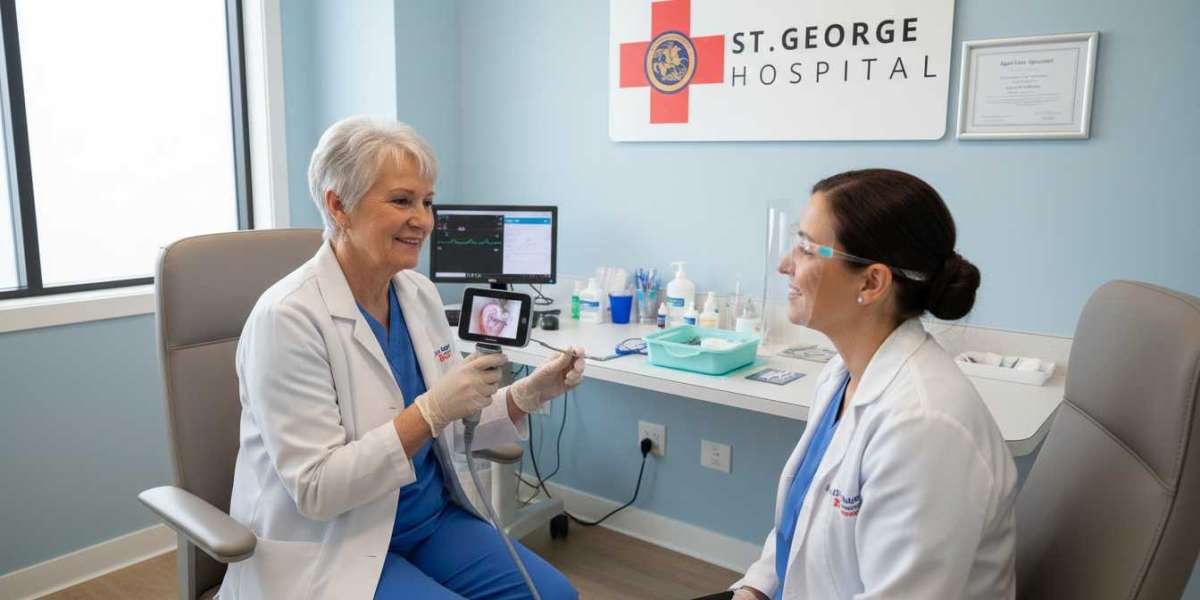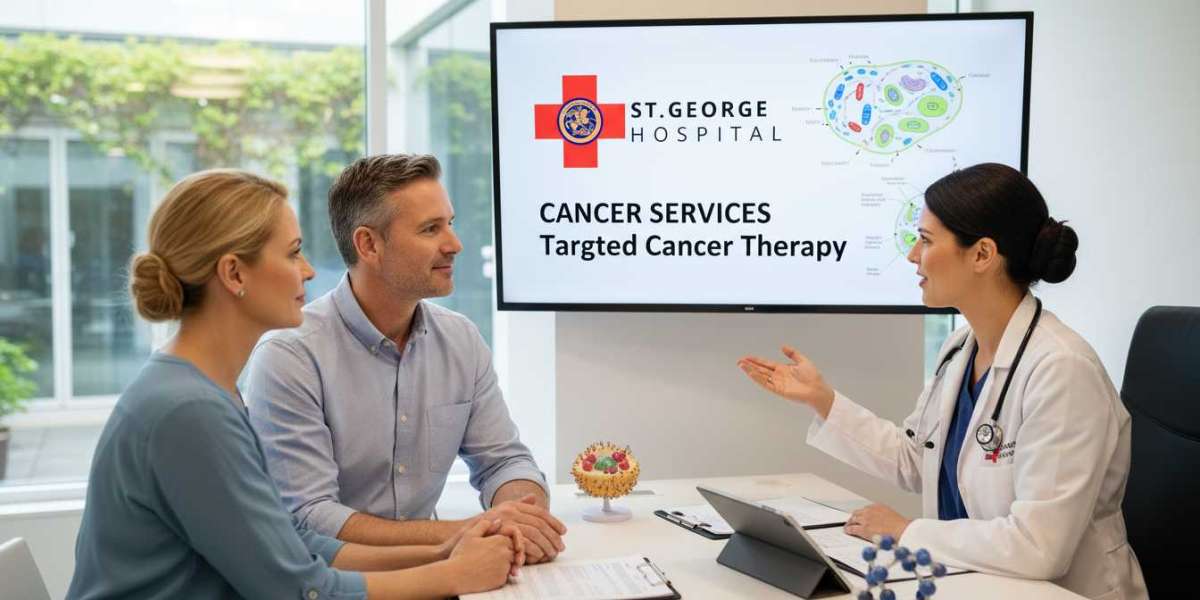

In modern oncology, Targeted Cancer Therapy has transformed the way cancer is treated by focusing on specific molecules and pathways that drive cancer growth. Unlike traditional treatments that affect both healthy and cancerous cells, targeted therapy is designed to act on particular genetic or protein changes within cancer cells. This approach improves treatment precision and reduces damage to surrounding healthy tissues. At St George Hospital, advanced cancer services include personalized treatment plans that may involve targeted therapy depending on the patient’s condition.
Targeted therapy is increasingly used as part of comprehensive cancer care because it offers more tailored treatment options. It can be used alone or in combination with other treatments such as chemotherapy, radiation therapy, or immunotherapy. Understanding how this therapy works helps patients and families make informed decisions about cancer treatment.
Understanding Targeted Therapy for Cancer
Targeted therapy is a type of cancer treatment that uses drugs or other substances to identify and attack specific cancer cells without harming most normal cells. It focuses on molecular targets such as proteins, genes, or tissue environments that contribute to cancer growth and survival.
In Targeted Cancer Therapy, scientists study the genetic makeup of cancer cells to find abnormalities that can be targeted with specific drugs. These abnormalities may include gene mutations, overexpressed proteins, or signaling pathways that promote tumor growth. By blocking these targets, therapy can stop cancer from growing or spreading.
Healthcare providers at St George Hospital use advanced diagnostic tools to identify suitable candidates for targeted therapy, ensuring safe and effective treatment planning.
How Targeted Therapy Works
Targeted therapy works by interfering with specific processes that cancer cells rely on to survive. These therapies can block chemical signals that tell cancer cells to grow, prevent the formation of new blood vessels that feed tumors, or trigger cancer cells to die.
Some targeted drugs attach to specific proteins on the surface of cancer cells, while others enter the cells to block internal pathways. Because these treatments are designed for particular targets, they are often more precise than conventional therapies.
Specialists in Targeted Cancer Therapy carefully select medications based on the patient’s cancer type and genetic profile. This personalized approach improves treatment outcomes and reduces unnecessary side effects.
Types of Targeted Therapy
Targeted therapy includes several categories of drugs that act in different ways. Monoclonal antibodies are laboratory-made proteins that bind to specific targets on cancer cells. These antibodies can block growth signals or mark cancer cells for destruction by the immune system.
Small molecule inhibitors are another type that can enter cancer cells and interfere with internal processes. These drugs often block enzymes involved in cancer cell growth and division.
Angiogenesis inhibitors are designed to stop the formation of new blood vessels that tumors need to grow. By cutting off the blood supply, these therapies limit tumor expansion.
Hospitals such as St George Hospital provide access to various forms of Targeted Cancer Therapy as part of advanced cancer services.
Benefits of Targeted Therapy
One of the main advantages of targeted therapy is its precision. Because it focuses on specific cancer cell characteristics, it reduces damage to normal cells. This often leads to fewer side effects compared to traditional chemotherapy.
Targeted therapy can also be more effective for certain cancers that have identifiable molecular markers. It may slow disease progression, shrink tumors, and improve survival rates.
Patients receiving Targeted Cancer Therapy often experience improved quality of life because treatment is designed to be more selective and less harmful to the body.
Conditions Treated with Targeted Therapy
Targeted therapy is used to treat a variety of cancers, including breast cancer, lung cancer, colorectal cancer, leukemia, lymphoma, and melanoma. The suitability of this therapy depends on the presence of specific molecular targets within the tumor.
Oncologists conduct detailed testing to determine whether targeted therapy is appropriate. Not all cancers respond to this approach, so accurate diagnosis is essential.
At St George Hospital, cancer specialists evaluate each patient individually to determine the most effective treatment plan using Targeted Cancer Therapy when applicable.
Treatment Process and Planning
The treatment process begins with diagnostic testing, including genetic and molecular analysis of the tumor. These tests identify targets that can be treated with specific drugs.
Once a suitable target is identified, oncologists design a personalized treatment plan. Targeted therapy may be administered orally in the form of pills or through intravenous infusion.
Treatment schedules vary depending on the drug and cancer type. Patients are monitored regularly to assess effectiveness and manage side effects. Care teams at St George Hospital ensure that patients receive continuous support throughout their Targeted Cancer Therapy journey.
Side Effects of Targeted Therapy
Although targeted therapy is generally less harmful than traditional treatments, it can still cause side effects. Common side effects include fatigue, skin changes, diarrhea, high blood pressure, and liver function abnormalities.
The severity of side effects depends on the type of drug and individual patient response. Regular monitoring helps detect and manage these effects early.
Healthcare providers guide patients on how to manage symptoms and adjust treatment if necessary. Proper supervision ensures safe and effective use of Targeted Cancer Therapy.
Targeted Therapy vs Chemotherapy
Targeted therapy differs from chemotherapy in its approach. Chemotherapy affects all rapidly dividing cells, including healthy cells, which can lead to more widespread side effects.
In contrast, targeted therapy focuses on specific molecules involved in cancer growth. This selectivity reduces harm to normal cells and often results in fewer complications.
However, both treatments may be used together depending on the patient’s condition. Oncologists at St George Hospital determine the best combination of therapies to achieve optimal outcomes using advanced Targeted Cancer Therapy strategies.
Advancements in Targeted Cancer Therapy
Medical research continues to improve targeted therapy options. New drugs are being developed to target additional molecular pathways and genetic mutations.
Precision medicine is becoming more advanced, allowing doctors to match treatments with individual patient profiles more accurately. Innovations such as biomarker testing and genomic sequencing enhance treatment effectiveness.
Hospitals like St George Hospital integrate modern technologies into cancer care, ensuring patients benefit from the latest advancements in Targeted Cancer Therapy.
Emotional and Psychological Support
Cancer treatment can be emotionally challenging. Patients undergoing targeted therapy may experience anxiety, uncertainty, and stress.
Support from healthcare providers, family, and counseling services helps patients cope with these challenges. Open communication with doctors improves understanding and confidence in treatment decisions.
Comprehensive care at St George Hospital includes emotional support alongside medical treatment, ensuring a holistic approach to Targeted Cancer Therapy.
Conclusion
Targeted therapy is a significant advancement in cancer treatment that focuses on specific molecular changes within cancer cells. It offers a more precise and personalized approach compared to traditional treatments.
Through careful diagnosis, treatment planning, and ongoing monitoring, targeted therapy improves outcomes and enhances patient quality of life. Institutions such as St George Hospital provide expert care and advanced treatment options tailored to individual needs.
Understanding the role of Targeted Cancer Therapy empowers patients to make informed decisions and seek appropriate medical support for effective cancer management.
Frequently Asked Questions About Targeted Cancer Therapy
What is targeted therapy for cancer?
Targeted therapy is a treatment that uses drugs designed to attack specific molecules involved in cancer growth. It focuses on cancer cells while minimizing damage to normal cells, making it a key part of modern Targeted Cancer Therapy.
How is targeted therapy different from chemotherapy?
Targeted therapy focuses on specific cancer cell markers, while chemotherapy affects all rapidly dividing cells. This makes targeted therapy more precise and often associated with fewer side effects.
Who can receive targeted therapy?
Patients whose tumors have specific genetic mutations or proteins may benefit from targeted therapy. Doctors perform tests to determine eligibility for Targeted Cancer Therapy.
Is targeted therapy painful?
The treatment itself is not painful, but some side effects may cause discomfort. Patients are monitored closely to manage symptoms during Targeted Cancer Therapy.
What types of cancer can be treated with targeted therapy?
It is used for cancers such as breast, lung, colorectal, leukemia, and melanoma, depending on molecular characteristics of the tumor.
Are there side effects of targeted therapy?
Yes, side effects may include fatigue, skin issues, and digestive problems, but they are usually less severe than those associated with chemotherapy.
How long does targeted therapy treatment last?
The duration varies depending on cancer type and response to treatment. Some patients receive therapy for months or longer under medical supervision.
Can targeted therapy cure cancer?
In some cases, it can control or eliminate cancer, especially when detected early. In other cases, it helps manage the disease effectively.
Is targeted therapy available at hospitals?
Yes, advanced hospitals like St George Hospital offer targeted therapy as part of comprehensive cancer care services.
Why is genetic testing important for targeted therapy?
Genetic testing identifies specific mutations in cancer cells, helping doctors choose the most effective Targeted Cancer Therapy treatment.