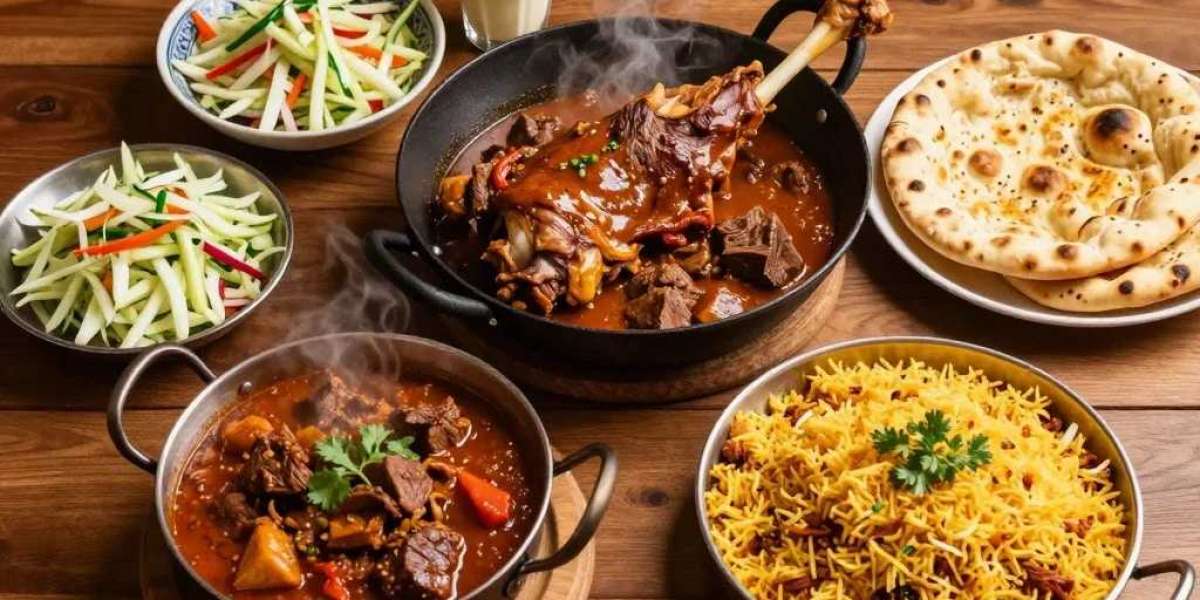

Eid ul Adha is a joyous occasion with rich meat dishes, sweets, and family gatherings. For diabetic patients, balancing festive indulgence with blood sugar control can be challenging. With careful planning, portion management, and smart food choices, diabetics can safely participate in celebrations without risking hyperglycemia or other health complications.
Understanding the Challenges Diabetic Patients Face During Eid ul Adha and Why Careful Planning Is Essential for Blood Sugar Control
During Eid, meals are often high in carbohydrates, sugar, and fats, which can spike blood glucose levels. Diabetic patients need to monitor portion sizes, select appropriate foods, and balance protein, fiber, and healthy fats. Understanding these challenges helps in creating a strategy for safe and enjoyable participation in Eid feasts, reducing the risk of sudden blood sugar fluctuations.
Prioritize Lean Proteins and Safe Meat Choices to Maintain Blood Sugar Stability During Eid Meals
Lean meats like skinless chicken, lean beef, and fish provide essential protein without causing significant blood sugar spikes. Avoid fried or heavily sauced meats, as they increase calorie and fat intake. Preparing grilled or baked dishes with herbs and spices instead of sugary marinades ensures flavorful meals that align with diabetic dietary needs during Eid ul Adha.
Incorporate High-Fiber Sides and Vegetables to Prevent Blood Sugar Spikes While Enjoying Traditional Eid Dishes
Fiber slows the absorption of glucose, helping maintain steady blood sugar levels. Include salads, steamed vegetables, and legumes alongside meat dishes. Vegetables like spinach, broccoli, and beans are ideal for diabetic-friendly meals. Pairing high-fiber sides with protein creates a balanced plate, reduces the glycemic impact of starchy foods, and supports digestive health during festive meals.
Practice Portion Control and Mindful Eating to Manage Diabetes While Enjoying the Festive Spirit of Eid
Portion control is critical for diabetic patients to prevent overeating and sudden blood sugar spikes. Fill half your plate with non-starchy vegetables, a quarter with lean protein, and a quarter with whole grains. Eat slowly, savor each bite, and avoid repeated servings. Mindful eating reduces temptation to overindulge while allowing full enjoyment of Eid traditions.
Limit Sugary Desserts and Drinks Without Missing Out on Sweet Eid Experiences
Traditional Eid desserts are often high in sugar and refined carbohydrates. Limit portions and consider sugar-free alternatives, fresh fruits, or small servings of dessert to satisfy cravings without drastically affecting glucose levels. Replace sugary drinks with water, unsweetened teas, or infused water for a safer, diabetic-friendly festive experience that does not compromise taste or enjoyment.
Monitor Blood Glucose Levels Regularly to Adjust Diet and Medication Appropriately During Eid Celebrations
Frequent blood sugar monitoring is essential during Eid for diabetic patients. Checking glucose before and after meals allows timely adjustments in diet, insulin, or oral medications. Maintaining a log of readings and meals helps identify patterns, preventing hyperglycemia or hypoglycemia. Staying proactive ensures a safe, joyful celebration without compromising diabetes management.
Incorporate Healthy Cooking Methods and Avoid Excess Fats to Protect Heart and Pancreatic Health
Opt for baking, grilling, steaming, or slow-cooking instead of deep-frying meat or vegetables. Use minimal oil and healthy options like olive oil. Avoid processed meats and heavy sauces that are high in salt and saturated fats. Healthy cooking preserves nutrients, supports heart health, and prevents unnecessary glucose fluctuations, making Eid meals safer for diabetic patients.
Stay Active and Hydrated to Support Blood Sugar Regulation During Eid Festivities
Physical activity improves insulin sensitivity and helps maintain stable glucose levels. Engage in light activities such as walking, cleaning, or playing with children after meals. Adequate hydration supports digestion and helps prevent post-meal hyperglycemia. Combining movement with balanced hydration ensures diabetic patients can enjoy celebrations without adverse effects on blood sugar or overall wellness.
Book Online Appointment with the Best Diabetologist via InstaCare for Personalized Guidance on Managing Diabetes During Eid
Scheduling a consultation with a certified diabetologist provides individualized advice tailored to your medical history, current medications, and lifestyle. Platforms like InstaCare allow easy online appointments, ensuring diabetic patients receive guidance on meal planning, portion control, and medication management. Expert support ensures safe, stress-free, and healthy Eid celebrations.
Five Frequently Asked Questions About Diabetes Management During Eid ul Adha
- Can diabetic patients eat meat freely during Eid ul Adha?
Yes, but choose lean cuts, control portion sizes, and avoid fried or sugary preparations. - How should diabetics handle traditional Eid desserts?
Opt for small portions, sugar-free versions, or fresh fruit alternatives to satisfy cravings without spiking blood sugar. - Is physical activity necessary after festive meals for diabetic patients?
Yes, light activity like walking can help regulate blood glucose and improve insulin sensitivity. - How often should diabetics monitor blood sugar during Eid?
Check before and after meals, especially when consuming new dishes or larger portions, to manage glucose levels safely. - Why is consulting a diabetologist important for Eid meal planning?
A specialist provides tailored guidance on diet, portion control, and medication adjustments, ensuring safe and enjoyable celebrations without compromising health.