
Heat exchangers are indispensable thermal equipment widely used in HVAC systems, refrigeration industries, chemical engineering and automobile manufacturing. As a critical auxiliary component of heat exchangers, fins determine the overall heat transfer efficiency and service life of the equipment. Among various raw materials for fins, aluminum foil has gradually become the most mainstream material for fin production and replaces traditional copper, iron and stainless steel materials. This article comprehensively analyzes the core reasons for the extensive application of aluminum foil fins in heat exchangers from the perspectives of thermal performance, physical characteristics, economic cost and processing adaptability.
The superior thermal conductivity is the primary reason for the popularity of aluminum foil fins. Heat transfer efficiency is the core evaluation index of heat exchangers. Aluminum possesses excellent thermal conductivity among common industrial metals, which is about 237 W/(m·K). Although its thermal conductivity is slightly lower than that of copper, aluminum foil can form an ultra-thin and dense fin structure. The thin thickness of aluminum foil effectively reduces thermal resistance inside the fins, accelerates the heat exchange rate between the fluid and the external air, and improves the operating efficiency of the heat exchanger. For air-cooled heat exchangers commonly used in household air conditioners and refrigerators, aluminum foil fins can quickly complete heat absorption and dissipation, ensuring stable temperature regulation performance of electrical equipment.
Low density and lightweight characteristics endow aluminum foil with unique application advantages. The density of aluminum is only 2.7 g/cm³, far lower than iron and copper. Heat exchangers equipped with aluminum foil fins have a lighter overall weight, which greatly reduces equipment transportation costs and installation difficulty. In the automotive industry, lightweight heat exchangers help reduce the overall weight of vehicles, thereby lowering fuel consumption and improving driving economy. In addition, the light weight of aluminum foil avoids excessive structural load on the heat exchanger, reduces the risk of structural deformation during long-term operation, and enhances the stability of mechanical operation.
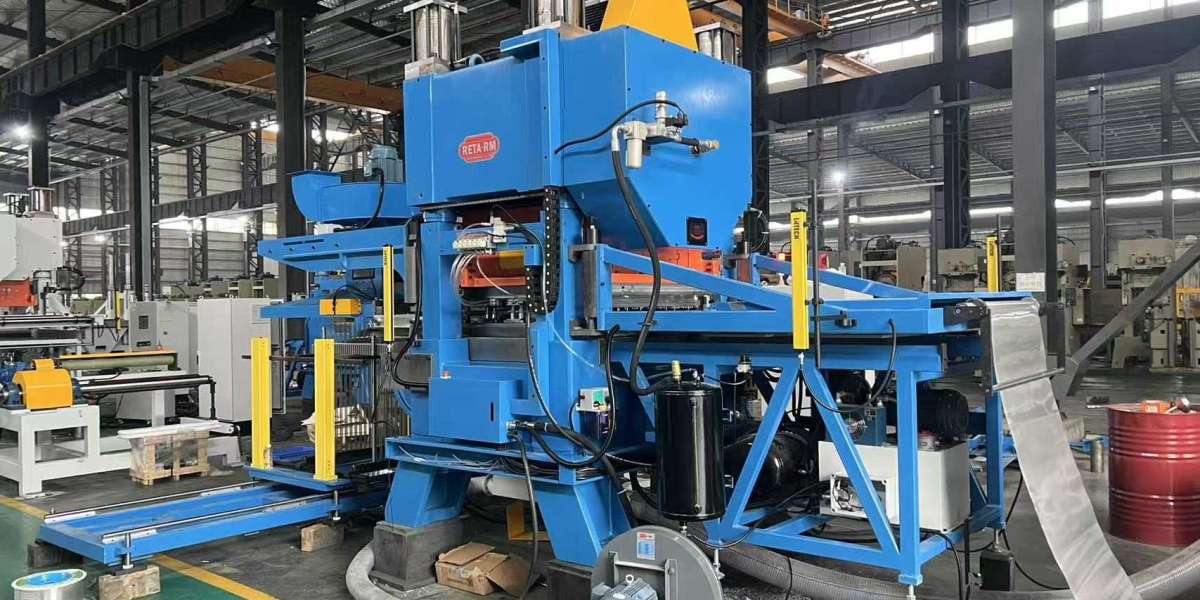
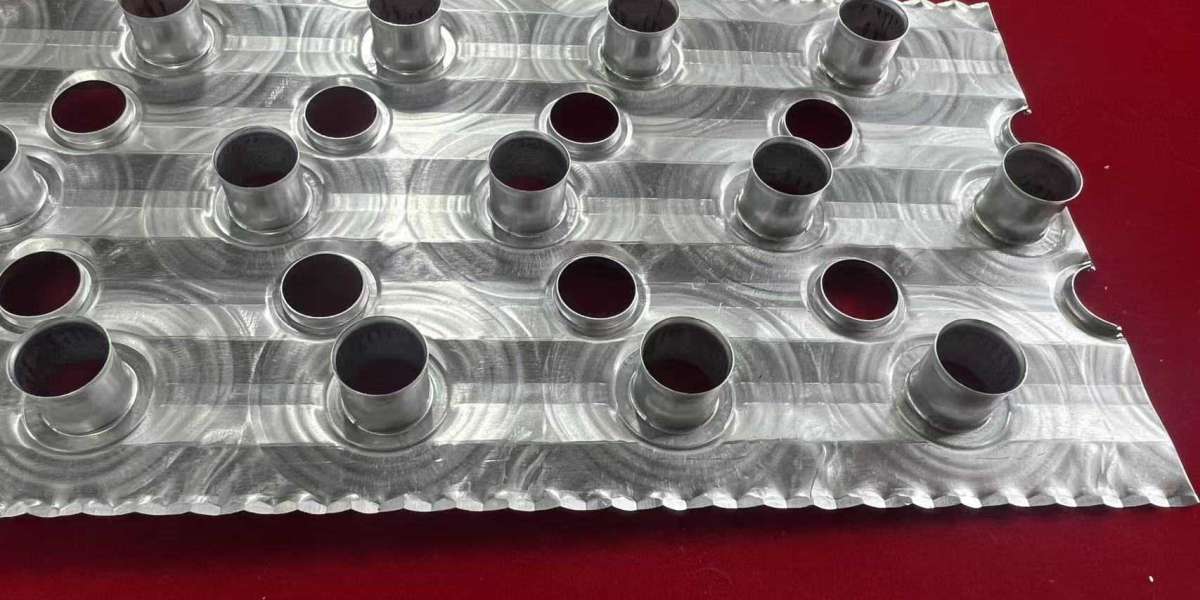
Economic cost and excellent machinability are key factors for large-scale industrial promotion. Compared with scarce and expensive copper resources, aluminum has abundant mineral reserves and lower market prices, which effectively controls the production cost of heat exchangers. Meanwhile, aluminum foil has good ductility and plasticity. It can be easily stamped, bent and rolled into various complex fin shapes, such as corrugated fins and louvered fins. These special structures increase the contact area between the fins and the air, further optimizing the heat exchange effect. Moreover, aluminum foil is suitable for automated mass production, which greatly improves production efficiency and meets the huge market demand for heat exchange equipment.
In terms of corrosion resistance, aluminum foil also shows satisfactory performance. A dense oxide film will naturally form on the surface of aluminum, which can isolate air and moisture and prevent internal metal oxidation and corrosion. For heat exchangers working in conventional atmospheric environments, this natural anti-corrosion capability can effectively prolong the service life of fins. In harsh humid or weakly corrosive environments, surface coating treatment can further enhance the durability of aluminum foil fins at a low cost.
In conclusion, aluminum foil stands out among numerous fin materials due to its balanced advantages of excellent thermal conductivity, low density, low cost, easy processing and good corrosion resistance. Even though aluminum foil has minor limitations such as low high-temperature resistance, its performance fully meets the working requirements of most civil and industrial heat exchangers. With the continuous upgrading of material processing technology, aluminum foil fins will be further optimized in structure and performance, maintaining an irreplaceable core position in the heat exchanger industry.