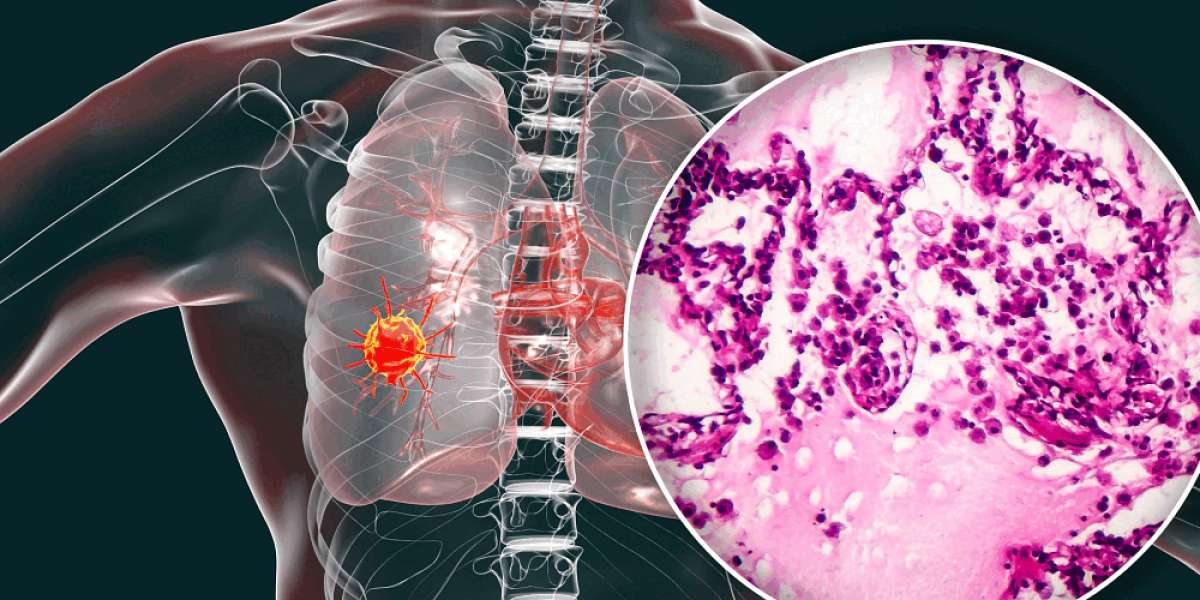

Non-Small Cell Lung Cancer is one of the most commonly diagnosed forms of lung cancer, accounting for a significant proportion of global cancer cases. It typically includes subtypes such as adenocarcinoma, squamous cell carcinoma, and large cell carcinoma. Over the years, advancements in medical science have improved diagnosis and treatment pathways, allowing for more personalized and effective care approaches.
Modern healthcare systems are increasingly focusing on early detection and precision-based therapies. These approaches aim to enhance survival rates while minimizing side effects, reflecting a shift toward patient-centered oncology care. The evolving scope of treatment highlights the importance of continuous research and innovation in this area.
Understanding Diagnosis and Staging in Lung Cancer Care
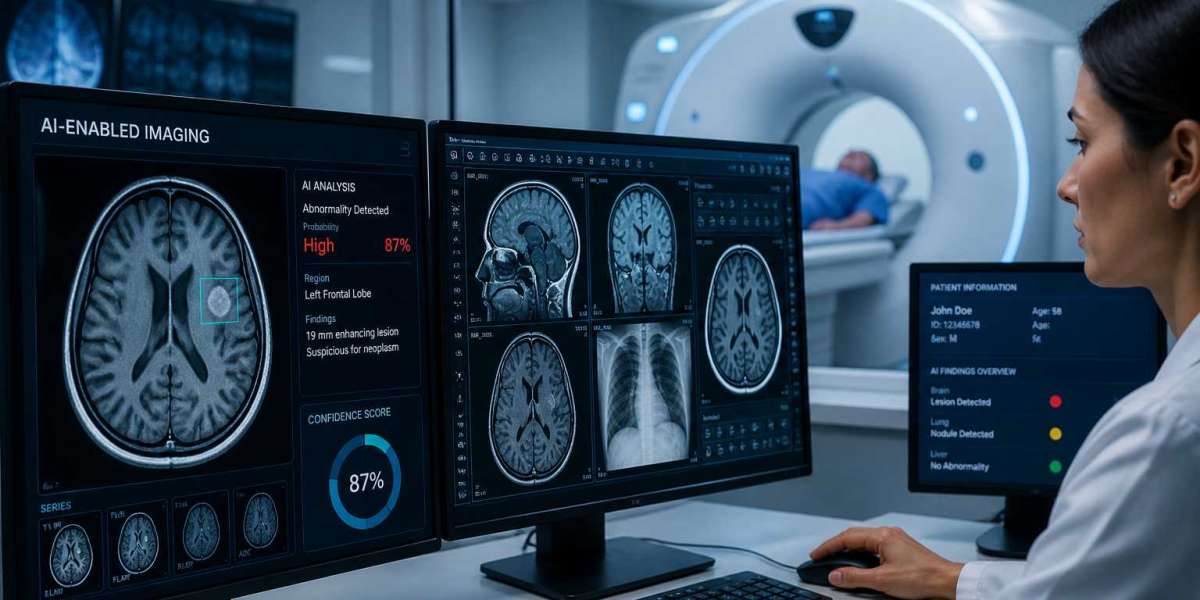
Accurate diagnosis and staging play a crucial role in determining the most appropriate treatment plan. Physicians rely on imaging techniques such as CT scans, PET scans, and biopsies to confirm the presence and extent of the disease. Staging helps classify the cancer from localized to advanced stages, guiding therapeutic decisions.
Advances in diagnostic tools, including molecular testing, have enabled clinicians to identify specific genetic mutations. This has opened opportunities for targeted therapies that address the underlying biological mechanisms of the disease, contributing to improved treatment outcomes and more efficient care delivery.
Emerging Therapies Transforming Patient Outcomes
Treatment options for Non-Small Cell Lung Cancer have expanded significantly in recent years. Traditional approaches such as surgery, chemotherapy, and radiation therapy remain essential, particularly in early-stage cases. However, newer therapies are transforming the landscape of care.
Targeted therapy focuses on specific genetic mutations, such as EGFR and ALK, offering a more tailored approach. Immunotherapy, on the other hand, enhances the body’s immune system to fight cancer cells. These innovations are improving survival rates and providing new opportunities for patients with advanced disease.
According to World Health Organization (WHO), lung cancer remains one of the leading causes of cancer-related deaths worldwide, emphasizing the need for continued advancements in treatment strategies.
Role of Personalized Medicine in Modern Oncology
Personalized medicine has become a cornerstone in managing Non-Small Cell Lung Cancer. By analyzing genetic profiles and biomarkers, healthcare providers can select therapies that are more likely to be effective for individual patients. This approach reduces unnecessary treatments and enhances overall patient outcomes.
The integration of precision medicine into oncology reflects broader trends in the healthcare sector. Researchers and organizations such as National Cancer Institute (NCI) continue to support studies that explore innovative treatment options and improve clinical decision-making processes.
Challenges in Access and Treatment Delivery
Despite advancements, several challenges remain in the management of Non-Small Cell Lung Cancer. Access to advanced therapies can vary significantly depending on geographic location and healthcare infrastructure. High treatment costs and limited availability of specialized care can hinder patient outcomes.
Healthcare systems are working to address these issues by expanding access to diagnostic tools and therapies. Efforts by organizations like Centers for Disease Control and Prevention (CDC) highlight the importance of awareness, early detection, and equitable healthcare access in improving cancer care globally.
Innovations Shaping the Future of Lung Cancer Care
Ongoing research continues to drive innovation in the treatment of Non-Small Cell Lung Cancer. Emerging technologies such as liquid biopsies and artificial intelligence are enhancing early detection and treatment planning. These advancements are expected to play a critical role in shaping the future of oncology.
After the second stage of treatment evolution, the Non-Small Cell Lung Cancer Treatment Options and Advances in Modern Care Approaches sector is witnessing notable trends, growth, and future opportunities driven by innovation and research. Insights from MarkNtel Advisors indicate that continuous advancements in therapies and diagnostics are expected to influence the overall direction of this sector.
In addition, the development of targeted therapy and immunotherapy continues to expand treatment possibilities. These innovations are likely to improve survival outcomes while supporting the broader goals of precision medicine and patient-centric care.
Conclusion
The treatment landscape for Non-Small Cell Lung Cancer has evolved significantly, offering a range of options tailored to individual patient needs. From traditional therapies to advanced targeted treatments, the scope of care continues to expand.
While challenges remain, ongoing research and technological advancements are creating new opportunities for improved outcomes. As healthcare systems continue to adapt, the future of lung cancer care is expected to be shaped by innovation, accessibility, and a stronger focus on personalized treatment strategies.