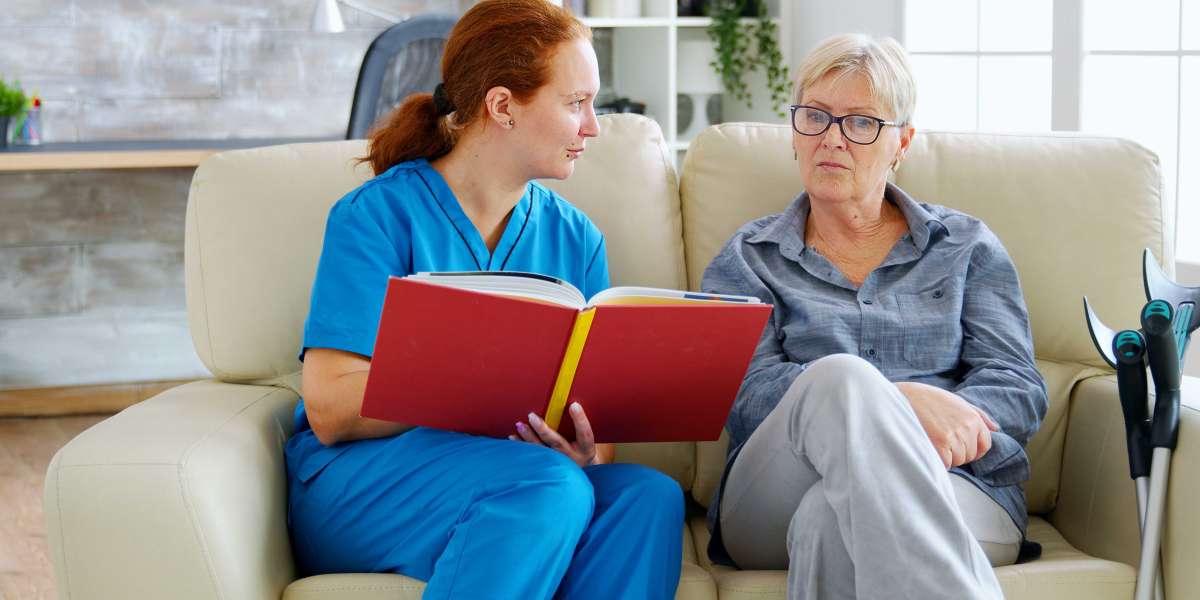

There’s a reason people say, “Home is where the heart is.” No matter how advanced hospitals or care facilities become, nothing truly replaces the comfort of familiar surroundings. That emotional connection is exactly why personal care at home has become one of the fastest-growing healthcare and support services around the world. Families increasingly prefer home-based care because it allows loved ones to maintain independence, dignity, and emotional well-being while receiving the support they need daily.
The demand for home care services has expanded dramatically in recent years. According to recent healthcare industry reports, the global home healthcare market is expected to grow significantly due to aging populations and rising chronic health conditions.People are living longer than ever before, but longevity often comes with mobility limitations, medical conditions, or challenges managing daily activities. Personal home care bridges that gap by bringing compassionate support directly into the home.
Unlike institutional care, personal care at home focuses on preserving a person’s lifestyle and routine. Caregivers don’t just provide assistance—they help individuals continue living life on their own terms. Whether it’s helping with bathing, meal preparation, mobility support, medication reminders, or companionship, home care creates a personalized environment where people feel safe and respected.
Technology is also transforming how care is delivered. Telehealth consultations, wearable health monitors, and smart home systems are making home care safer and more effective than ever before. Families now have more options, more flexibility, and more peace of mind when arranging support for loved ones. In many ways, personal care at home represents the future of compassionate healthcare itself.
Understanding Personal Care at Home
What Personal Care Services Include
Personal care at home refers to non-medical or supportive services provided to individuals in their own homes to help them manage daily life comfortably and safely. These services focus on assisting with activities people may struggle to perform independently due to aging, illness, disability, injury, or recovery from surgery. Instead of relocating to assisted living facilities or nursing homes, many individuals now receive customized support while remaining in familiar surroundings.
Personal care services cover a wide range of everyday activities. Caregivers often assist with bathing, grooming, dressing, toileting, meal preparation, mobility support, medication reminders, housekeeping, and companionship. Some clients may need only a few hours of help each week, while others require around-the-clock assistance depending on their condition and lifestyle needs.
One of the most important aspects of personal home care is personalization. Every individual has different routines, preferences, and emotional needs. A professional caregiver adapts support to match the person’s lifestyle rather than forcing them into rigid institutional schedules. That flexibility creates a more respectful and dignified care experience.
Families also benefit enormously from these services. Caring for loved ones full-time can become emotionally exhausting and physically demanding. Home caregivers reduce stress for family members while ensuring loved ones receive professional attention and companionship. It’s a support system that helps both the patient and the entire household function more smoothly.
Who Can Benefit from In-Home Personal Care
Many people assume personal care at home is only for seniors, but that’s far from reality. Individuals of all ages may benefit from home support services. Elderly adults, people recovering from surgery, individuals with disabilities, patients managing chronic illnesses, and even young adults recovering from injuries often require temporary or long-term assistance.
Older adults remain one of the largest groups using home care services. As mobility declines or medical conditions become more challenging, daily activities can gradually become difficult or unsafe. Simple tasks like climbing stairs, preparing meals, or bathing independently may suddenly require assistance. Home care allows seniors to maintain independence without sacrificing safety.
Patients recovering from surgery also benefit significantly. Traveling frequently to healthcare facilities during recovery can be stressful and physically exhausting. Receiving support at home simplifies recovery and reduces unnecessary strain. Caregivers can help manage mobility, monitor routines, and ensure patients follow recovery plans properly.
Individuals with disabilities often rely on personal care services to maintain independence and participate more actively in daily life. Instead of depending entirely on family members, professional caregivers provide structured support that promotes autonomy and dignity. Home care isn’t just about assistance—it’s about improving quality of life and preserving personal freedom.
Why Personal Care at Home Is Becoming More Popular
Aging Population and Increased Care Needs
The global population is aging rapidly, and healthcare systems are adapting to meet changing demands. Millions of older adults now require support with daily living activities, chronic disease management, and mobility challenges. Industry reports suggest that home healthcare services will continue expanding significantly over the next decade due to demographic changes worldwide. (globenewswire.com)
Longer life expectancy is a wonderful achievement, but it also creates practical challenges. Families are increasingly searching for sustainable ways to care for elderly relatives without relying entirely on hospitals or nursing facilities. Personal care at home offers a balanced solution that combines independence with professional support.
Healthcare costs also influence this growing trend. Long-term facility care can become extremely expensive, especially for families managing extended care needs. Home care often provides a more affordable alternative while still delivering personalized support and emotional comfort.
The emotional aspect matters deeply as well. Many seniors strongly prefer remaining in their own homes instead of relocating to institutions. Familiar environments provide psychological security, emotional stability, and stronger social connections. Staying at home helps preserve identity, routines, and cherished memories that contribute to emotional well-being.
The Desire for Independence and Comfort
Independence means everything to many people, especially older adults. Losing the ability to manage daily life can feel emotionally devastating. Personal care at home helps individuals maintain control over their routines while receiving necessary support discreetly and respectfully.
There’s something powerful about waking up in your own bedroom, drinking coffee in your favorite chair, or spending time in a familiar garden. These simple experiences create emotional comfort that institutional settings often struggle to replicate. Home environments naturally promote relaxation and reduce anxiety.
Families also appreciate the flexibility home care provides. Instead of adjusting entirely to facility schedules and regulations, care plans can be customized around the individual’s needs and preferences. That personalized approach creates a more human-centered experience focused on dignity and emotional health.
Modern consumers are also more informed about healthcare options than previous generations. Families increasingly prioritize quality of life alongside medical care. They want solutions that support emotional wellness, social interaction, and personal independence—not just physical treatment.
Key Services Offered in Personal Home Care
Daily Living Assistance
One of the primary functions of personal home care is assisting with daily activities that may become difficult due to age, illness, or disability. These activities are often called Activities of Daily Living (ADLs), and they include tasks many people take for granted until they become physically challenging.
Caregivers may help clients get dressed, move safely around the home, prepare meals, organize household tasks, or attend appointments. While these responsibilities may sound simple, they can dramatically improve safety and quality of life for someone struggling with mobility or balance issues.
Daily living assistance also reduces the risk of accidents at home. Falls remain one of the leading causes of injury among older adults, and caregiver support helps create safer living environments. Assistance with mobility, stair navigation, and transferring between beds or chairs can prevent serious injuries.
Consistency is another major benefit. Establishing reliable daily routines helps clients maintain physical health, emotional stability, and confidence. Caregivers become familiar with clients’ habits and preferences, creating personalized support systems that feel comfortable and natural.
Hygiene and Grooming Support
Personal hygiene is deeply connected to dignity and self-esteem. Yet for individuals with mobility limitations or chronic conditions, maintaining grooming routines independently may become difficult. Caregivers provide respectful assistance with bathing, oral hygiene, shaving, hair care, and dressing while prioritizing privacy and comfort.
This support does more than maintain cleanliness. Proper hygiene reduces the risk of infections, skin conditions, and other health complications. Caregivers also monitor for signs of health changes such as bruises, swelling, or skin irritation that may require medical attention.
Emotional well-being improves significantly when individuals feel clean, comfortable, and confident in their appearance. Something as small as fresh clothing or styled hair can positively affect mood and social engagement. Personal care isn’t merely practical—it’s deeply emotional too.
Caregivers are trained to provide assistance sensitively and compassionately. Maintaining trust and preserving dignity are essential parts of quality personal care services.
Meal Preparation and Nutrition
Nutrition plays a massive role in health, especially for older adults and individuals recovering from illness. Many people struggle to prepare healthy meals consistently due to physical limitations, fatigue, or cognitive challenges. Personal caregivers help plan and prepare balanced meals tailored to dietary needs and medical conditions.
Proper nutrition supports stronger immune systems, improved energy levels, faster recovery, and better overall health outcomes. Caregivers can also encourage hydration and monitor eating habits to identify changes that may indicate health concerns.
Some individuals require specialized diets for diabetes, heart disease, or digestive disorders. Home caregivers help ensure meals align with medical recommendations while still remaining enjoyable and comforting.
Mealtimes also create opportunities for companionship and emotional connection. Eating alone every day can increase feelings of loneliness, especially among seniors. Shared conversations during meals provide social interaction that supports mental and emotional health.
Emotional and Mental Benefits of Home Care
Reducing Loneliness and Isolation
Loneliness is one of the most overlooked health concerns among elderly individuals and people with limited mobility. Social isolation can contribute to depression, anxiety, cognitive decline, and even physical health problems. Personal care at home helps address this issue by providing regular companionship and emotional interaction.
Caregivers often become trusted companions who bring warmth, conversation, and emotional support into daily life. Even simple interactions like discussing current events, sharing meals, or taking walks together can significantly improve mood and mental health.
Families gain reassurance knowing loved ones are not spending long periods isolated or alone. Emotional well-being matters just as much as physical safety, and companionship plays a crucial role in maintaining overall health.
Building Confidence and Emotional Stability
When people struggle with daily tasks, frustration and embarrassment can slowly erode self-confidence. Personal caregivers help individuals maintain independence while offering discreet support where needed. That balance allows clients to feel capable rather than helpless.
Emotional stability improves when individuals know reliable assistance is available. Anxiety about falling, forgetting medications, or managing household tasks decreases significantly with structured support systems in place.
Caregivers also encourage social engagement and participation in hobbies or routines clients enjoy. Maintaining connections to favorite activities helps preserve identity and emotional resilience.
Technology and Modern Home Care
Telehealth and Remote Monitoring
Technology is revolutionizing the home care industry. Telehealth appointments now allow patients to consult healthcare providers remotely using smartphones, tablets, or computers. Remote monitoring devices can track vital signs, medication adherence, and activity levels in real time.
These tools increase safety while reducing unnecessary hospital visits. Families and healthcare providers can respond more quickly if health concerns arise. Industry experts believe digital healthcare technology will continue driving rapid growth in home care services over the next decade. (grandviewresearch.com)
Smart devices also support caregiver efficiency. Medication reminders, emergency alert systems, and fall-detection technology help create safer living environments while promoting greater independence.
Choosing the Right Personal Care Provider
Questions Families Should Ask
Selecting the right caregiver or agency requires careful consideration. Families should ask detailed questions about caregiver training, background checks, experience levels, and emergency procedures. Communication policies and scheduling flexibility also matter enormously.
Understanding how agencies handle medical emergencies, caregiver replacements, and care planning helps families make informed decisions. Transparency and responsiveness are strong indicators of professionalism and reliability.
Qualities of a Reliable Caregiver
Compassion, patience, and communication skills are just as important as technical abilities. A great caregiver understands how to build trust while respecting privacy and personal preferences.
Families should look for caregivers who demonstrate empathy, professionalism, reliability, and adaptability. Positive relationships between caregivers and clients often become one of the most valuable parts of home care itself.
Challenges in Personal Home Care
Costs and Financial Planning
While home care can be more affordable than institutional care, costs still vary depending on service levels and care duration. Families should carefully evaluate budgets, insurance coverage, and long-term care planning options.
Some insurance plans cover portions of home care services, especially when linked to medical recovery or chronic illness management. Understanding financial options early helps families avoid unexpected stress later.
Finding Skilled and Trustworthy Caregivers
The growing demand for home care services has created staffing shortages in many regions. Finding experienced and trustworthy caregivers can sometimes become challenging, particularly in rural communities.
Families should research agencies carefully, review credentials, and prioritize providers with strong reputations and transparent practices.
The Future of Personal Care at Home
The future of personal care at home looks stronger than ever. Healthcare systems increasingly recognize that home-based care improves patient satisfaction, emotional well-being, and long-term quality of life. Technology will continue enhancing safety, efficiency, and communication between caregivers, families, and healthcare providers.
Artificial intelligence, wearable devices, and remote monitoring systems may soon make home care even more proactive and personalized. Instead of reacting to health problems after they worsen, caregivers and medical professionals will increasingly identify risks early and intervene faster.
Most importantly, home care represents a shift toward more human-centered healthcare. People want care that respects individuality, emotional comfort, and personal dignity. Home environments naturally support those values better than institutional settings for many individuals.
The future of healthcare isn’t just about medical technology—it’s about creating compassionate systems that allow people to live safely, comfortably, and meaningfully in the places they call home.
Conclusion
Personal care at home has become an essential solution for families seeking compassionate, flexible, and personalized support for loved ones. From daily living assistance and meal preparation to companionship and emotional support, home care services improve both physical health and overall quality of life.
As populations age and healthcare needs evolve, home-based care will continue expanding rapidly. Technology is making services safer and more effective, while caregivers remain the emotional heart of the industry.
People heal, thrive, and feel more secure in environments filled with familiarity and comfort. Personal care at home allows individuals to maintain dignity, independence, and emotional well-being while receiving the support they need every day.
FAQs
1. What is personal care at home?
Personal care at home includes non-medical support services such as bathing, grooming, meal preparation, mobility assistance, companionship, and daily living support provided in a person’s home.
2. Who needs personal home care services?
Seniors, individuals recovering from surgery, people with disabilities, and those managing chronic illnesses often benefit from personal care services.
3. Is home care better than nursing homes?
It depends on individual needs, but many people prefer home care because it offers more independence, personalized attention, and emotional comfort.
4. How much does personal home care cost?
Costs vary depending on care hours, service types, and location. Part-time care is generally less expensive than full-time or live-in support.
5. How do I choose a reliable home caregiver?
Look for licensed agencies or caregivers with strong experience, positive reviews, proper training, background checks, and compassionate communication skills.