
Modern power transmission systems depend on reliable and efficient conductors to deliver electricity across long distances with minimal power loss. Among the most widely used solutions in utility and industrial applications is the bare conductor. From overhead transmission lines to substations and distribution networks, bare conductors remain a critical component in global electrical infrastructure.
For engineers, EPC contractors, procurement teams, and utility companies, selecting the right bare conductor is essential for ensuring system performance, durability, and cost efficiency. In this guide, we will explain what bare conductors are, their types, applications, advantages, selection factors, and why quality manufacturing matters for modern power projects.
What Is a Bare Conductor?
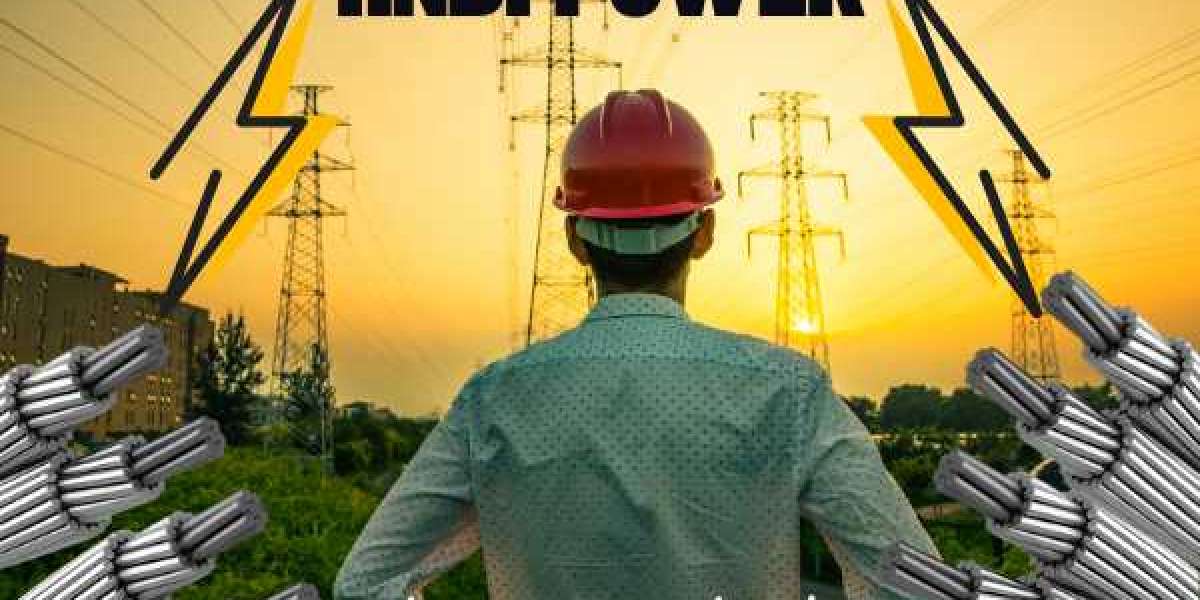
A bare conductor is an electrical conductor without an external insulation layer. It is primarily designed for overhead power transmission and distribution applications where air acts as the insulation medium.
Bare conductors are commonly manufactured using aluminum, aluminum alloy, or steel-reinforced aluminum materials to achieve the required balance of conductivity, tensile strength, corrosion resistance, and mechanical durability.
Because of their lightweight structure and excellent electrical conductivity, bare conductors are widely used in:
- High-voltage transmission lines
- Medium-voltage distribution systems
- Rural electrification projects
- Substation busbars
- Industrial power networks
- Renewable energy transmission systems
Why Bare Conductors Are Important in Power Networks
Power utilities and transmission companies prefer bare conductors because they provide efficient energy transfer while reducing installation and operational costs.
Key Benefits of Bare Conductors
Excellent Electrical Conductivity
Bare conductors provide low resistance for efficient power flow, helping utilities minimize transmission losses across long-distance networks.
Lightweight Construction
Aluminum-based conductors are lighter than copper alternatives, making installation easier and reducing stress on poles and towers.
Cost-Effective Solution
Compared with insulated cables, bare conductors are more economical for overhead transmission systems, especially in large-scale utility projects.
High Mechanical Strength
Steel-reinforced conductors are capable of handling heavy mechanical loads, wind pressure, and long-span installations.
Long Service Life
High-quality bare conductors offer strong resistance against environmental conditions such as corrosion, UV exposure, and temperature fluctuations.
Main Types of Bare Conductors
Different power transmission projects require different conductor designs. Choosing the correct conductor type depends on voltage level, environmental conditions, mechanical requirements, and budget.
AAC – All Aluminum Conductor
AAC conductors are made entirely of aluminum strands. They offer excellent conductivity and are commonly used in urban distribution networks where span lengths are shorter.
Advantages of AAC
- High conductivity
- Lightweight structure
- Good corrosion resistance
- Easy installation
Typical Applications
- Urban overhead distribution lines
- Coastal power networks
- Low and medium-voltage systems
AAAC – All Aluminum Alloy Conductor
AAAC conductors use aluminum alloy instead of pure aluminum, providing higher mechanical strength while maintaining good conductivity.
Advantages of AAAC
- Improved tensile strength
- Better sag performance
- Excellent corrosion resistance
- Longer operational lifespan
Typical Applications
- Coastal and industrial environments
- Mountain transmission lines
- Long-span overhead systems
ACSR – Aluminum Conductor Steel Reinforced
ACSR conductors combine aluminum strands around a steel core. This design delivers high tensile strength for heavy-load transmission applications.
Advantages of ACSR
- High mechanical strength
- Suitable for long spans
- Excellent durability
- Reliable performance under heavy loads
Typical Applications
- High-voltage transmission lines
- Utility grid infrastructure
- Cross-country transmission projects
Key Factors When Selecting a Bare Conductor
Selecting the wrong conductor can increase maintenance costs, reduce system efficiency, and shorten network lifespan. Engineers and procurement teams should evaluate several technical factors before making a purchasing decision.
Electrical Conductivity
Higher conductivity reduces energy loss and improves system efficiency. Aluminum conductors are widely preferred because they provide an excellent balance between conductivity and weight.
Mechanical Strength
Transmission lines exposed to strong wind, ice loading, or long spans require conductors with high tensile strength, such as ACSR.
Environmental Conditions
Corrosive environments such as coastal or industrial areas require conductors with superior corrosion resistance, making AAAC a preferred choice.
Current Carrying Capacity
The conductor must support the required load without excessive heating or voltage drop.
Sag Performance
Proper sag control is critical for maintaining safe clearance distances in overhead line systems.
Compliance With International Standards
Reliable manufacturers produce conductors according to international standards such as IEC, ASTM, BS, and DIN specifications.
Applications of Bare Conductors in Modern Infrastructure
Bare conductors play a major role in nearly every sector of electrical infrastructure development.
Utility Power Transmission
National grid operators use bare conductors for high-voltage and extra-high-voltage transmission systems.
Renewable Energy Projects
Solar farms and wind power plants rely on overhead conductors to connect renewable energy generation to the utility grid.
Industrial Facilities
Large industrial plants require durable conductors for internal power distribution and substations.
Rural Electrification
Bare conductors provide a cost-effective solution for extending electricity access to remote regions.
Railway and Transportation Networks
Electrified railway systems often use specialized overhead conductors for continuous power delivery.
Common Challenges in Bare Conductor Projects
Although bare conductors offer many advantages, project developers often face operational and procurement challenges.
Poor Material Quality
Low-grade aluminum or steel materials can reduce conductivity and shorten conductor lifespan.
Inconsistent Manufacturing Standards
Improper stranding and dimensional inconsistency may cause installation difficulties and performance issues.
Corrosion Problems
In harsh environments, low-quality conductors may deteriorate quickly, increasing maintenance costs.
Supply Chain Delays
Power infrastructure projects require timely delivery to avoid construction delays and budget overruns.
Working with an experienced manufacturer helps minimize these risks while ensuring reliable long-term performance.
Why Choose HNBF Power for Bare Conductors?
As a global manufacturer of overhead conductors and power cable solutions, HNBF Power supplies high-quality products for utilities, EPC contractors, distributors, and infrastructure developers worldwide.
HNBF Power manufactures a wide range of products, including:
- AAC conductors
- AAAC conductors
- ACSR conductors
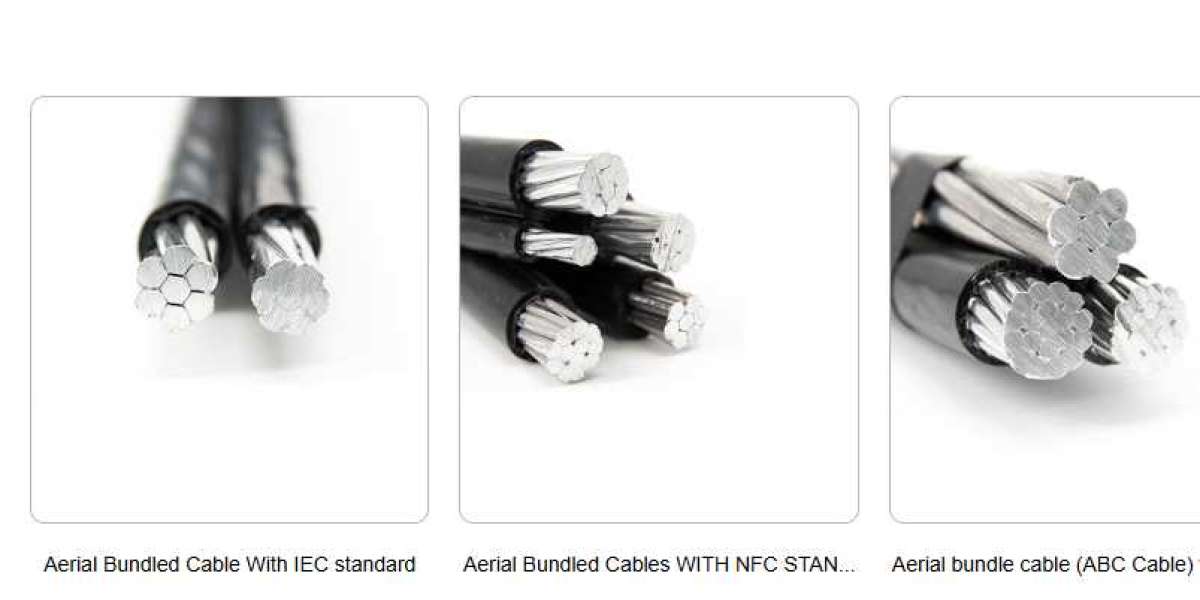
- ABC cables
- LV power cables
- Concentric cables
The company focuses on strict quality control, international manufacturing standards, and reliable project support for modern transmission and distribution systems.
Whether the requirement involves rural electrification, utility grid expansion, industrial infrastructure, or renewable energy integration, HNBF Power provides customized conductor solutions designed for long-term operational reliability.
Conclusion
Bare conductors remain one of the most important components in modern power transmission and distribution infrastructure. Their combination of electrical efficiency, mechanical strength, cost-effectiveness, and reliability makes them ideal for utility and industrial applications worldwide.
Choosing the right conductor type depends on project conditions, voltage requirements, environmental exposure, and long-term operational goals. By partnering with an experienced manufacturer, utilities and EPC contractors can improve network reliability while reducing maintenance and operational costs.
For customized bare conductor solutions, technical support, and international supply services, contact HNBF Power today.
FAQs
What is the difference between AAC and ACSR conductors?
AAC conductors are made entirely of aluminum and offer high conductivity, while ACSR conductors include a steel core for additional mechanical strength and long-span applications.
Where are bare conductors commonly used?
Bare conductors are mainly used in overhead transmission lines, distribution networks, substations, industrial facilities, and renewable energy projects.
Why is aluminum commonly used in bare conductors?
Aluminum provides excellent conductivity, lightweight performance, corrosion resistance, and cost efficiency compared with many alternative materials.
Which bare conductor is best for coastal environments?
AAAC conductors are often preferred for coastal and corrosive environments because of their superior corrosion resistance.
How do I choose the correct bare conductor for a project?
Selection depends on voltage level, mechanical load requirements, environmental conditions, span length, current capacity, and compliance with international standards.