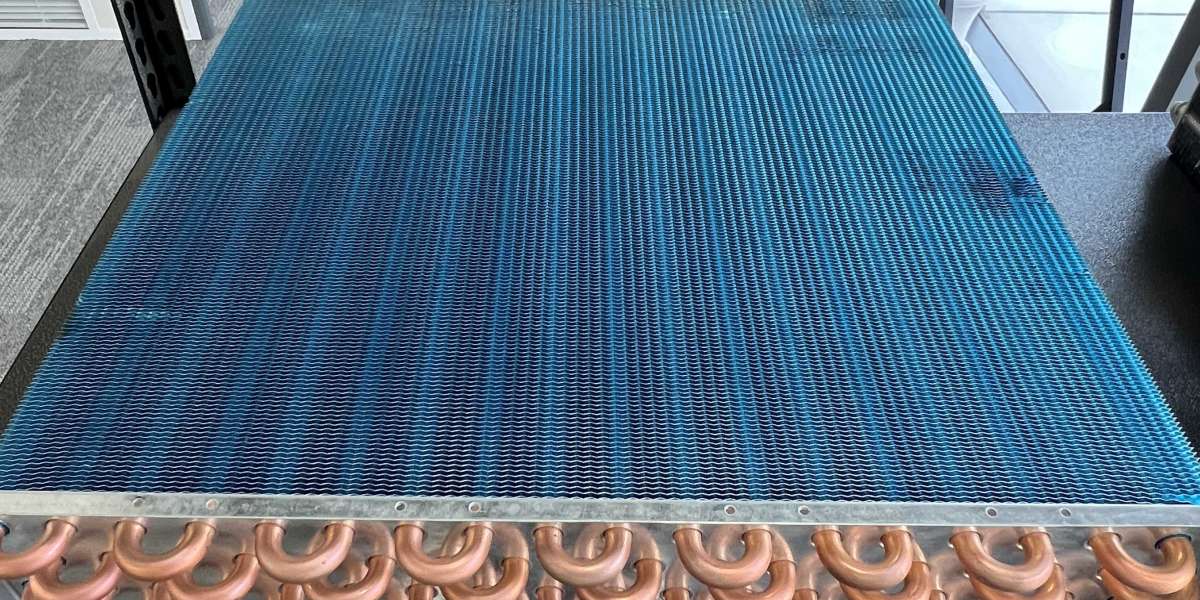

A heat exchanger is an efficient thermal transfer device designed to transmit heat between two or more fluids without direct mixing. Equipped with simple structures, stable performance and outstanding energy-saving capabilities, it has become an indispensable piece of equipment in modern industry, civil life and high-tech fields. With the continuous advancement of thermal engineering technology, heat exchangers have been constantly optimized in types and structures, expanding their application scope across diverse sectors and playing a vital role in energy utilization and temperature regulation.
The power generation industry is one of the most important application scenarios for heat exchangers. In traditional fossil fuel power plants and nuclear power stations, these devices undertake core heat transfer tasks. They convert the heat generated by fuel combustion or nuclear reactions into steam to drive turbines, while condensers cool the circulating steam to improve energy conversion efficiency. Besides, heat exchangers stabilize the operating temperature of power generation equipment, avoiding overheating damage to mechanical components. By optimizing heat circulation, they effectively reduce energy consumption and enhance the overall power generation efficiency of the power system.
The petroleum and chemical industries also rely heavily on heat exchangers for daily production. In oil refining and natural gas processing, crude oil and chemical fluids require precise temperature control during distillation, condensation and purification processes. Shell-and-tube heat exchangers, widely used in this field, can withstand high pressure and extreme temperatures to ensure smooth chemical reactions. Moreover, these devices recycle waste heat generated in chemical production, converting redundant thermal energy into reusable heat resources. This not only cuts production costs but also minimizes heat waste and industrial pollution.
In daily life and construction fields, heat exchangers bring convenience to people’s lives through HVAC systems. Commercial buildings, residential communities and shopping malls use heat exchangers to regulate indoor temperature and humidity. They realize heat exchange between indoor and outdoor air, recovering heat from exhaust air to warm incoming fresh air in winter and discharging indoor heat outdoors in summer. Household equipment such as water heaters and air conditioners also integrates miniaturized heat exchange components, which greatly reduces household energy consumption and improves living comfort.
Additionally, heat exchangers show excellent performance in many specialized industries. In the automotive industry, radiators serve as typical heat exchangers to cool automobile engines and prevent overheating; they also control the battery temperature of new energy vehicles to extend battery service life. In pharmaceutical and food processing industries, plate heat exchangers conduct gentle and hygienic temperature treatment for vaccines, beverages and dairy products to ensure product safety. In sewage treatment, they maintain a constant temperature for microbial digestion tanks to accelerate pollutant decomposition.
In conclusion, heat exchangers have penetrated nearly all major industries owing to their reliable heat transfer performance and flexible adaptability. They not only guarantee the stable operation of industrial production and mechanical equipment but also promote energy conservation and emission reduction. With the development of new materials and intelligent manufacturing technology, heat exchangers will achieve higher thermal efficiency and wider application coverage. In the future, they will continue to act as a key thermal transfer device, making greater contributions to industrial upgrading and sustainable energy development.