
Hat Embroidery Digitizing Guide for Better Stitch Quality and Branding
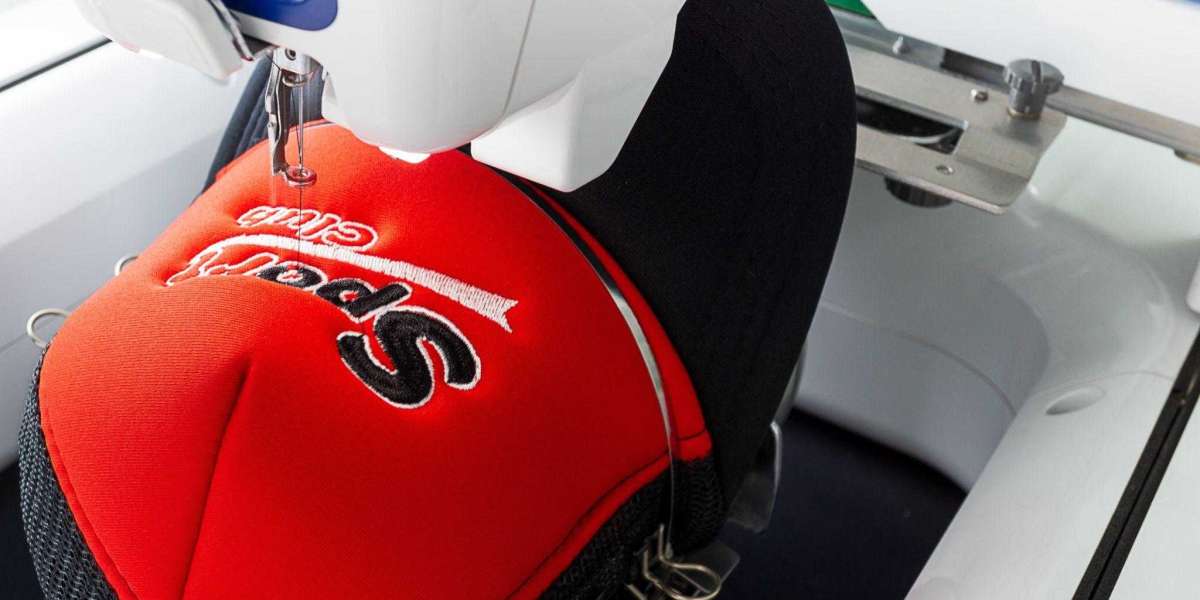
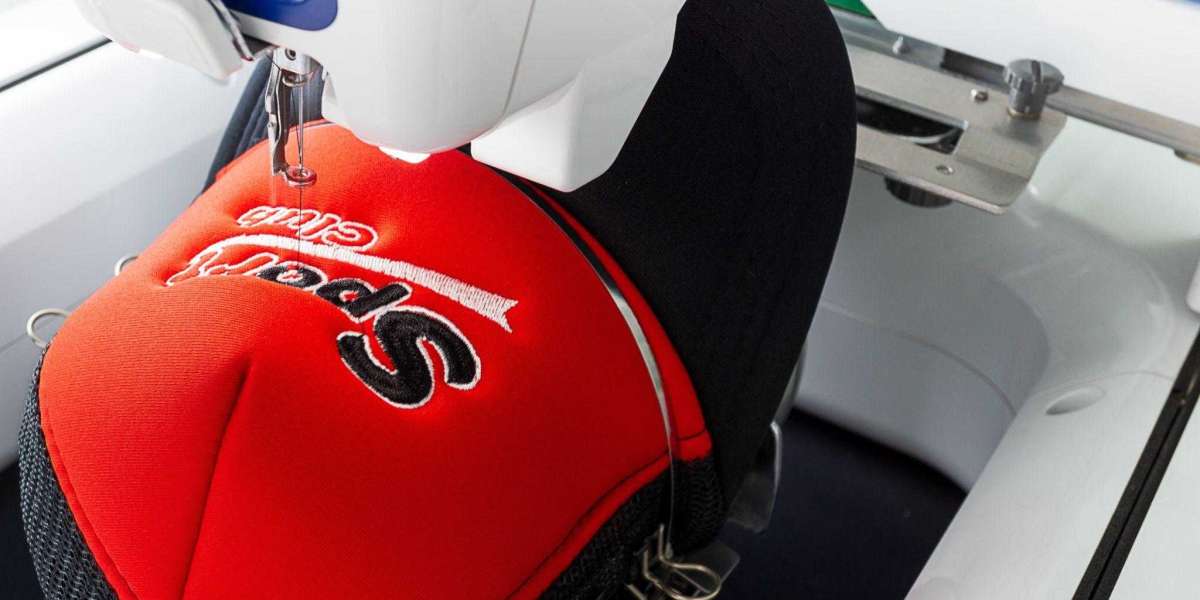
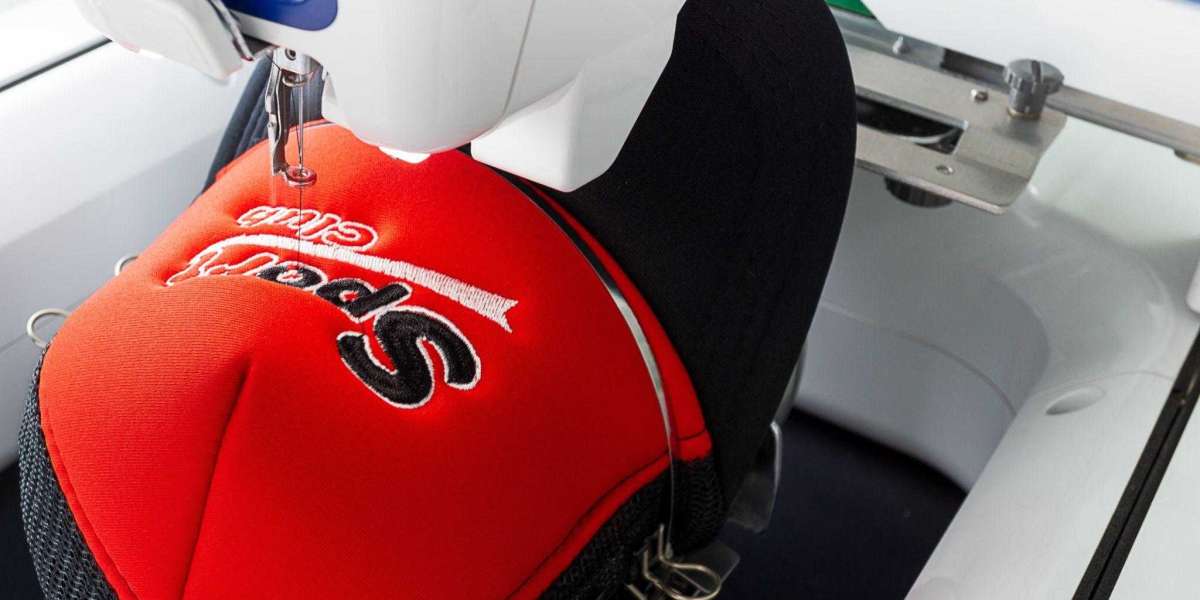
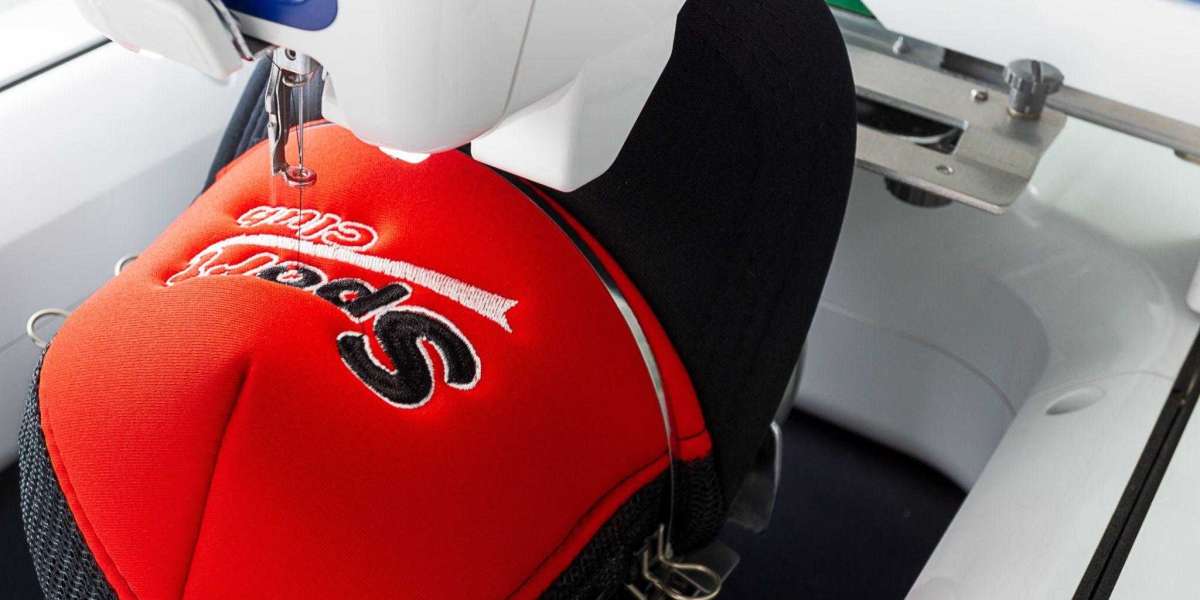
hat embroidery digitizing service is the process of converting artwork, logos, or text into a stitch-ready file that embroidery machines can read and execute on caps and hats. This process plays a critical role in ensuring that the final embroidered product looks clean, balanced, and professional. Without proper digitizing, even the best logo can appear distorted, uneven, or unreadable when stitched on curved surfaces like hats.
Many businesses, sports teams, and apparel brands rely on embroidery to create a strong identity. Hats are one of the most popular items for branding because they are visible, durable, and widely used in everyday wear. However, stitching designs on caps is more complex than flat garments due to their curved structure and limited embroidery space. This is where digitizing becomes essential for achieving high-quality results.
Why Hat Embroidery Requires Specialized Digitizing
Unlike flat fabrics, hats have a structured and curved surface that affects how stitches lay on the material. If a design is not properly prepared, it may lead to issues such as puckering, misalignment, or distorted lettering.
Professional digitizing ensures:
- Correct stitch direction for curved surfaces
- Proper density adjustment to avoid fabric damage
- Balanced spacing for readable text
- Clean outlines for logos and emblems
Each of these factors contributes to a finished product that looks sharp and lasts longer. Poor digitizing, on the other hand, often results in wasted material, machine errors, and unsatisfactory branding outcomes.
Key Elements of High-Quality Hat Embroidery Files
Creating embroidery-ready files involves more than just converting an image. It requires technical expertise and an understanding of how stitches behave on different materials.
1. Stitch Density Control
Too many stitches can make the fabric stiff and cause thread breaks, while too few stitches can leave gaps. Proper balance ensures smooth embroidery without damaging the hat structure.
2. Underlay Stitches
Underlay acts as a foundation for the design. It stabilizes the fabric and ensures top stitches stay in place. This is especially important for curved cap panels.
3. Pull Compensation
Fabric tends to shift slightly during stitching. Pull compensation adjusts for this movement so the final design maintains correct proportions.
4. Proper Pathing
Efficient stitch sequencing reduces machine jumps and thread trims, making the embroidery process smoother and faster.
Common Problems in Hat Embroidery Projects
Many embroidery issues come from poorly prepared design files rather than machine faults. Some of the most common problems include:
- Misaligned logos on curved panels
- Letters appearing too tight or unreadable
- Thread breaks due to incorrect density
- Design distortion after stitching
These issues often lead to rework, higher production costs, and client dissatisfaction. Proper digitizing helps prevent these problems before production even begins.
How Professional Digitizing Improves Results
A well-prepared embroidery file ensures consistency across multiple hats and batches. This is especially important for businesses that produce bulk orders for uniforms, promotional giveaways, or retail sales.
A properly structured digitized file helps in:
- Reducing machine downtime
- Improving stitch accuracy
- Maintaining design consistency
- Increasing production efficiency
This makes embroidery not only visually better but also more cost-effective in the long run.
Design Considerations for Caps and Hats
When preparing artwork for embroidery on hats, several design limitations must be considered:
- Small embroidery area compared to shirts or jackets
- Front panel curvature affects alignment
- Limited detail visibility at small sizes
- Thread color contrast requirements
Simple and bold designs usually perform better on caps. Fine details or gradients often need to be simplified during digitizing to ensure clarity.
Material Impact on Embroidery Quality
Different hat materials react differently to stitching. Common materials include cotton, polyester, and structured foam panels. Each requires specific digitizing adjustments:
- Cotton: more flexible, requires balanced tension
- Polyester: smooth but prone to puckering if over-stitched
- Foam caps: need special puff techniques for raised effects
Understanding material behavior helps ensure that the final embroidery remains durable and visually appealing.
Importance of Precision in Embroidery Preparation
Precision in digitizing determines how well a design translates from screen to fabric. Even minor errors in stitch angles or spacing can significantly affect the final appearance.
A properly prepared file ensures:
- Smooth curves instead of jagged edges
- Even stitching across all design elements
- Proper alignment on cap panels
- Professional-grade finish suitable for branding
This level of accuracy is essential for businesses that want consistent quality across multiple orders.
Cost and Efficiency Benefits
Investing in professional digitizing reduces long-term production costs. While low-quality files may seem cheaper initially, they often lead to wasted materials, machine errors, and repeated production runs.
High-quality digitizing improves:
- Production speed
- Material efficiency
- Thread usage optimization
- Customer satisfaction
This makes it a valuable part of any embroidery workflow, especially for commercial use.
Conclusion
Proper digitizing is the foundation of successful cap embroidery projects. It ensures that designs are accurately translated into stitch files that work efficiently with embroidery machines while maintaining visual quality and durability. When done correctly, it eliminates common production issues and enhances overall branding impact. A reliable embroidery setup always depends on precise file preparation, especially for structured items like hats, where even small errors can significantly affect the final outcome.