
In today’s rapidly expanding power infrastructure, the demand for safe, efficient, and durable power transmission solutions is higher than ever. Among the most widely used components in electrical distribution networks is the overhead cable, which plays a critical role in delivering electricity from substations to industrial, commercial, and residential areas.
For engineers and procurement teams, selecting the right overhead cable is not just a technical decision—it directly impacts system reliability, maintenance cost, and long-term operational efficiency. This article explores everything you need to know about overhead cables, their types, applications, and key selection factors, with insights from HNBF Power, a global manufacturer of advanced power transmission conductors and cables.
What is an Overhead Cable?
An overhead cable is an electrical conductor installed above ground on poles or towers for power transmission and distribution. Unlike underground cables, overhead systems are more cost-effective and easier to install and maintain, especially in long-distance and rural electrification projects.
Overhead cables are designed to withstand environmental stress such as wind, rain, temperature variations, and mechanical tension while maintaining consistent electrical performance.
They are commonly used in:
- Power transmission networks
- Rural electrification projects
- Urban distribution systems
- Industrial power supply infrastructure
Types of Overhead Conductors and Cables
Different applications require different conductor materials and structures. The most commonly used overhead cables include:
1. AAC (All Aluminium Conductor)
AAC is made entirely of aluminum strands and is ideal for short-span urban distribution lines. It offers good conductivity but lower tensile strength.
2. AAAC (All Aluminium Alloy Conductor)
AAAC provides better mechanical strength and corrosion resistance compared to AAC, making it suitable for coastal and industrial environments.
3. ACSR (Aluminium Conductor Steel Reinforced)
ACSR is one of the most widely used overhead conductors. It combines high-strength steel cores with aluminum strands, offering excellent balance between conductivity and tensile strength.
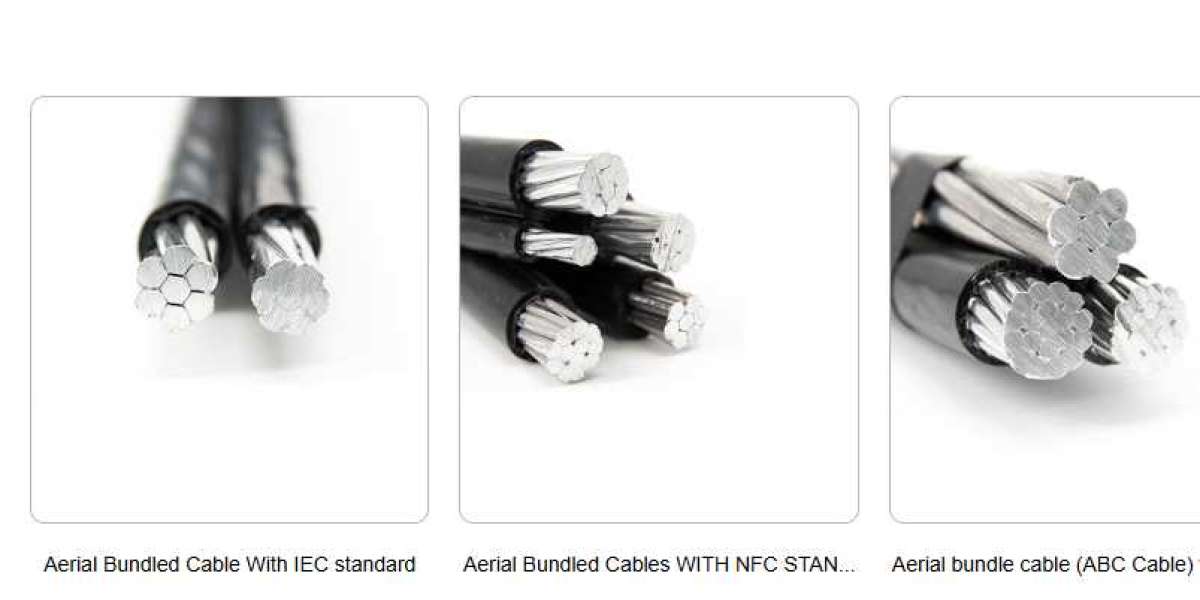
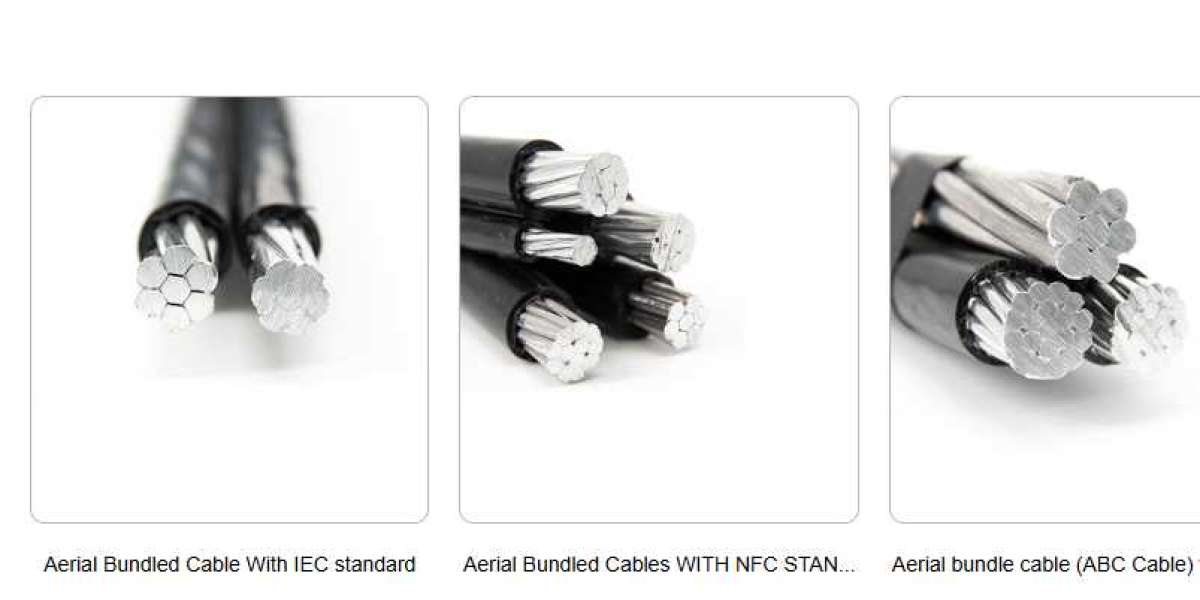
4. ABC (Aerial Bundled Cable)
ABC cables are insulated overhead cables designed for safety and reduced power loss. They are widely used in urban and densely populated areas.
5. LV Power Cable (Low Voltage Overhead Systems)
These cables are used for final distribution to residential and commercial consumers, ensuring safe and stable electricity delivery.
Each type is engineered for specific mechanical and electrical performance requirements, making proper selection essential for project success.
Key Applications of Overhead Cables
Overhead cables are used in a wide range of power infrastructure projects, including:
- High-voltage transmission lines
- Substation interconnections
- Urban and rural distribution networks
- Industrial power supply systems
- Renewable energy integration (solar and wind farms)
Their versatility makes them a foundational element in global power infrastructure development.
Important Technical Considerations
When selecting overhead cables for a project, engineers and procurement specialists must evaluate several critical factors:
Electrical Conductivity
High conductivity ensures efficient power transfer with minimal energy loss. Aluminum-based conductors are widely preferred for their balance of cost and performance.
Mechanical Strength
Overhead cables must withstand tension, wind load, ice accumulation, and long-span installations without sagging or breaking.
Sag and Tension Control
Proper sag design ensures safety clearance while maintaining mechanical stability under varying weather conditions.
Corrosion Resistance
In coastal or industrial environments, corrosion-resistant materials like AAAC are essential for long service life.
Thermal Performance
Cables must handle varying load conditions without excessive heating, which can reduce efficiency and lifespan.
Why Manufacturing Quality Matters
The performance of an overhead cable depends heavily on material quality and manufacturing precision. Poorly manufactured conductors can lead to energy loss, frequent maintenance, and even system failure.
HNBF Power focuses on delivering high-performance overhead conductors including AAC, AAAC, ACSR, and ABC cables designed for global utility standards. With strict quality control processes and advanced production technology, HNBF Power ensures:
- Consistent conductor diameter and stranding accuracy
- High mechanical tensile strength
- Superior electrical conductivity
- Long-term corrosion resistance
- Compliance with international standards
For utility companies, EPC contractors, and infrastructure developers, choosing a reliable manufacturer like HNBF Power reduces lifecycle costs and improves grid stability.
How to Choose the Right Overhead Cable
For procurement teams and engineers, selecting the right cable involves balancing technical and economic factors:
- Define voltage level and load requirements
- Evaluate environmental conditions (temperature, humidity, coastal exposure)
- Consider span length and mechanical stress
- Assess long-term maintenance costs
- Choose certified and tested manufacturers
A well-matched overhead cable ensures system efficiency, reduced downtime, and improved return on infrastructure investment.
FAQs
1. What is the main purpose of overhead cables?
Overhead cables are used to transmit and distribute electrical power over long distances in a cost-effective and efficient manner.
2. Which overhead cable is most commonly used?
ACSR is one of the most widely used overhead conductors due to its strong balance between conductivity and mechanical strength.
3. What is the difference between AAC and AAAC cables?
AAC is pure aluminum and best for short spans, while AAAC is aluminum alloy with higher strength and better corrosion resistance.
4. Are overhead cables safe in urban areas?
Yes, especially ABC cables, which are insulated and designed for safer installation in densely populated regions.
5. How do I select the right overhead cable for my project?
Selection depends on voltage level, environmental conditions, mechanical load, and long-term operational requirements.
Conclusion
Overhead cables remain a cornerstone of modern electrical transmission and distribution systems. From rural electrification to high-capacity industrial grids, the right conductor ensures reliability, efficiency, and long-term performance.
With advanced manufacturing capabilities and a strong commitment to quality, HNBF Power continues to support global infrastructure projects with durable and efficient overhead cable solutions designed for modern energy demands.
Contact HNBF Power
For customized overhead cable solutions including AAC, AAAC, ACSR, and ABC conductors, connect with HNBF Power to discuss your project requirements and technical specifications.