
Copper tube has long been recognized as a versatile and reliable material in various industries, thanks to its unique combination of properties—excellent thermal conductivity, strong corrosion resistance, high durability, and easy processability. From residential buildings to industrial facilities, from daily life to high-tech fields, copper tube plays an irreplaceable role, proving its wide adaptability and practical value. This article explores the diverse applications of copper tube across different scenarios, highlighting its significance in modern society.
In the construction industry, copper tube is a cornerstone material, especially in plumbing and HVAC (Heating, Ventilation, and Air Conditioning) systems. For potable water supply, copper tube is the preferred choice due to its antimicrobial properties and corrosion resistance, which prevent the growth of bacteria and ensure the safety of drinking water for decades. It is available in different types to suit various needs: Type K, with the thickest walls, is ideal for underground water mains and high-pressure applications, while Type L, the most commonly used, is suitable for interior hot and cold water lines. In HVAC systems, soft copper tube is widely used for refrigerant lines in split-system air conditioners and heat pumps, as it can be easily bent to navigate obstacles, and its superior thermal conductivity ensures efficient heat transfer between indoor and outdoor units. Additionally, copper tube is also used in fire sprinkler systems, where its high pressure resistance and durability help protect buildings from fire hazards.
The industrial sector is another major field where copper tube excels. In chemical and petrochemical plants, copper tube is used to transport corrosive liquids and gases, as it can withstand harsh chemical environments without degradation. Its excellent thermal conductivity also makes it suitable for heat exchangers, which are essential in chemical processing, power generation, and refrigeration industries. In marine environments, copper tube is highly valued for its resistance to seawater corrosion, being used in shipboard plumbing, condensers, and auxiliary heat exchangers to ensure the normal operation of marine equipment. Moreover, in the food and beverage industry, copper tube is used to convey process fluids for beer, spirits, and sugar refining, as it is non-toxic and does not contaminate the products.
Beyond construction and industry, copper tube also finds applications in medical and automotive fields. In medical facilities, copper tube is used for non-flammable medical gas systems, such as oxygen and nitrogen distribution, due to its airtightness and corrosion resistance, which are critical for ensuring patient safety. In the automotive industry, copper tube is an essential component of car radiators and air conditioning systems, where its thermal conductivity helps dissipate heat efficiently and maintain the vehicle’s operating temperature stability. Additionally, with the development of renewable energy, copper tube is increasingly used in solar heating systems, where it facilitates heat transfer from solar collectors to domestic hot water tanks, contributing to energy conservation and environmental protection.
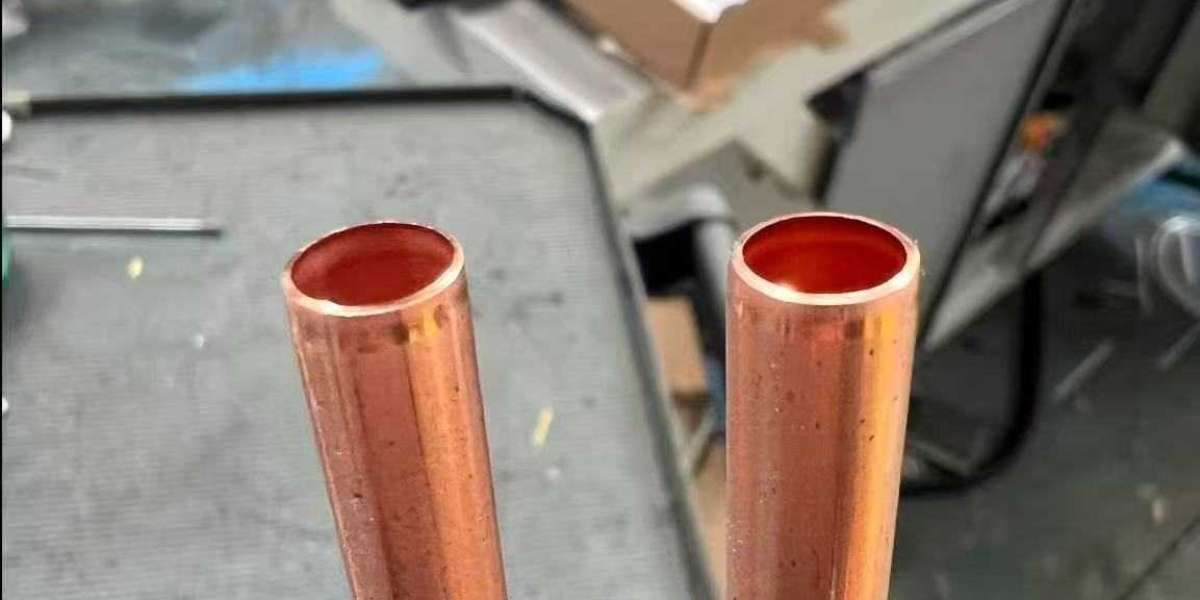
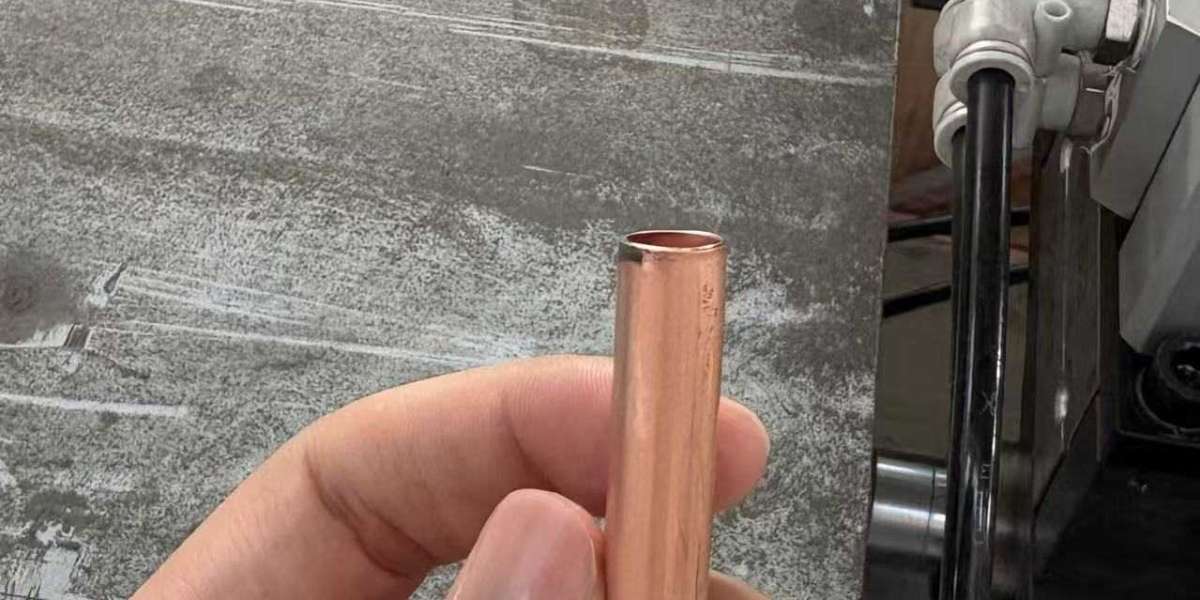
The widespread use of copper tube is closely linked to its outstanding properties and diverse types. It can be divided into drawn (hard) and annealed (soft) tempers, each suitable for different scenarios: soft copper is flexible for complex layouts, while rigid copper is sturdy for high-pressure applications. Its various connection methods, including soldering, brazing, and compression, make it easy to install in different environments. Despite the emergence of alternative materials, copper tube remains irreplaceable in many fields due to its long service life, low maintenance costs, and environmental friendliness—copper is 100% recyclable, aligning with the global pursuit of sustainable development.
In conclusion, copper tube’s multi-scene applications reflect its versatility and reliability. From residential plumbing to industrial processing, from medical facilities to automotive systems, it plays a vital role in promoting the smooth operation of various industries and improving people’s quality of life. As technology advances, the applications of copper tube will continue to expand, and its unique properties will help address more challenges in engineering and production, making it a key material in the future of sustainable development.