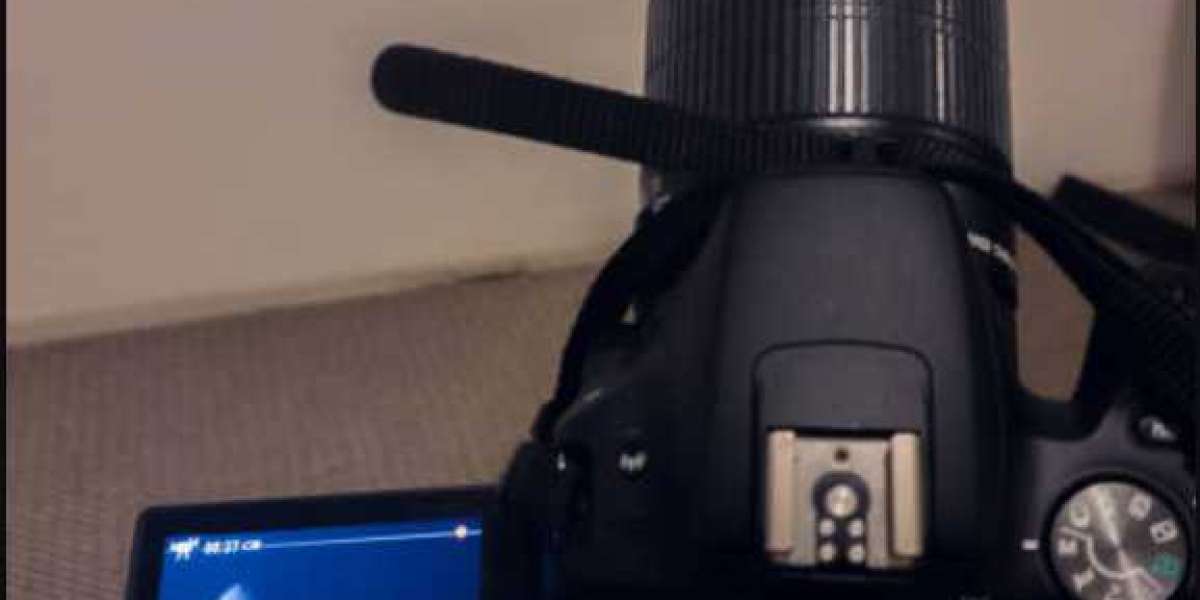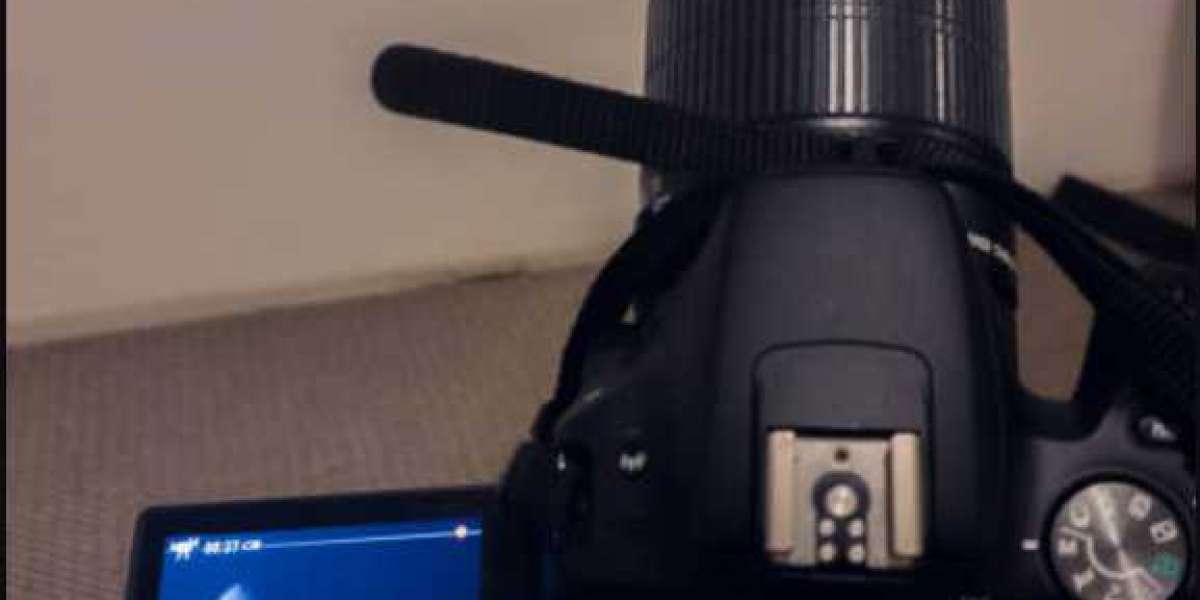

Many amateur astronomers setup their heavy-duty tracking mounts and telescope tubes only to realize that their final images look dim and lifeless. You might think that purchasing a larger telescope or integration software will instantly solve the problem of faded space photos. However, standard consumer digital camera bodies are structurally limited by internal manufacturing filters designed exclusively for daytime use. These built-in factory glass elements actively absorb up to eighty percent of the faint infrared and ultraviolet light rays floating across the night sky. When you are aiming to document ancient interstellar structures, you cannot afford to have your camera body block crucial incoming data signals.
Many beginning astrophotographers assume that simply increasing their total tracking exposure duration can compensate for a lack of camera sensitivity. While longer integration runs help stack background data signals, they also heavily amplify electronic sensor noise and increase tracking error risks. This is precisely where a professional astrophotography camera modification steps in to unleash the true light-gathering potential of your digital imaging body. Investing in an advanced sensor optimization workflow completely removes the restrictive glass layers, allowing faint emission wavelengths to reach the pixel matrix seamlessly. This internal upgrade opens an uninhibited optical pathway that enables your equipment to capture magnificent deep-space targets like faint nebulae with absolute clarity.
How Internal Factory Blue Glass Absorbs Vital Celestial Light
Commercial mirrorless and DSLR camera bodies are factory-tuned to maintain accurate everyday color balances by completely reflecting high-energy infrared and ultraviolet energy. The primary culprit behind this deep-space data block is a multi-layered glass filter commonly known as a hot mirror, positioned directly over the silicon matrix. For backyard astronomers, this internal obstruction acts as an impenetrable wall against faint hydrogen-alpha emission light emitted by distant stellar nurseries. Without a clear hardware intervention, magnificent celestial structures will consistently appear washed out, regardless of how clean your tracking telescope optics are.
Automated technical processes and general camera maintenance workshops are simply not equipped to handle the microscopic calibration needs of an astronomical sensor. Safely opening a modern digital camera body requires specialized clean-room environments to prevent microscopic dust settlement on the naked silicon grid. A single speck of debris resting behind the sensor glass creates large, dark shadows that are almost impossible to correct completely during post-processing calibration workflows. This is why utilizing a dedicated modification service remains entirely necessary for anyone wishing to transform standard consumer hardware into powerful cosmic recording systems.
Achieving Perfect Infinity Focus with Precision Internal Clear Glass
Experienced technical laboratories bring decades of dedicated hardware knowledge to your specific camera modification needs, ensuring that all internal components align down to the micron. When the factory-installed thick blue glass filter is extracted from the internal housing, the overall optical distance that light travels changes immediately. Professional modification processes use precision-milled replacement glass elements to accurately restore the internal refractive index of the camera body. This meticulous calibration ensures that your modified hardware can still achieve sharp infinity focus when paired with complex telephoto lenses or standard tracking telescopes.
When you attempt to modify complex internal camera components using basic field guides or generic tools, you risk causing permanent electrical damage to sensitive circuit ribbons. Professional laboratories operate under strict static-shielded guidelines and provide comprehensive diagnostic testing before returning your upgraded imaging gear. Furthermore, an expert technician calibrates the internal sensor housing to prevent a highly destructive optical issue known as sensor tilt. Keeping the silicon plane perfectly parallel with the telescope optical line ensures your stars remain entirely round and crisp across your entire framing from corner to corner.
Maximizing System Performance with Specialized Astro Imaging Accessories
Transitioning to an optimized, wide-spectrum camera body changes how you manage your target selection and filtration strategies in the field. Because the modified sensor is fully receptive to an expansive range of the electromagnetic spectrum, incorporating specialized clip-in or screw-on filters becomes highly effective. Utilizing premium multi-band or light-pollution rejection filters allows you to isolate targeted chemical signatures like ionized hydrogen and oxygen. This level of control empowers you to pull intricate details out of bright city skies, expanding your overall observing options significantly.
Working alongside experienced technical teams helps take the guesswork out of building a dependable, budget-conscious imaging system. Professionals provide expert guidance tailored to your specific observational goals, whether you are tracking bright solar system targets or faint, distant galaxies. They help you pair your newly modified camera body with high-grade optical instruments, accessories, and heavy-duty tracking mounts that complement your hardware. This structured approach to system configuration prevents common compatibility errors, keeping your equipment running at peak performance throughout long observing sessions.
Conclusion
Unlocking the hidden beauty of deep-space emission nebulae requires a flawless approach to hardware optimization and absolute light transmission. Leaving your camera sensor restricted by factory filters limits your capability to gather faint, ancient astronomical wavelengths. Investing in a professional wide-spectrum sensor modification is the ultimate way to ensure your digital system processes the cosmos with supreme clarity.