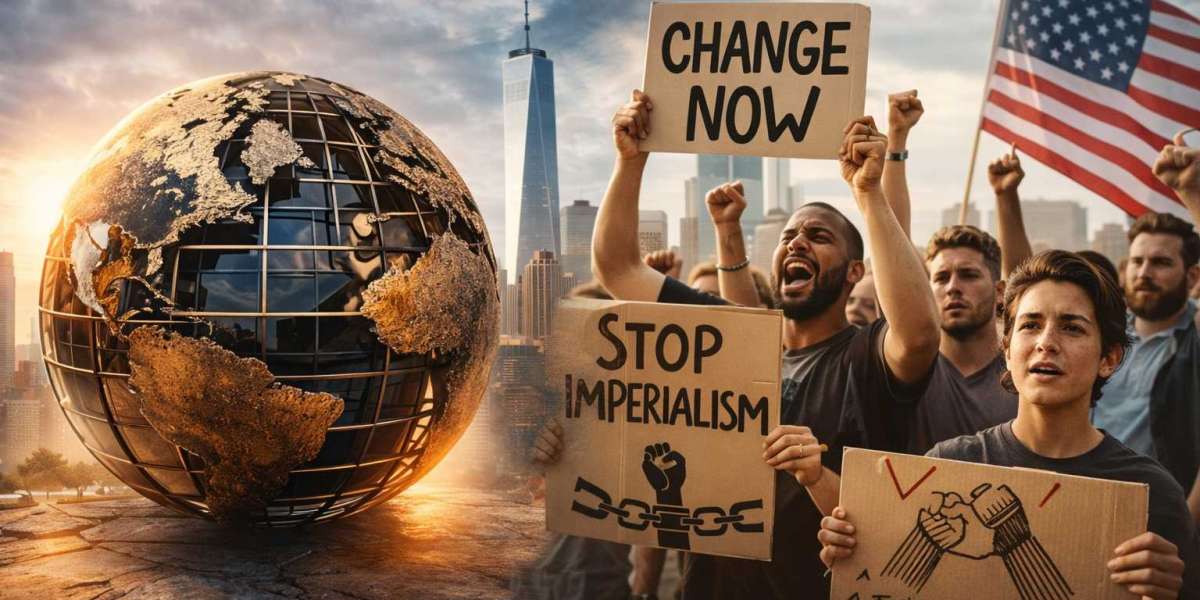

Imperialism is often associated with history books and colonial empires, but many experts believe it still exists in different forms today. Instead of conquering territories and establishing colonies, powerful nations now extend their influence through trade, finance, technology, diplomacy and military partnerships.
The methods have changed, but the debate remains the same. Some people argue these relationships encourage development and global cooperation, while others believe they allow stronger countries to shape the policies and economies of weaker nations.
Looking at examples of imperialism today helps us understand how international influence continues to affect politics, security and economic development across the world.
What Does Imperialism Today Mean?
Imperialism today refers to the ability of a powerful country to influence another nation without directly ruling it. This influence can be economic, political, military, technological or cultural.
Unlike colonial empires of the past, modern governments rarely annex foreign territory. Instead, influence is often built through investments, strategic partnerships, trade agreements, international organizations and access to advanced technology.
This approach allows countries to strengthen their global position while maintaining formal respect for national sovereignty.
How Imperialism Has Changed Over Time
Traditional imperialism focused on territorial expansion. European powers controlled colonies across Africa, Asia, and the Americas, often governing local populations directly.
Today's world operates differently.
International law recognizes national independence, making direct colonial rule uncommon. As a result, countries rely on economic cooperation, diplomatic relationships, global markets and technological leadership to expand their influence.
This shift explains why discussions about imperialism today examples are often more complex than historical comparisons.
Examples of Imperialism Today
Several situations are commonly discussed when examining imperialism examples today.
Foreign Investment and Infrastructure Projects
Many developed nations invest billions of dollars in roads, ports, railways, energy facilities and communication networks across developing countries.
These projects can improve transportation, create jobs and increase trade opportunities. At the same time, critics argue that heavy financial dependence may reduce a country's ability to make independent economic decisions.
Economic Sanctions
Economic sanctions have become an important foreign policy tool.
Instead of using military force, governments may restrict trade, financial transactions or access to international markets in an effort to influence another country's behavior.
Supporters view sanctions as peaceful alternatives to war, while critics argue they sometimes place significant pressure on civilian populations.
Global Military Presence
Many major powers maintain military bases outside their own borders.
These bases support regional security, military cooperation, disaster response and international peacekeeping missions.
Others believe they also increase geopolitical influence by strengthening long-term strategic relationships.
Competition for Natural Resources
Natural resources remain central to international politics.
Oil, natural gas, lithium, cobalt, rare earth minerals, and freshwater supplies are essential for economic growth and technological development.
Countries often compete for access to these resources through investment, diplomacy and long-term agreements.
Examples of Modern Imperialism in Technology
Technology has become one of the strongest forms of global influence.
Countries leading in artificial intelligence, semiconductor production, satellite systems, cloud computing and telecommunications often shape international standards.
Technology companies also influence how billions of people communicate, conduct business, access information and store digital data.
Some researchers describe this trend as digital imperialism because technological dependence can affect national policies and economic decisions.
Financial Institutions and Global Influence
International financial institutions provide loans and development assistance to countries facing economic challenges.
These programs often help stabilize economies, improve infrastructure and support public services.
However, governments receiving financial assistance may also be required to implement economic reforms or policy changes.
Supporters believe these reforms encourage stability, while critics argue they sometimes reduce national economic flexibility.
Cultural Influence Around the World
Imperialism is not limited to politics and economics.
Movies, music, fashion, social media, education and entertainment also shape international culture.
Popular media influences consumer behavior, language, lifestyles and public opinion across borders.
This type of influence is often called soft power because it encourages change through attraction rather than force.
Why Countries Expand Their Global Influence
Every nation seeks to protect its interests.
Economic growth depends on stable markets, secure trade routes and reliable supplies of raw materials.
Political influence strengthens diplomatic partnerships and international cooperation.
Military alliances improve national security and regional stability.
Technological leadership supports innovation and long-term economic competitiveness.
These objectives explain why countries invest significant resources in expanding their international presence.
Is Every International Partnership Imperialism?
No.
Not every trade agreement or foreign investment should automatically be considered imperialism.
Many international partnerships provide mutual benefits for both countries.
Infrastructure development, educational exchanges, healthcare cooperation, scientific research and disaster relief often improve the lives of millions of people.
The debate usually focuses on whether both sides benefit equally or whether one country gains disproportionate influence over the other.
Why Experts Disagree
There is no universal agreement on what qualifies as modern imperialism.
Some scholars argue that globalization naturally increases cooperation between nations.
Others believe unequal economic power creates relationships that resemble historical imperialism even without colonial rule.
Different political systems, historical experiences, and national interests often shape these opinions.
Because of these differences, the same international project may be viewed positively by one group and negatively by another.
Challenges for Smaller Nations
Smaller countries face unique challenges in maintaining independence while participating in the global economy.
Many governments diversify trade partners instead of relying on one major power.
Regional organizations also help member countries negotiate more effectively on economic and political issues.
Investing in education, innovation, and domestic industries allows nations to strengthen their long-term independence while remaining active participants in international trade.
The Future of Imperialism
As technology continues to evolve, future competition may focus less on land and more on innovation.
Artificial intelligence, renewable energy, cybersecurity, semiconductor manufacturing, digital currencies and space exploration are becoming increasingly important areas of strategic competition.
Countries that lead these industries may hold greater influence over global economic and political systems in the years ahead.
Rather than traditional empires, the future may be defined by competition for technology, information, and global connectivity.
Conclusion
Imperialism has changed significantly since the colonial era, but international influence remains an important part of global politics. Today's examples of imperialism today are often found in economics, finance, technology, diplomacy, military partnerships, and cultural influence rather than territorial conquest.
Some observers see these developments as opportunities for cooperation and shared growth, while others believe they create unequal relationships between powerful and developing nations. Understanding both perspectives provides a clearer view of how international politics operates in the modern world and why debates about imperialism continue to shape global discussions.