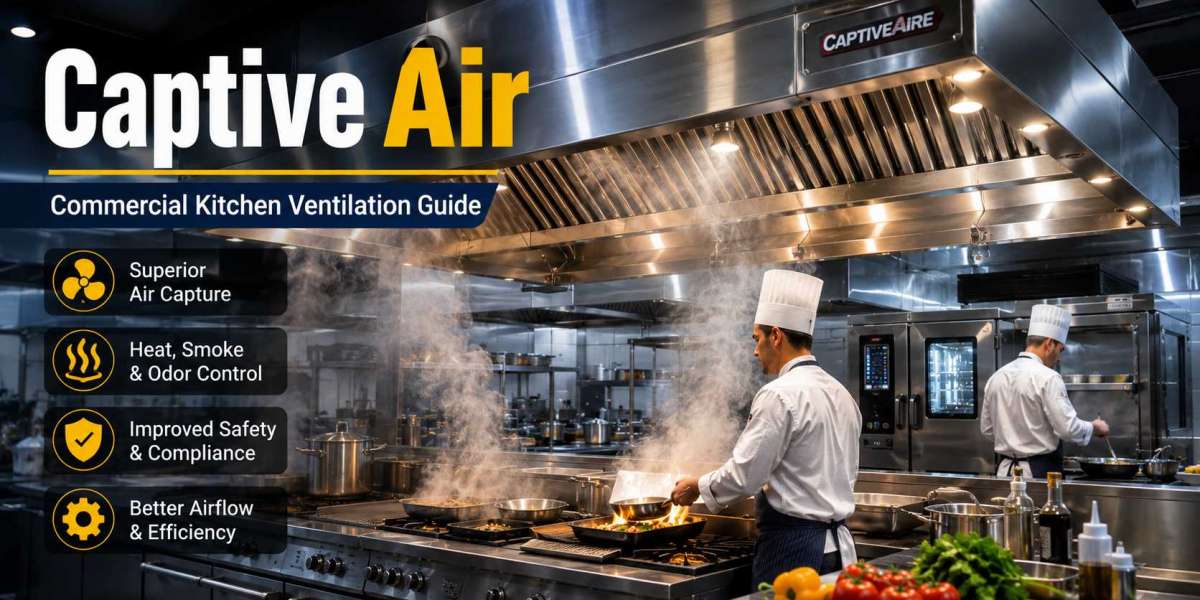

Proper ventilation is one of the most critical components of a safe and efficient commercial kitchen. Whether you operate a restaurant, hotel, cafeteria, bakery, cloud kitchen, catering business, or food truck, investing in a reliable Captive Air ventilation system helps maintain clean air, improve workplace safety, and comply with health and fire regulations. Commercial kitchens generate smoke, grease, steam, heat, and airborne contaminants every day, making a high-quality ventilation system essential for smooth operations.
Captive Air systems are designed to remove cooking byproducts efficiently while supplying fresh air back into the kitchen. These systems help improve indoor air quality, reduce grease buildup, enhance employee comfort, and protect valuable cooking equipment. By maintaining proper airflow and temperature control, Captive Air solutions contribute to a healthier work environment and more efficient kitchen operations.
This guide explores everything you need to know about Captive Air systems, including their benefits, components, features, applications, maintenance, and how to choose the right ventilation solution for your commercial kitchen.
What Is Captive Air?
Captive Air refers to commercial kitchen ventilation systems designed to remove heat, smoke, grease, steam, and odors generated during food preparation. These systems combine exhaust hoods, exhaust fans, make-up air units, and advanced airflow controls to maintain balanced air circulation inside commercial kitchens.
Captive Air ventilation systems are commonly installed in:
Restaurants
Hotels
Cafeterias
Bakeries
Food trucks
Cloud kitchens
Hospitals
Schools
Catering facilities
Institutional kitchens
These systems play a vital role in maintaining food safety, employee comfort, and regulatory compliance.
Why Captive Air Systems Are Important
Commercial cooking equipment produces large amounts of heat and airborne grease that can negatively affect kitchen safety and productivity if not properly controlled.
Major benefits of Captive Air systems include:
Improved indoor air quality
Better employee comfort
Enhanced fire safety
Reduced grease accumulation
Consistent kitchen temperatures
Improved energy efficiency
Protection of cooking equipment
Compliance with health and building regulations
A properly designed ventilation system creates a safer and more comfortable working environment for kitchen staff.
Main Components of a Captive Air System
A commercial kitchen ventilation system consists of several essential components working together.
Exhaust Hood
The exhaust hood captures smoke, grease, steam, and heat directly above cooking equipment before contaminants spread throughout the kitchen.
Exhaust Fan
The exhaust fan removes contaminated air from the building through ductwork, maintaining proper ventilation and airflow.
Make-Up Air Unit
As exhaust fans remove air, make-up air units replace it with filtered outdoor air, maintaining balanced air pressure inside the kitchen.
Grease Filters
Grease filters trap grease particles before they enter the duct system, reducing fire risks and simplifying maintenance.
Fire Suppression System
Many Captive Air systems integrate automatic fire suppression systems that activate in the event of a grease fire, improving kitchen safety.
Types of Captive Air Hoods
Different cooking operations require different hood configurations.
Type I Hoods
Type I hoods are designed for appliances that produce grease and smoke.
Common applications include:
Fryers
Griddles
Charbroilers
Gas ranges
Woks
Salamander broilers
These hoods include grease filters and are compatible with fire suppression systems.
Type II Hoods
Type II hoods are intended for equipment producing heat, steam, and moisture with little or no grease.
Typical applications include:
Dishwashers
Steamers
Pasta cookers
Ovens
Beverage equipment
These systems primarily remove heat and humidity.
Key Features of Captive Air Systems
Modern ventilation systems include advanced technology that improves performance while reducing operating costs.
Important features include:
Stainless steel construction
High-efficiency grease filters
LED hood lighting
Variable-speed fan controls
Digital control panels
Energy-efficient motors
Integrated make-up air systems
Quiet operation
Durable welded construction
Easy-access maintenance panels
These features improve reliability while minimizing maintenance requirements.
Choosing the Right Captive Air System
Several factors should be considered before selecting a commercial ventilation system.
Kitchen Equipment
The type of cooking appliances determines the ventilation capacity required.
Kitchen Size
Larger kitchens typically require more powerful exhaust systems and higher airflow capacity.
Airflow Requirements
Proper airflow ensures smoke and grease are effectively removed while maintaining comfortable working conditions.
Energy Efficiency
Energy-efficient ventilation systems reduce electricity consumption and operating expenses.
Local Regulations
Always ensure the ventilation system complies with local fire, health, and building codes.
Installation Considerations
Professional installation is essential for achieving maximum ventilation performance.
Important installation factors include:
Hood placement
Proper duct sizing
Exhaust fan selection
Fire suppression integration
Make-up air balancing
Electrical connections
Roof-mounted exhaust systems
Accessibility for maintenance
Working with qualified commercial kitchen contractors helps ensure compliance and long-term reliability.
Maintenance Tips
Routine maintenance keeps Captive Air systems operating safely and efficiently.
Recommended maintenance includes:
Clean grease filters regularly.
Wipe hood surfaces daily.
Inspect exhaust ductwork.
Check fan operation.
Replace damaged filters.
Test fire suppression systems.
Clean make-up air units.
Schedule professional inspections.
Preventive maintenance improves performance while reducing repair costs and fire risks.
Benefits of Investing in Captive Air Systems
A high-quality ventilation system provides numerous long-term advantages.
Major benefits include:
Cleaner kitchen environment
Better air circulation
Improved employee productivity
Reduced grease buildup
Lower maintenance costs
Longer equipment lifespan
Better regulatory compliance
Enhanced overall kitchen efficiency
These benefits help businesses operate safely while delivering consistent food quality.
Future Trends in Commercial Kitchen Ventilation
Commercial ventilation technology continues evolving with innovative features focused on efficiency and sustainability.
Emerging trends include:
Smart ventilation controls
Demand-controlled ventilation
Remote system monitoring
Energy-efficient fan motors
Eco-friendly ventilation technology
Internet-connected diagnostics
Automated maintenance alerts
Advanced airflow optimization
These innovations help businesses reduce energy costs while maintaining excellent ventilation performance.
Conclusion
The Horeca Store Captive Air ventilation system is an essential investment for any commercial kitchen that values safety, efficiency, and long-term reliability. By effectively removing smoke, grease, heat, and airborne contaminants, these systems create a cleaner, healthier, and more comfortable environment for employees while helping businesses meet health and fire safety regulations.
Whether you're opening a new restaurant, upgrading an existing kitchen, or designing a food service facility, choosing the right Captive Air solution based on your cooking equipment, kitchen size, and ventilation needs will improve operational efficiency and protect your investment. With proper installation, regular maintenance, and modern energy-efficient technology, a Captive Air system delivers dependable performance that supports successful commercial kitchen operations for years to come.