
Introduction
If you've been searching online for ways to complete your education faster, you've probably come across the term "One Sitting Degree." It is a popular search phrase among working professionals, students with academic gaps, and individuals looking to improve their qualifications for better career opportunities.
However, the term is often misunderstood and sometimes used in misleading advertisements. Before applying for any program, it's important to understand what a one sitting degree actually means, whether it is recognized, and what legitimate educational options are available.
This guide explains everything you need to know about one sitting degrees, including eligibility, admission, recognition, and the alternatives offered by recognized universities.
What Is a One Sitting Degree?
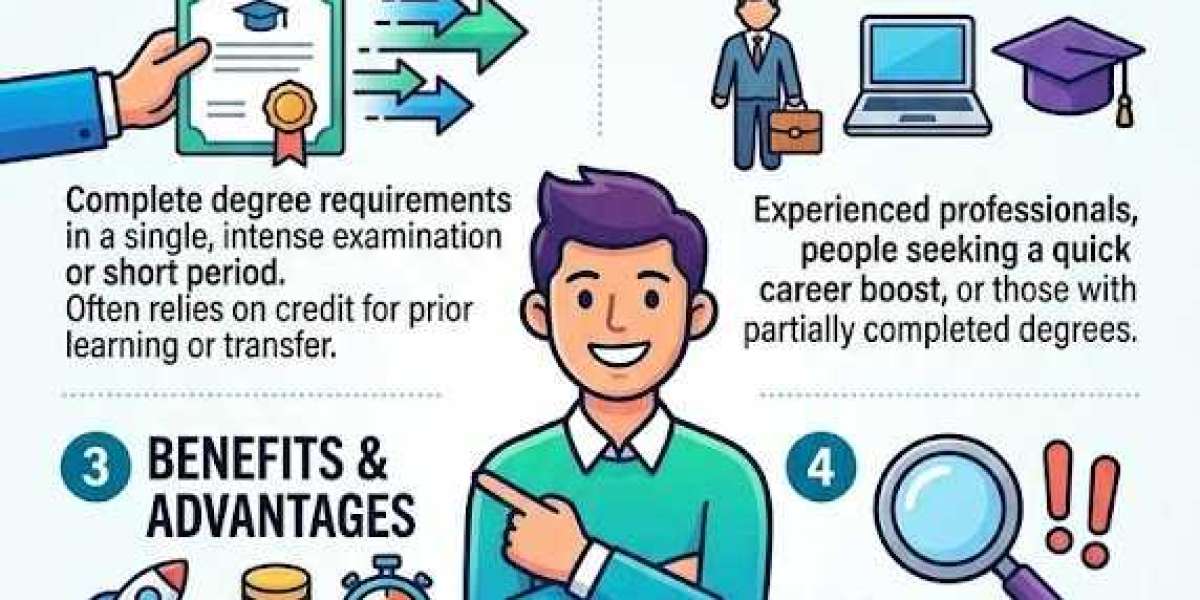
A One Sitting Degree is not a standard academic category defined under India's higher education framework. Instead, it is a term commonly used in marketing to describe certain educational pathways that may allow eligible students to complete pending academic requirements under university rules.
In some cases, these pathways may involve:
- Credit transfer, where permitted
- Recognition of previously completed academic work
- Flexible learning through online or distance education
- Completion of remaining coursework after an academic break
It does not generally mean that a student can legally earn an entire bachelor's or master's degree by appearing for only one examination without fulfilling the university's academic requirements.
Why Do Students Search for One Sitting Degrees?
Many students look for flexible education options because of personal or professional circumstances.
Common reasons include:
- Career advancement
- Promotion requirements
- Government or private job eligibility
- Academic gaps
- Family responsibilities
- Financial constraints
- Desire to complete an unfinished degree
- Preparation for higher education
Flexible learning options can help students continue their education while managing other responsibilities.
Are One Sitting Degrees Valid?
The answer depends on the university, the specific program, and whether it complies with applicable educational regulations.
Regular undergraduate and postgraduate programs have prescribed minimum durations. Students should be cautious of institutions that promise instant degrees, backdated certificates, or graduation through a single examination without meeting academic requirements.
Before enrolling, always verify:
- The university's recognition status
- The course structure
- Admission eligibility
- Examination requirements
- Degree-awarding process
Choosing a recognized institution is essential for academic credibility.
Who Can Benefit from Flexible Learning?
Flexible learning options may be suitable for:
- Working professionals
- Entrepreneurs
- Homemakers
- Students with academic gaps
- Individuals who discontinued college
- Professionals seeking career growth
- Learners preparing for higher education
These programs are designed to make education more accessible while maintaining academic standards.
Legitimate Alternatives to One Sitting Degree Claims
Instead of relying on marketing terms, students should explore recognized educational pathways such as:
Distance Education
Distance learning enables students to study remotely while balancing work and personal commitments.
Online Degree Programs
Many recognized universities now offer online courses with digital classrooms, recorded lectures, and student support.
Credit Transfer
Some universities permit eligible students to transfer previously earned academic credits, reducing duplication of completed coursework.
Lateral Entry
Diploma holders may be eligible for lateral entry into certain professional programs, depending on university and regulatory guidelines.
Recognition of Previous Learning
Some institutions may recognize prior academic study or relevant experience where permitted under their policies.
Popular Graduation Courses
Students can explore a wide range of undergraduate programs, including:
- Bachelor of Arts (BA)
- Bachelor of Commerce (BCom)
- Bachelor of Business Administration (BBA)
- Bachelor of Computer Applications (BCA)
- Bachelor of Science (BSc), where available
Course availability and eligibility vary by university.
Popular Postgraduate Courses
After completing graduation, students may pursue postgraduate programs such as:
- Master of Arts (MA)
- Master of Commerce (MCom)
- Master of Business Administration (MBA)
- Master of Science (MSc)
- Master of Computer Applications (MCA)
- Master of Social Work (MSW)
Admission depends on meeting the university's eligibility requirements.
Admission Process
Although procedures differ between institutions, the admission process generally includes:
- Select a recognized university.
- Choose a suitable course.
- Check the eligibility criteria.
- Complete the application form.
- Upload the required documents.
- Pay the applicable admission fees.
- Complete document verification.
- Receive admission confirmation.
Always follow the official instructions provided by the university.
Documents Required
Most universities require:
- Passport-size photographs
- Aadhaar Card or another government-issued ID
- Class 10 and 12 certificates
- Previous academic mark sheets (if applicable)
- Transfer Certificate or Migration Certificate (where required)
- Address proof
- Category certificate (if applicable)
Document requirements may vary depending on the institution.
Career Opportunities After Graduation
A recognized bachelor's degree can support career opportunities in many sectors, including:
- Information Technology
- Banking and Financial Services
- Retail
- Sales and Marketing
- Business Administration
- Customer Support
- Education
- Healthcare Administration
- Logistics
- Entrepreneurship
Career outcomes depend on your qualifications, skills, experience, and employer requirements.
Tips Before Choosing Any Program
Before taking admission, make sure you:
- Verify the university's recognition.
- Read the official admission guidelines.
- Understand the course duration and curriculum.
- Review the complete fee structure.
- Ask questions about examinations and student support.
- Keep copies of all submitted documents.
A little research before admission can help you avoid future problems.
Frequently Asked Questions
Can I complete an entire graduation degree in one sitting?
Regular bachelor's degree programs generally have prescribed minimum durations. If a university offers a flexible pathway based on prior learning or credit transfer, it will have its own eligibility requirements and academic policies.
Is a one sitting degree accepted for jobs?
Acceptance depends on whether the degree is awarded by a recognized university and whether it complies with applicable regulations. Employers and institutions may have their own eligibility criteria.
Can working professionals continue their education?
Yes. Many recognized universities offer online and distance learning programs that allow working professionals to study while continuing their careers.
How can I avoid fake universities?
Always verify recognition through official regulatory sources, review the university's admission policies, and be cautious of advertisements making unrealistic promises.
Conclusion
The term "One Sitting Degree" is widely searched but often misunderstood. Rather than focusing on marketing claims, students should explore legitimate educational pathways offered by recognized universities, such as online learning, distance education, credit transfer, or other approved academic mechanisms.
Before enrolling, verify the institution's recognition, understand the eligibility criteria, and review the course requirements carefully. Choosing a transparent and recognized educational pathway will help you earn a qualification that supports your long-term academic and professional goals with confidence.