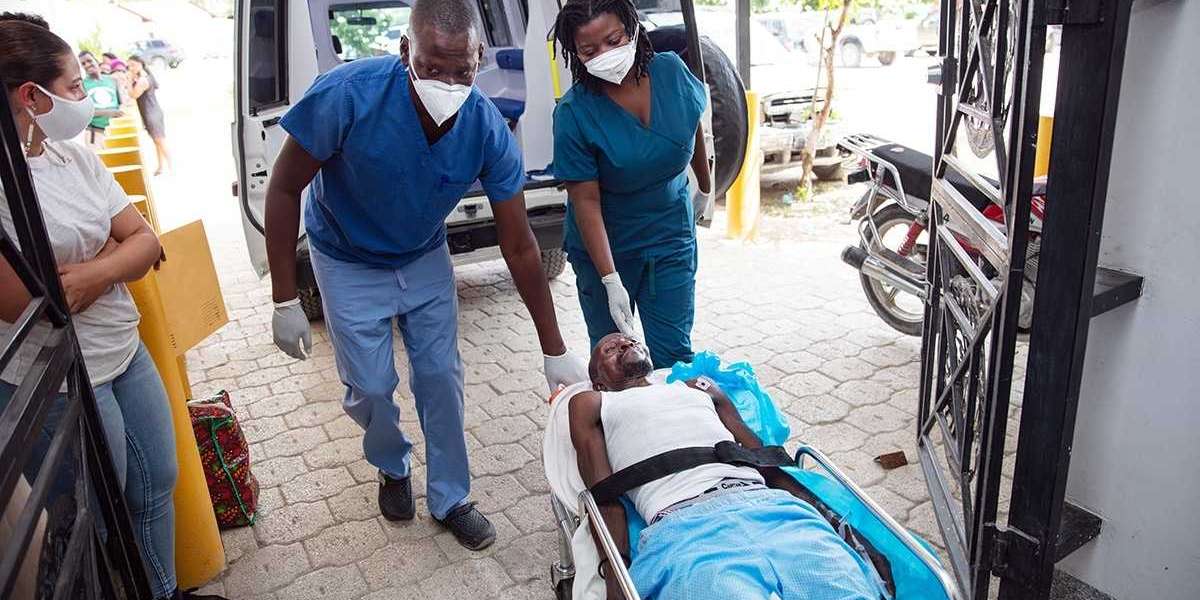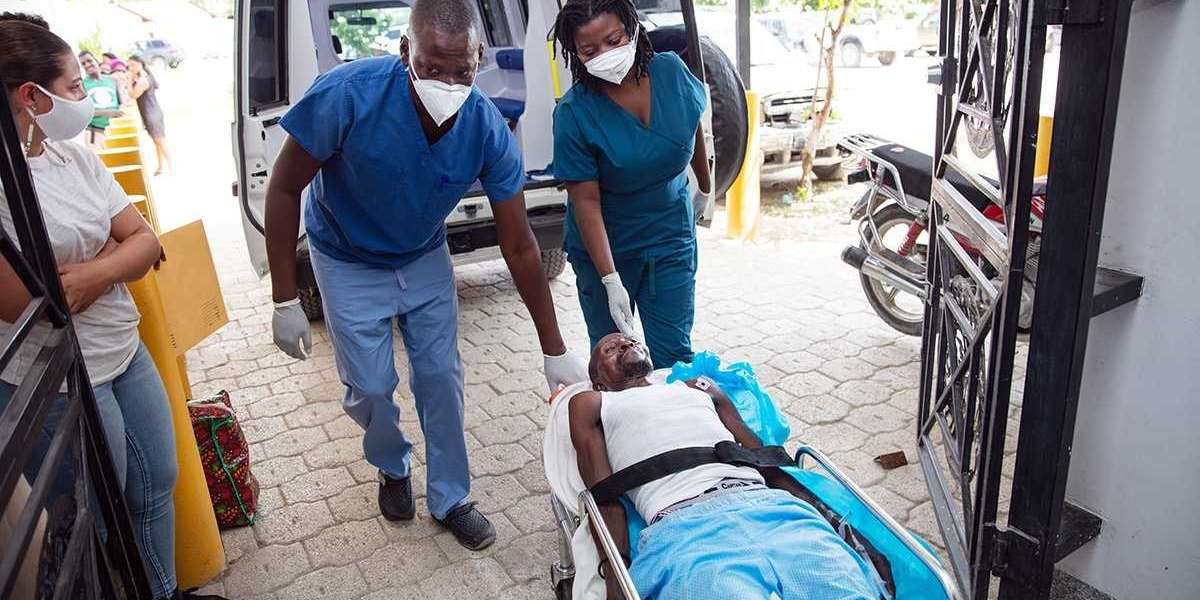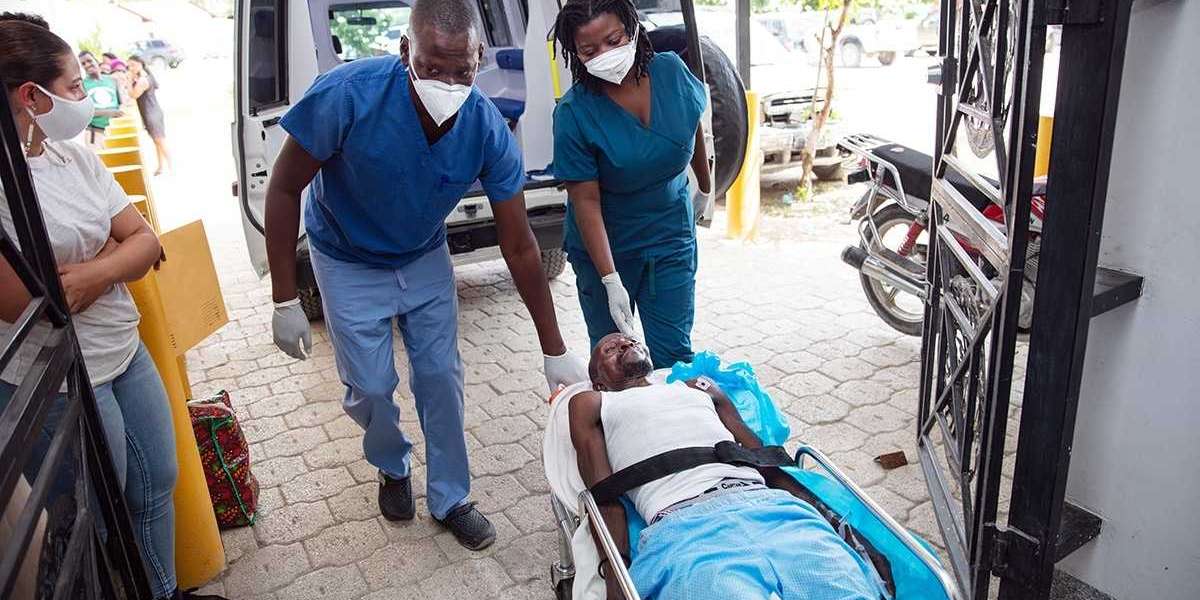

Severe pain or sudden symptoms can be frightening, especially when you are not sure what is causing them. Visiting an Emergency Room in Fort Worth TX may be the safest choice when pain is intense, symptoms appear without warning, or the condition seems to be getting worse. Chest pain, breathing difficulty, stroke-like symptoms, severe abdominal pain, fainting, confusion, serious injuries, and allergic reactions should not be ignored. Access to 24/7 emergency care helps patients get timely medical attention when symptoms happen at night, on weekends, or when regular clinics are closed. Knowing when to act can help prevent dangerous delays.
Why Severe Pain Should Be Taken Seriously
Pain is the body’s warning signal. Sometimes pain comes from a minor issue, such as muscle strain or indigestion. Other times, severe pain may point to something more serious, such as a heart problem, internal injury, infection, kidney stone, appendicitis, fracture, or neurological condition.
Emergency care is important when pain is sudden, intense, unexplained, or connected with other warning signs. MedlinePlus lists severe abdominal pain, chest pain, trouble breathing, fainting, heavy bleeding, head or spine injury, and changes in mental status among symptoms that may require emergency medical care.
The goal of an ER visit is not just to reduce pain. It is to find out why the pain is happening and whether immediate treatment is needed.
Sudden Symptoms That Should Not Wait
Some symptoms need fast attention even if they are not painful. Sudden weakness, confusion, vision changes, trouble speaking, fainting, or difficulty breathing may signal a serious medical condition.
A sudden symptom is especially concerning when it affects the heart, brain, lungs, abdomen, or nervous system. These symptoms can change quickly, so waiting at home may increase the risk of complications.
Go to the ER for Sudden Symptoms Such As:
Chest pressure or chest pain
Shortness of breath
Sudden weakness or numbness
Trouble speaking
Severe dizziness
Fainting or loss of consciousness
Sudden confusion
Severe headache
Severe abdominal pain
Heavy bleeding
Seizure
Severe allergic reaction
Major injury or trauma
If symptoms feel unusual, severe, or unsafe to wait on, emergency care is usually the better choice.
Chest Pain or Pressure
Chest pain is one of the most important reasons to seek emergency care. Not every chest pain episode is a heart attack, but it should never be ignored when it is severe, new, or paired with other symptoms.
Warning Signs With Chest Pain
Go to the ER if chest pain feels like pressure, tightness, squeezing, heaviness, or discomfort that spreads to the arm, jaw, neck, shoulder, back, or upper abdomen. Chest pain with shortness of breath, sweating, nausea, lightheadedness, fainting, or weakness should also be treated as urgent. Emergency physicians note that heart attack symptoms may include chest pressure or squeezing that lasts more than a few minutes or comes and goes, pain spreading to the shoulders, neck, jaw, arms, or back, and chest discomfort with sweating, nausea, fainting, or shortness of breath.
The American Heart Association also lists chest discomfort, upper body discomfort, shortness of breath, cold sweat, nausea, and lightheadedness as common heart attack warning signs.
Why You Should Not Self-Diagnose Chest Pain
Chest pain can come from many causes, including muscle strain, acid reflux, anxiety, lung problems, or heart-related conditions. The problem is that these causes can feel similar. An emergency team can perform an exam, EKG, blood work, oxygen monitoring, and other testing to help identify the cause and decide the safest next step.
Breathing Problems
Trouble breathing should always be taken seriously. Shortness of breath may come from asthma, pneumonia, allergic reactions, heart problems, lung conditions, infection, smoke inhalation, or other urgent causes.
When Breathing Trouble Needs Emergency Care
Seek emergency help if someone is gasping for air, breathing very fast, wheezing severely, turning blue or gray around the lips, unable to speak in full sentences, confused, faint, or experiencing chest tightness with breathing difficulty. The American College of Emergency Physicians includes difficulty breathing and shortness of breath among symptoms that may require emergency care.
Breathing problems can worsen quickly, especially in children, older adults, and people with asthma, heart disease, or chronic lung conditions. If breathing does not feel normal, it is better to be evaluated promptly.
Severe Abdominal Pain
Mild stomach discomfort may not require the ER, but severe abdominal pain should not be ignored. Pain in the abdomen can come from many causes, including appendicitis, kidney stones, gallbladder disease, infection, bowel obstruction, dehydration, or internal bleeding.
Warning Signs With Abdominal Pain
Go to the ER if abdominal pain is sharp, intense, worsening, or connected with fever, repeated vomiting, fainting, swelling, blood in vomit or stool, severe weakness, or pain in one specific area.
Severe abdominal pain can be difficult to judge at home because the cause is not always obvious. Emergency evaluation may include physical examination, blood tests, urine testing, imaging, medication, IV fluids, or monitoring.
Stroke-Like Symptoms
Stroke-like symptoms are time-sensitive and should never be treated as a “wait and see” situation. Fast action can affect evaluation, treatment options, and recovery.
Stroke Warning Signs
Call 911 or seek emergency care if someone has sudden numbness or weakness, especially on one side of the body; sudden confusion; trouble speaking; trouble seeing; trouble walking; dizziness; loss of balance; or a sudden severe headache with no known cause. The CDC advises calling 911 right away if these symptoms appear.
Even if symptoms improve after a few minutes, emergency evaluation is still important. Temporary symptoms may still signal a serious neurological problem.
Fainting, Confusion, or Sudden Weakness
Fainting, sudden confusion, severe dizziness, or sudden weakness may point to a serious issue. These symptoms may be related to low blood sugar, dehydration, infection, heart rhythm problems, stroke, medication reactions, or other urgent conditions.
Choosing an Emergency Room in Fort Worth TX can help patients receive timely evaluation when sudden symptoms are hard to explain or seem unsafe to wait on.
When These Symptoms Need Immediate Care
Seek emergency care if a person is difficult to wake, cannot speak clearly, suddenly becomes weak, faints without an obvious reason, has confusion with fever, or has weakness with chest pain or trouble breathing.
These symptoms are especially concerning in older adults, people with diabetes, people with heart conditions, and anyone who recently had a fall, head injury, illness, or medication change.
Severe Headache or Head Injury
A headache is not always an emergency, but sudden severe headache can be a warning sign. Head injuries also need careful attention because symptoms may appear later.
When Head Pain Needs the ER
Go to the ER for a sudden severe headache, headache with confusion, headache after a head injury, headache with weakness or vision changes, headache with stiff neck and fever, or headache described as the worst one ever experienced.
After a head injury, seek emergency care if there is loss of consciousness, repeated vomiting, seizure, confusion, severe headache, dizziness, weakness, unusual behavior, or extreme sleepiness.
This is especially important for children, older adults, athletes, and people taking blood-thinning medication.
Severe Injuries and Pain After Accidents
Injuries from falls, sports, car accidents, workplace accidents, burns, and deep cuts may need emergency evaluation. Sometimes the most serious damage is not visible right away.
Injury Warning Signs
Visit the ER for heavy bleeding, deep wounds, severe burns, possible broken bones, numbness, deformity, inability to move a limb, severe back or neck pain, or pain after a major accident.
Emergency teams can provide imaging, wound cleaning, stitches, splinting, pain control, burn care, and monitoring when needed. If there is major trauma, loss of consciousness, uncontrolled bleeding, or suspected spine injury, call 911 instead of driving.
Severe Allergic Reactions
A mild rash may not always be an emergency, but a severe allergic reaction can become life-threatening. This can happen after food, medication, insect stings, or an unknown trigger.
Signs of a Serious Allergic Reaction
Seek emergency care if there is swelling of the lips, tongue, face, or throat; trouble breathing; wheezing; widespread hives; vomiting; dizziness; fainting; or difficulty swallowing.
Allergic reactions can worsen quickly when they affect breathing or circulation. Do not wait if symptoms are spreading or becoming more serious.
Pediatric Sudden Symptoms Parents Should Watch
Children may not explain pain or symptoms clearly. A young child may not say they are dizzy, weak, short of breath, or in severe pain. Parents may only notice that the child is unusually sleepy, breathing fast, crying differently, refusing fluids, or not acting normal.
Take a Child to the ER for:
Trouble breathing
Blue lips or face
Seizure
Severe dehydration
Serious head injury
Deep cut or heavy bleeding
Severe allergic reaction
Severe abdominal pain
Extreme sleepiness
Confusion
Fever in a very young infant
Possible broken bone
Parents should trust their instincts. If a child looks seriously ill, is difficult to wake, or symptoms are getting worse quickly, emergency care is the safer choice.
Why Around-the-Clock Emergency Access Matters
Severe pain and sudden symptoms rarely happen at a convenient time. Chest pain may begin after midnight. A child may develop breathing problems on a weekend. A fall may happen during evening sports. Severe abdominal pain may start when regular clinics are closed.
That is why 24/7 emergency care matters for Fort Worth residents. It gives patients access to medical evaluation when waiting could be unsafe. Around-the-clock care can help reduce delays, provide answers faster, and support timely treatment when symptoms are serious.
Promotional Paragraph
For patients and families who need dependable emergency medical support, ER of Fort Worth- EMERGENCY ROOM provides timely evaluation and care for severe pain, sudden symptoms, chest pain, breathing concerns, injuries, allergic reactions, dehydration, and urgent pediatric needs. Having access to a trusted local emergency facility can help reduce stress when immediate medical attention matters.
What to Expect During an ER Visit
An ER visit usually begins with triage. The medical team checks symptoms, vital signs, oxygen level, pain level, and overall condition. Patients with the most serious symptoms are usually treated first.
Next, a provider reviews the patient’s medical history, medications, allergies, and symptom timeline. Depending on the concern, testing may include blood work, urine tests, X-rays, CT scans, ultrasound, EKG, or other exams.
Treatment may include medication, IV fluids, breathing support, wound care, splinting, pain relief, monitoring, or further referral. Some patients go home with instructions, while others may need observation, hospital admission, specialist care, or transfer.
How to Prepare Before an Emergency Happens
Preparation can help patients and families respond faster.
Keep a list of medications, allergies, and medical conditions.
Save emergency contacts in your phone.
Know the nearest ER location.
Keep identification and insurance information easy to find.
For children, keep pediatrician details available.
Call 911 for life-threatening symptoms.
Do not drive yourself if you feel faint, confused, weak, or short of breath.
Tell the care team when symptoms started and whether they are getting worse.
The goal is not to diagnose yourself. The goal is to recognize when symptoms need immediate medical attention.
FAQs
1. When should severe pain be treated as an emergency?
Severe pain should be treated as an emergency when it is sudden, intense, worsening, unexplained, or connected with chest pain, trouble breathing, fainting, confusion, weakness, fever, vomiting, injury, heavy bleeding, or abdominal pressure.
2. Should I go to urgent care or the ER for sudden symptoms?
Go to the ER for sudden symptoms that may be serious, such as chest pain, breathing trouble, stroke-like symptoms, severe abdominal pain, fainting, confusion, seizures, heavy bleeding, severe allergic reactions, or major injuries. Urgent care is better for mild, stable, non-life-threatening issues.
3. Why is 24/7 emergency care important for severe pain?
24/7 emergency care is important because severe pain and sudden symptoms can happen at any time. Patients may need immediate evaluation during nights, weekends, holidays, or when regular clinics are closed. Around-the-clock access helps reduce delays when symptoms cannot safely wait.
Conclusion
Severe pain and sudden symptoms should never be ignored when they are intense, unusual, worsening, or connected with warning signs such as chest pain, breathing trouble, confusion, fainting, stroke-like symptoms, allergic reactions, or serious injury. Acting quickly can help identify dangerous conditions, begin treatment sooner, and guide patients toward the safest next step. Fort Worth residents should know when to call 911, keep important medical information ready, and avoid waiting when symptoms feel unsafe. When urgent symptoms cannot wait, an Emergency Room in Fort Worth TX can provide timely evaluation, treatment, and support when every minute matters.