
A friend of mine went to Manali last October, expecting pine trees and quiet mountain air. What she got instead was a two-hour traffic jam on the way to Solang Valley and a market so packed she gave up halfway and went back to her hotel. She's not the first person to tell me this story, and she won't be the last. Somewhere in the last decade, Himachal's most famous towns stopped feeling like escapes and started feeling like extensions of the cities people were trying to leave behind.
That's probably why more people are quietly slipping away to Jibhi instead.
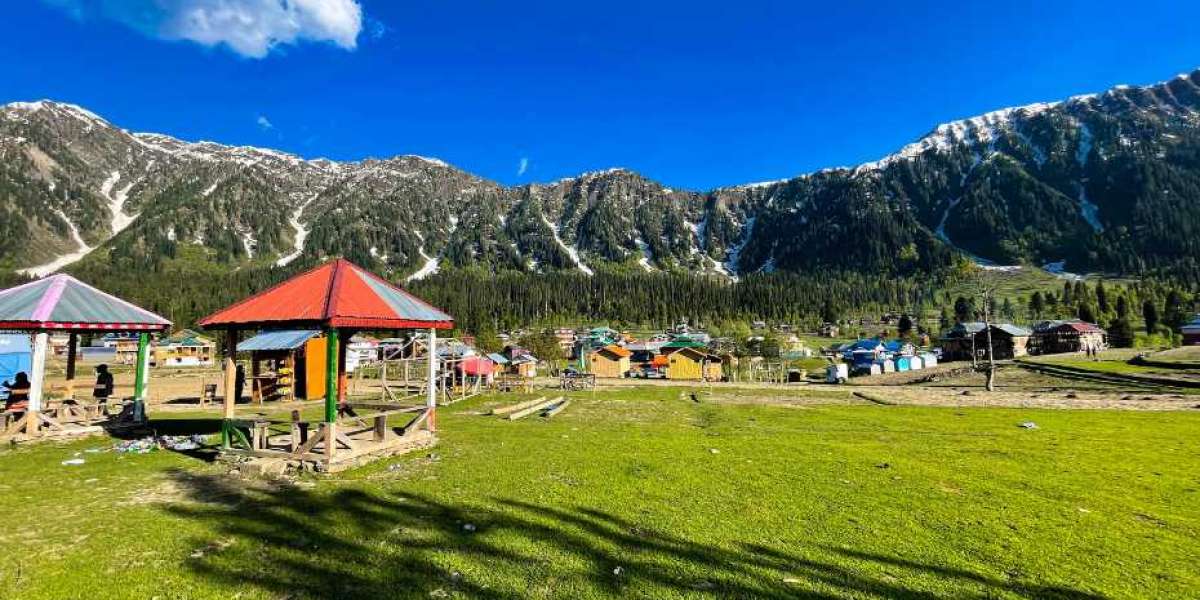
It's a small village in the Banjar Valley, part of Kullu district, and if you haven't heard of it, that's honestly still normal — though it's getting harder to say that every year. No big market, no traffic, no rows of identical cafes selling the same banana pancake. Just wooden houses with slanted slate roofs, a river that runs right through the middle of everything, and enough pine forest that the air genuinely smells different than it does in the bigger towns nearby. A Jibhi Tour in 2026 still feels like you've found something before everyone else did, even though that window is slowly closing.
Why It's Stayed So Quiet
I think the honest answer is geography. The roads leading into Jibhi are narrow and winding enough that big buses and large hotel chains simply can't get a foothold here the way they have in Manali or even Kasol. That's kept development slow and mostly local — homestays run by families, small guesthouses, a few riverside cafes. Nothing corporate, nothing that feels built for mass tourism.
Ask anyone who's done a proper Jibhi travel guide crawl through their own trip and they'll tell you the same thing: the appeal isn't one specific attraction, it's the absence of noise. You notice it within an hour of arriving — how quiet the evenings get, how the only sounds are the river and maybe someone's dog barking somewhere down the hill.
What There Is To Actually Do
Don't expect a packed itinerary. This isn't that kind of place, and honestly, that's part of why people love it.
The waterfall is the obvious first stop — a fairly short walk from the village center, through trees, over some slippery rocks in places, ending at a fall that looks almost too picturesque to be real. Go early, before 9am if you can, and there's a decent chance you'll have it entirely to yourself.
Jalori Pass is the bigger outing, and worth setting aside most of a day for. The drive alone climbs past 3,000 metres and the views along the way are the kind that make you ask the driver to pull over every ten minutes. From the top, a moderate hike gets you to Serolsar Lake — small, green, tucked so far into the forest that it feels a bit like finding a secret.
Then there's Chehni Kothi, an old stone-and-wood tower that most travelers skip entirely because it's not flashy and doesn't photograph as dramatically as the waterfall or the pass. That's a shame, because it's been standing for well over a thousand years, and there's something quietly humbling about walking up to a structure that old in a village this small.
Beyond that? Walk through the apple orchards. Sit by the river with nothing to do. Talk to whoever's running your homestay — most of them have lived in the valley their whole lives and have opinions on everything from the best trekking trails to which month has the best light.
When To Go
Spring, roughly March through June, is probably the easiest window — good weather, rhododendrons blooming, clear views for anything involving Jalori Pass. Monsoon, July to September, turns the whole valley a deep green and swells the waterfalls, but mountain roads can get unpredictable, so it's not for everyone.
Personally, I'd point most first-timers toward October and November. The air's crisp, the light is golden in a way that photos never quite capture properly, and the crowds — such as they are in Jibhi — thin out. Winter brings snow from December through February, which is beautiful if you're after a slow, cold, quiet trip rather than anything adventure-heavy.
Getting There
It's about 65 km from Kullu, and somewhere around 500 km from Delhi if you're driving the whole way, which most people break into two days rather than pushing through in one. The nearest train station is Joginder Nagar, though realistically most travelers fly into Bhuntar Airport near Kullu and drive the rest. Buses and shared taxis exist from Kullu and Aut, but given how winding the roads get, a private car makes the trip a lot less stressful, particularly if you're traveling with older family members or young kids.
Where To Stay
This is where Jibhi really sets itself apart. Instead of big hotels, you're mostly choosing between wooden cottages on the hillside, small riverside guesthouses, and homestays where dinner is whatever the family's cooking that night — usually simple, usually excellent Himachali food. Prices are noticeably lower than what you'd pay in Manali for something comparable, though rooms are limited, so booking ahead for October weekends or the New Year stretch isn't optional if you want a decent choice.
Why Now, Specifically
Every quiet place has a shelf life before word gets out properly, and Jibhi is somewhere in the middle of that curve right now. More travel blogs are covering it, more operators are putting together dedicated Jibhi Tour Packages, and the roads and homestay options keep improving year over year. All of that is good for anyone planning a trip, but it also means the version of Jibhi that exists today - sparse, slow, mostly untouched - won't necessarily look the same in another five years.
Last Thought
Jibhi doesn't try to be Manali or Kasol, and it doesn't need to. It offers a version of Himachal that still feels personal — where the person who cooked your dinner might be the same one who points you toward the trail the next morning. If you're tired of hill stations that feel more like extensions of Delhi traffic than mountain escapes, and you're looking for one of the more genuinely offbeat Himachal destinations left standing, Jibhi is worth putting near the top of your 2026 list. And if the winding roads or seasonal shifts feel like a lot to plan around on your own, working with a good india tour planner can take most of that guesswork off your hands.