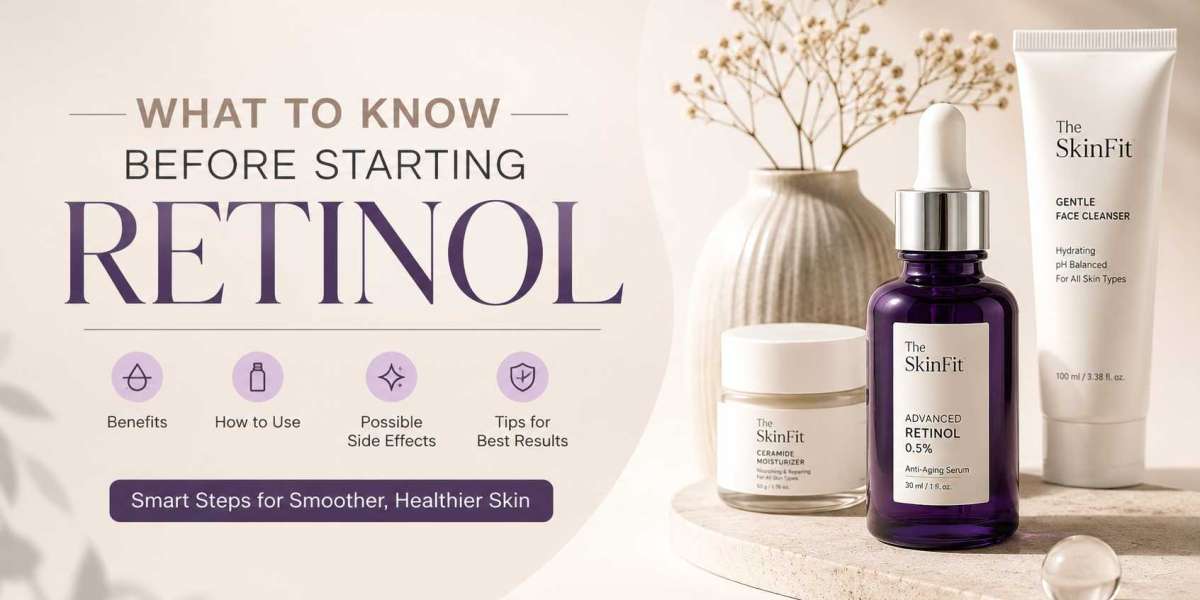

Retinol is undoubtedly among the most widely used ingredients in many skincare products, yet also one of the most misunderstood. Many people hear about its benefits but are unsure how to start using them or whether they are right for their skin or not. Incorrect use of retinol can cause different skin concerns, which can ruin your months of hard work in achieving healthy skin.
If you are also one of those, then don't worry, because this guide is specifically made to address this insecurity and explains everything you need to know before starting to use retinol.
What Is Retinol and Why Does It Matter
Retinol is a form of vitamin A. It works by supporting skin renewal, meaning it helps the skin to shed dead skin cells and form new ones more efficiently. This process plays a major role in keeping your skin looking smooth and healthy over time.
What makes retinol important is that, instead of only working on the skin surface, it penetrates deep into the skin and affects texture, tone, and overall appearance. This is why retinol is often recommended for concerns that don’t improve easily with basic skincare alone.
However, because retinol is an active ingredient, it needs to be used with care. Your skin can take some time to adjust, and results may appear gradually.
Benefits of Retinol
Helps Improve Skin Texture
Over time, retinol can help smooth out uneven skin texture by promoting regular skin renewal. Rough skin can also gradually become softer and smoother with proper use. Remember that consistency is important and that this improvement takes time.
Supports a More Even Skin Tone
When used properly, retinol can help reduce the appearance of uneven skin tone. By encouraging new skin cells to form, it helps older, dull-looking skin to slowly fade.
Helps Reduce the Look of Fine Lines
Retinol is well-known for its anti-aging properties. By promoting skin renewal, it can help minimize the appearance of wrinkles and fine lines, so that you can achieve a younger, more refreshed skin.
Potential Side Effects of Retinol
Skin Dryness
One of the most common side effects of retinol use is dryness. Especially at the start, retinol can feel tight or less comfortable than usual. This often improves with proper moisturization and consistent use of a small amount of retinol.
Redness and Sensitivity
Some people experience redness or a mild burning sensation, especially in the early weeks after using retinol. This usually means that your skin is adjusting. During those moments, use a small amount and have some rest days between applications to reduce redness.
Irritation from Overuse
Using too much retinol or applying it too often can overwhelm your skin. This can lead to irritation instead of improvement. That’s why you should always start slowly and see how your skin responds to avoid unnecessary discomfort.
Common Mistakes to Avoid While Using Retinol
Applying Retinol Every Night Immediately
Daily use of retinol may seem effective, but for beginners, it may not be the best approach. Retinol works best when the skin is given enough time to adjust. That’s why starting slowly, with fewer applications per week, is an ideal approach.
Skipping Moisturizer
Retinol can make skin feel dry, especially in the early stages. This makes the use of moisturizer a must, and skipping moisturizer can be a bad idea, which can increase the risk of tightness and flaking.
Expecting Immediate Results
Expecting immediate results from retinol can lead to overuse or disappointment. Consistency and patience with this active ingredient are more important than speed for seeing visible improvements.
Who Should and Should Not Use Retinol
Retinol can be beneficial for many people, especially those individuals who are looking to improve skin tone, texture, and want to address signs of aging. However, keep in mind to stay consistent and see how your skin reacts after using it.
On the other hand, retinol is not ideal for everyone. It might not work best for people with sensitive skin. At the same time, those with severe irritation and different skin conditions should also avoid using retinol until their skin is more stable.
Conclusion
Retinol is a powerful skincare ingredient, but its effectiveness depends on how it is used. Understanding its benefits and potential side effects can help you set realistic expectations and prevent any unwanted outcomes.
But the first step is to always make sure you buy retinol from a trusted skincare store with a reputation for offering 100% authentic products. Using a counterfeit retinol made with a harsh formulation can give disappointing results.
FAQ’s
How often should beginners use retinol?
A. 2 to 3 times a week at the start is ideal.
Can retinol be used on sensitive skin?
A. While sensitive skin can use retinol, it’s recommended to apply a small amount.
Is retinol better to use at night?
A. Yes, retinol works best in nighttime skincare routines.
Can I stop using retinol if my skin feels irritated?
A. While minimal irritation is common, if it persists, it’s best to stop using it and consult a dermatologist.
How long does it take to see results from retinol?
A. It can take 4-12 weeks to see visible results from retinol.