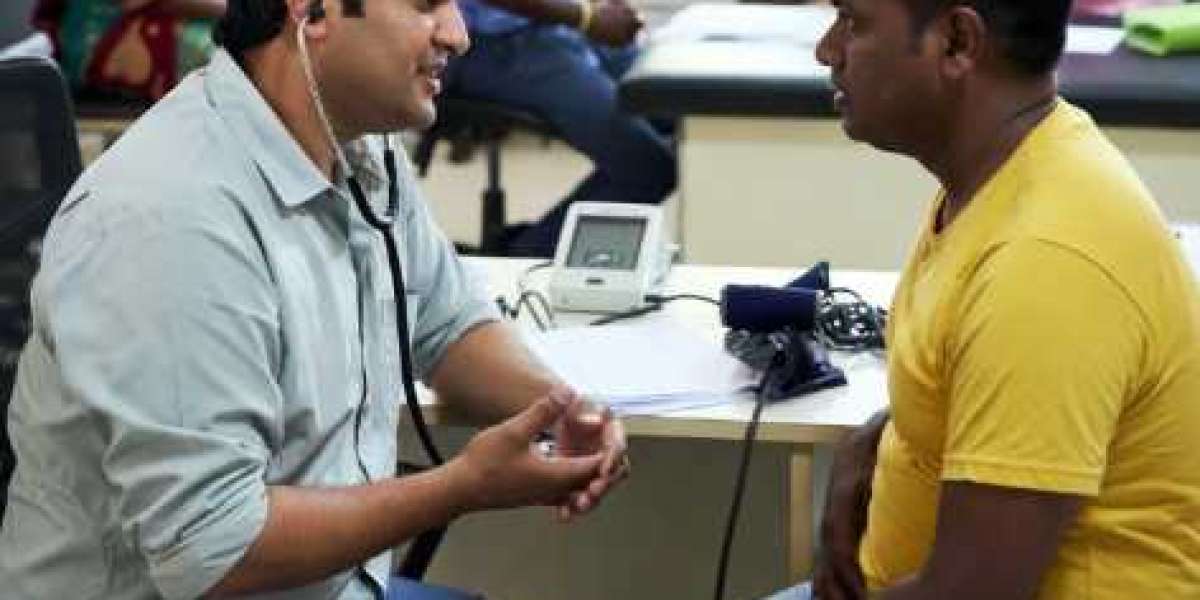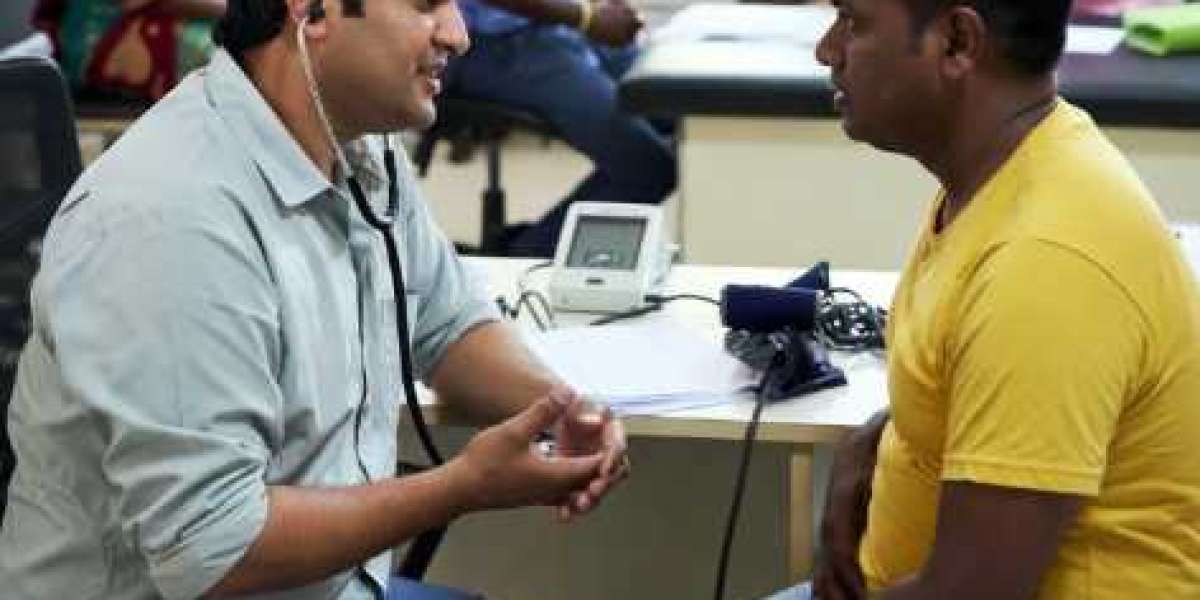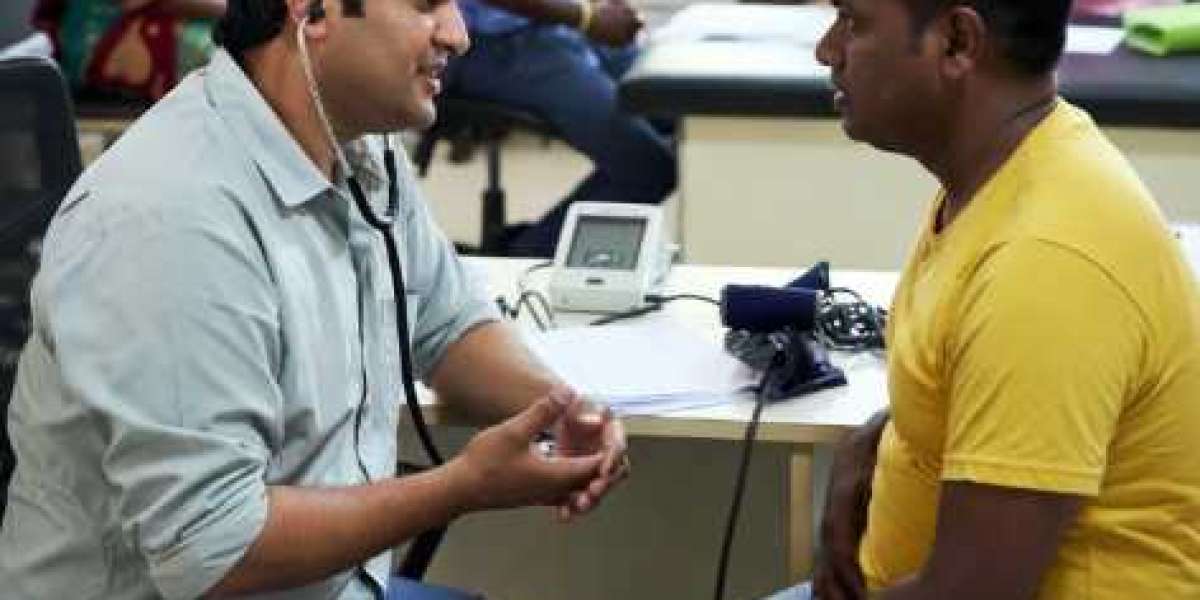

Healthcare is not the same for every person. Two patients may have similar symptoms, but their health history, lifestyle, age, family background, daily routine, and personal concerns can be very different. This is why personalized healthcare has become an important part of modern patient care.
Personalized healthcare focuses on understanding the individual patient rather than using the same approach for everyone. It helps doctors and healthcare professionals consider a patient’s specific needs before recommending tests, treatment options, lifestyle changes, follow-up care, or referrals.
At Iwona Specialty Clinic, patient care is centered on listening, understanding, and guiding patients through their healthcare journey. The clinic aims to provide expert medical care in a respectful and supportive environment where patients and families can ask questions, discuss concerns, and make informed decisions.
This blog explains the key benefits of personalized healthcare for patients and why choosing a specialty healthcare clinic can help improve the overall healthcare experience.
What Is Personalized Healthcare?
Personalized healthcare is an approach where medical care is planned according to the individual needs of a patient. Instead of giving identical advice to every person, healthcare professionals consider important factors such as:
- Current symptoms and health concerns
- Medical history
- Family medical history
- Age and stage of life
- Lifestyle habits
- Diet and physical activity
- Sleep and stress levels
- Existing medicines or treatments
- Personal healthcare goals
A personalized treatment plan does not mean that a doctor can guarantee a cure or a specific result. It means that the healthcare provider takes time to understand the patient and recommends suitable next steps based on professional medical judgment.
At Iwona Specialty Clinic, personalized treatment is an important part of providing patient-centered care. Patients can receive guidance that is more relevant to their own health situation.
Why Is Personalized Healthcare Important?
Every patient deserves healthcare that considers their individual circumstances. A person’s health is influenced by many factors, including genetics, environment, work routine, food habits, emotional well-being, physical activity, and access to medical care.
A general approach may not always address all these factors. Personalized healthcare allows doctors to look at the bigger picture and understand what may be affecting a patient’s health.
This approach can improve communication, help patients feel more involved, and make it easier to follow healthcare advice. When patients understand why a recommendation is being made, they may feel more confident about taking the next step.
Better Understanding of Individual Health Needs
One of the main benefits of personalized healthcare is that it gives doctors a clearer understanding of the patient’s needs. During a consultation, the healthcare provider may ask about symptoms, daily habits, previous illnesses, medicines, stress, sleep, and family health history.
This detailed discussion can help the doctor identify important information that may not be visible in a short or rushed consultation. It also allows patients to share concerns that they may have been ignoring or unsure about.
At Iwona Specialty Clinic, experienced doctors aim to listen carefully and provide clear guidance. Patients are encouraged to speak openly about their health concerns so that the healthcare team can recommend appropriate care options.
Improved Communication Between Doctors and Patients
Good communication is one of the most important parts of patient care. Medical information can sometimes feel confusing, especially when patients are worried about symptoms, tests, or treatment options.
Personalized healthcare encourages doctors to explain information in a way that patients can understand. Patients can ask questions about their health condition, recommended tests, medications, lifestyle changes, follow-up appointments, or referral options.
Clear communication helps patients feel respected and involved. It also helps families understand how they can support their loved ones during treatment or recovery.
A specialty healthcare clinic can provide a more focused environment where patients have enough time to discuss their concerns and understand the recommended next steps.
Treatment Plans Based on the Patient’s Situation
A personalized treatment plan is created by considering the patient’s unique health situation. For example, a working professional with a stressful routine may need different lifestyle guidance than an older adult with multiple ongoing health concerns.
Similarly, a patient with a family history of a particular condition may need different preventive care recommendations than someone without that history.
Personalized treatment can include:
- Recommendations for suitable health screenings
- Guidance about nutrition and physical activity
- Follow-up appointment planning
- Medication review and discussion
- Stress and sleep management advice
- Monitoring of ongoing symptoms
- Referral to another healthcare specialist when needed
The purpose is to provide care that is practical, relevant, and easier for the patient to understand and follow.
Support for Preventive Healthcare
Personalized healthcare is not only useful when a person is already unwell. It is also important for preventive healthcare. Preventive care focuses on reducing health risks and encouraging healthy habits before a serious concern develops.
A doctor may review the patient’s lifestyle, family medical history, and current health status to recommend suitable preventive steps. These may include regular checkups, screenings, dietary changes, exercise guidance, stress management, or better sleep habits.
At Iwona Specialty Clinic, patients can discuss preventive healthcare during their consultation. This can help them understand what steps may be suitable for maintaining long-term health.
Preventive healthcare does not remove every health risk, but it can help patients stay aware and take timely action when needed.
Better Management of Ongoing Health Concerns
Patients with ongoing health concerns may benefit greatly from personalized treatment. Regular follow-up care can help doctors monitor symptoms, review progress, discuss medication use, and make changes to the care plan when appropriate.
For example, a patient may need regular guidance related to blood pressure, blood sugar, weight, cholesterol, sleep, stress, pain, or other health concerns. A personalized approach helps the healthcare provider understand how these concerns are affecting the patient’s daily life.
Instead of only focusing on a report or number, the doctor can also discuss practical challenges. A patient may be struggling to follow a diet because of work hours, family responsibilities, financial limitations, or lack of time. Understanding these challenges can help the doctor provide more realistic guidance.
Greater Patient Confidence and Involvement
When patients are involved in their healthcare decisions, they may feel more confident about their treatment journey. Personalized healthcare encourages patients to ask questions, understand their options, and share their preferences.
This does not mean that patients need to make medical decisions alone. Doctors provide professional guidance, explain possible options, and recommend suitable next steps. However, patients can actively participate by sharing their concerns, goals, and daily challenges.
At Iwona Specialty Clinic, patient care is based on respect and open communication. The healthcare team aims to help patients feel comfortable discussing their health without fear or hesitation.
A patient who understands their care plan may be more likely to attend follow-up appointments, take medicines as advised, and make positive lifestyle changes.
Healthcare Guidance That Fits Daily Life
Medical advice is most helpful when it can be followed in real life. Personalized healthcare considers a patient’s routine, responsibilities, food habits, work schedule, and personal goals.
For example, a doctor may suggest small changes that are easier to maintain, such as walking regularly, improving meal timing, drinking more water, reducing processed food, taking short breaks during work, or improving sleep routines.
Small and steady improvements can often be more practical than sudden and difficult changes. Personalized guidance can help patients focus on realistic health goals that fit their lifestyle.
This approach is especially useful for people who feel overwhelmed by too much health information or are unsure where to begin.
Better Support for Families and Caregivers
Healthcare decisions often involve family members and caregivers, especially for children, older adults, or patients who need ongoing support. Personalized healthcare can help families understand the patient’s needs and learn how they can provide support at home.
Doctors may explain follow-up instructions, medication schedules, lifestyle recommendations, or warning signs that should not be ignored. When families understand the care plan, they can help patients stay organized and motivated.
Iwona Specialty Clinic values respectful communication with patients and families. When appropriate, the clinic can help ensure that caregivers understand the guidance provided by healthcare professionals.
A More Comfortable Healthcare Experience
Many people feel anxious before visiting a doctor. They may worry about symptoms, test results, treatment costs, or not understanding medical information. A patient-centered approach can make the experience more comfortable.
Personalized healthcare creates an environment where patients are treated as individuals. They are not just seen as a medical file or appointment number. Their questions, concerns, and preferences are taken seriously.
A specialty healthcare clinic can offer a more organized and supportive experience, from appointment booking to consultation and follow-up care. Clear communication, respectful staff, and a comfortable environment can help reduce stress for patients and families.
The Role of Experienced Doctors in Personalized Care
Experienced doctors play an important role in personalized healthcare. They use their medical knowledge, clinical experience, and understanding of the patient’s health history to recommend suitable care options.
At Iwona Specialty Clinic, experienced doctors aim to provide expert medical care while keeping the patient’s individual needs in mind. They may review symptoms, discuss medical history, recommend appropriate tests, and guide patients about follow-up care.
Patients should always share complete and accurate information with their doctor. This includes current symptoms, past illnesses, medicines, allergies, family medical history, and lifestyle habits. Honest communication helps doctors provide safer and more relevant guidance.
How Iwona Specialty Clinic Supports Personalized Healthcare
Iwona Specialty Clinic is focused on providing compassionate patient care and personalized treatment guidance. The clinic understands that patients may have different health concerns, questions, and expectations.
The healthcare team aims to create a supportive environment where patients can discuss their health openly. By listening carefully and explaining information clearly, the clinic helps patients understand their options and make informed decisions.
Whether a patient needs a consultation, preventive healthcare guidance, follow-up care, or advice about a specific concern, Iwona Specialty Clinic aims to provide professional support at every stage.
Patients can contact the clinic directly to confirm available services, doctor schedules, appointment options, and consultation requirements.
Choose Personalized Healthcare for Better Health Support
Personalized healthcare can help patients receive care that feels more relevant, practical, and supportive. It encourages better communication, helps doctors understand individual needs, and gives patients a more active role in their health journey.
If you are looking for a specialty healthcare clinic that values expert medical care, personalized treatment, and compassionate patient care, consider booking a consultation at Iwona Specialty Clinic.
A healthcare visit is an opportunity to understand your health better, discuss your concerns, and receive professional guidance for the next appropriate step. Contact Iwona Specialty Clinic today to learn more about appointment availability and healthcare support options.
Frequently Asked Questions
1. What is personalized healthcare?
Personalized healthcare is a patient-centered approach where doctors consider a person’s medical history, symptoms, lifestyle, family history, and health goals before recommending care options.
2. How does personalized treatment help patients?
Personalized treatment helps patients receive guidance that is more relevant to their individual health needs. It can improve communication, support preventive care, and make health recommendations easier to follow.
3. Is personalized healthcare only for people with serious health concerns?
No. Personalized healthcare can benefit people of all ages, including those who want preventive care, regular health checkups, lifestyle guidance, or support for ongoing health concerns.
4. What should I discuss with my doctor during a consultation?
You can discuss your symptoms, medical history, medicines, allergies, family health history, lifestyle habits, stress, sleep, diet, and any questions about your health.
5. How can I book an appointment at Iwona Specialty Clinic?
You can contact Iwona Specialty Clinic through its official phone number, website, or appointment booking channel to confirm doctor availability and consultation details.