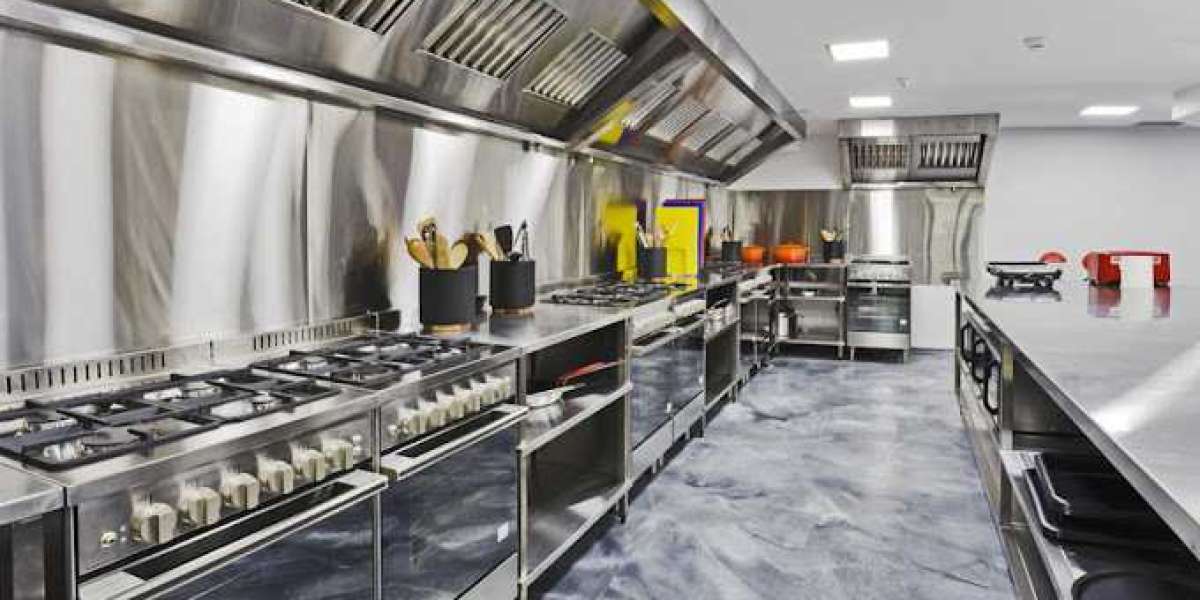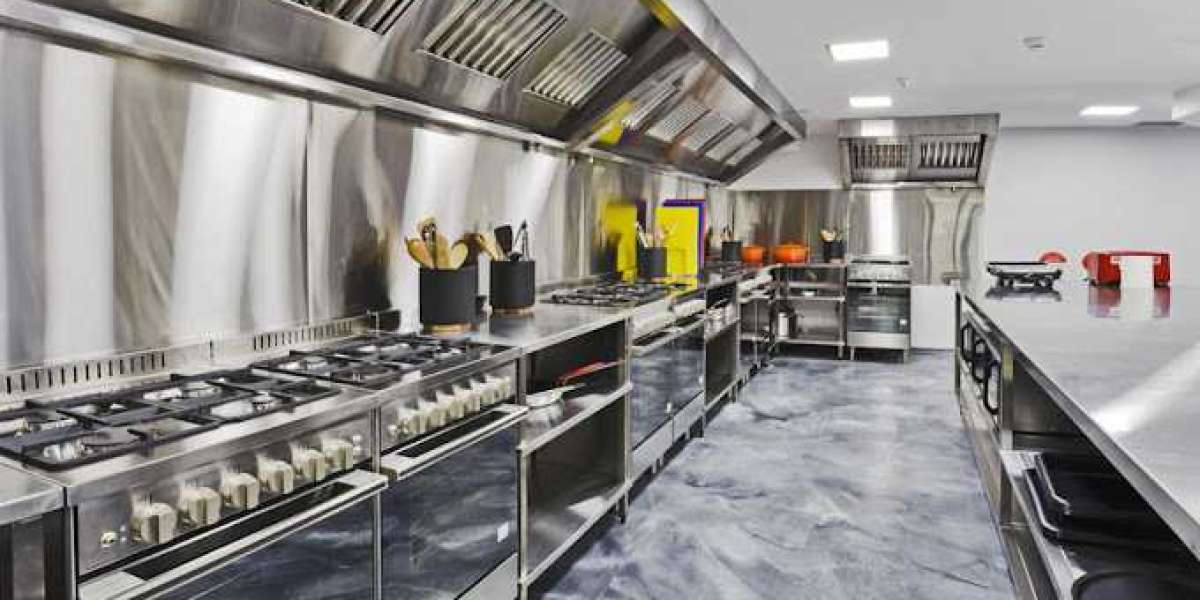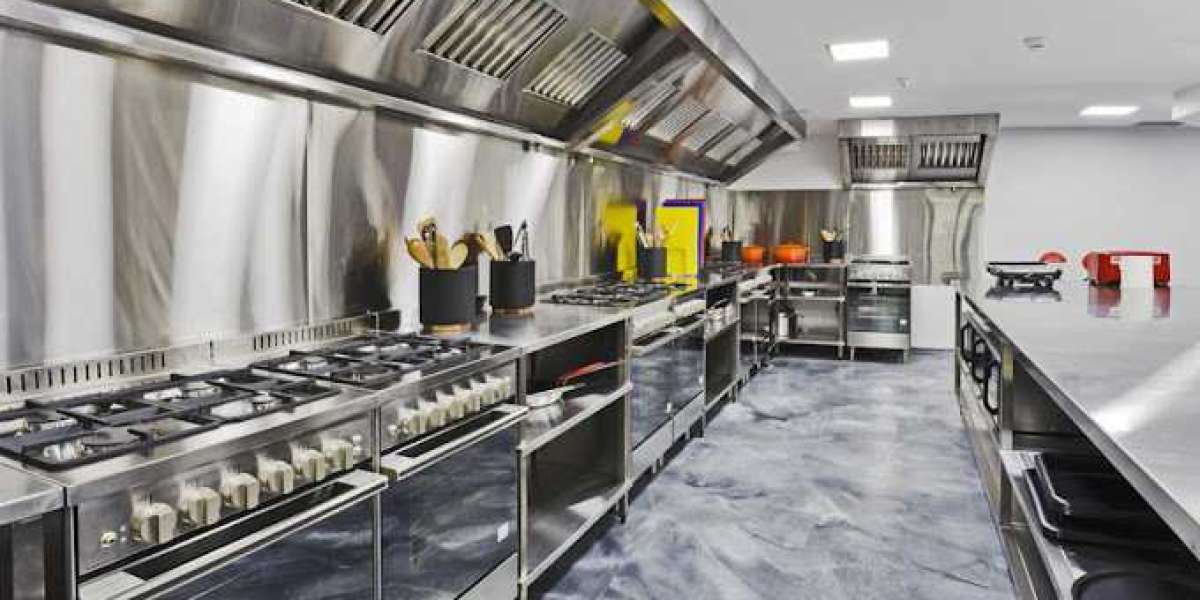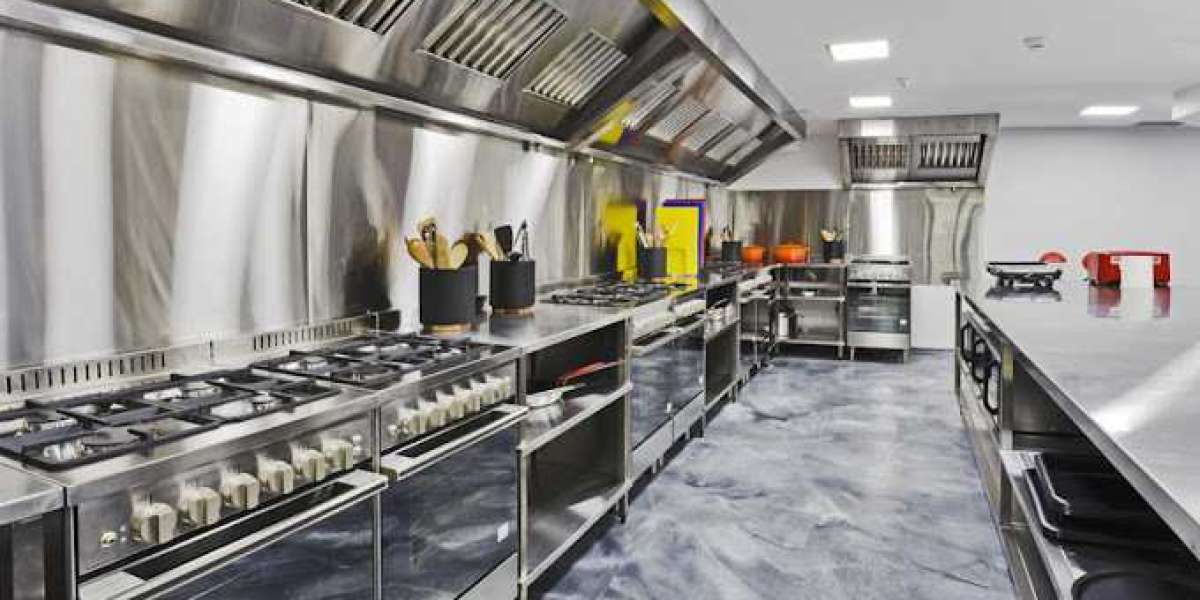

Running a successful restaurant, hotel, or catering business starts long before the first customer walks in. It starts in the kitchen, with equipment that can handle daily pressure, high volume, and constant use. Commercial kitchen equipment is the backbone of any food service operation, and choosing the right setup can make the difference between smooth service and constant breakdowns.
Why Commercial Kitchen Equipment Matters
Home appliances simply aren't built for the demands of a professional kitchen. Commercial kitchen equipment is designed for heavy daily use, faster cooking times, and strict hygiene standards. Whether you run a small café or a large hotel kitchen, having equipment built for volume keeps your service consistent and your food quality high.
Good equipment also affects your bottom line. Energy-efficient ranges, refrigerators, and dishwashers reduce electricity and water bills over time. Durable stainless steel construction means less frequent repairs and replacements, which saves money in the long run.
Must-Have Equipment for Every Commercial Kitchen
Cooking Equipment Ranges, ovens, griddles, and fryers form the core of daily operations. The right mix depends on your menu, but most kitchens need a combination of open burners, a griddle top, and at least one fryer to handle varied orders.
Refrigeration Cold storage keeps ingredients fresh and safe. Walk-in coolers work well for bulk storage, while reach-in units placed near cooking stations save time during busy hours.
Food Preparation Tools Mixers, slicers, and prep tables cut down on manual labor and speed up kitchen workflow, especially during peak hours when every minute counts.
Ventilation Systems A proper exhaust hood isn't optional. It removes heat, smoke, and grease from the air, keeping your kitchen safe and helping you meet fire code requirements.
Warewashing Equipment Commercial dishwashers save labor and ensure dishes are properly sanitized, which is critical for passing health inspections and keeping customers safe.
Tips for Choosing the Right Equipment
Before buying anything, map out your kitchen workflow from receiving to plating. This helps you figure out exactly what equipment you need and where it should go. Consider your menu carefully too — a pizza restaurant has very different equipment needs than a full-service Indian kitchen.
New equipment comes with warranties and better energy efficiency, but used equipment can be a smart choice for new businesses working with a tight budget. Either way, buy from a supplier who offers reliable after-sales service, since downtime in a working kitchen can cost you real money.
Regular maintenance is just as important as the initial purchase. Clean equipment regularly, schedule professional inspections for gas lines and refrigeration units, and train your staff to use equipment properly. This simple habit extends the life of your equipment by years.
Final Word
Commercial kitchen equipment isn't just about cooking food — it's about running a business that works efficiently every single day. Take time to plan your layout, choose equipment that matches your actual needs, and invest in regular upkeep. A well-equipped kitchen pays for itself through faster service, lower running costs, and happier customers.