
Poppy Pods: The Complete Guide to Decorative Dried Poppy Seed Pods
Poppy pods have become one of the most sought-after natural elements for floral design, home décor, and craft projects. These striking seed heads add texture, drama, and an organic touch to arrangements that few other botanicals can match. Whether you're a florist building a signature look, a crafter searching for unique materials, or a gardener curious about growing your own, this guide covers everything you need to know about dried poppy pods.
Below, we'll explore what poppy pods are, how people use them, the varieties available, tips for buying and growing them, and how to keep them looking beautiful for years. We'll finish with a detailed FAQ section that answers the questions people ask most.
What Are Poppy Pods?
Poppy pods are the dried seed heads of the poppy plant (genus Papaver). After a poppy flower blooms and its petals fall away, a rounded seed capsule remains. This capsule matures, dries, and forms the distinctive pod prized for decorative use.
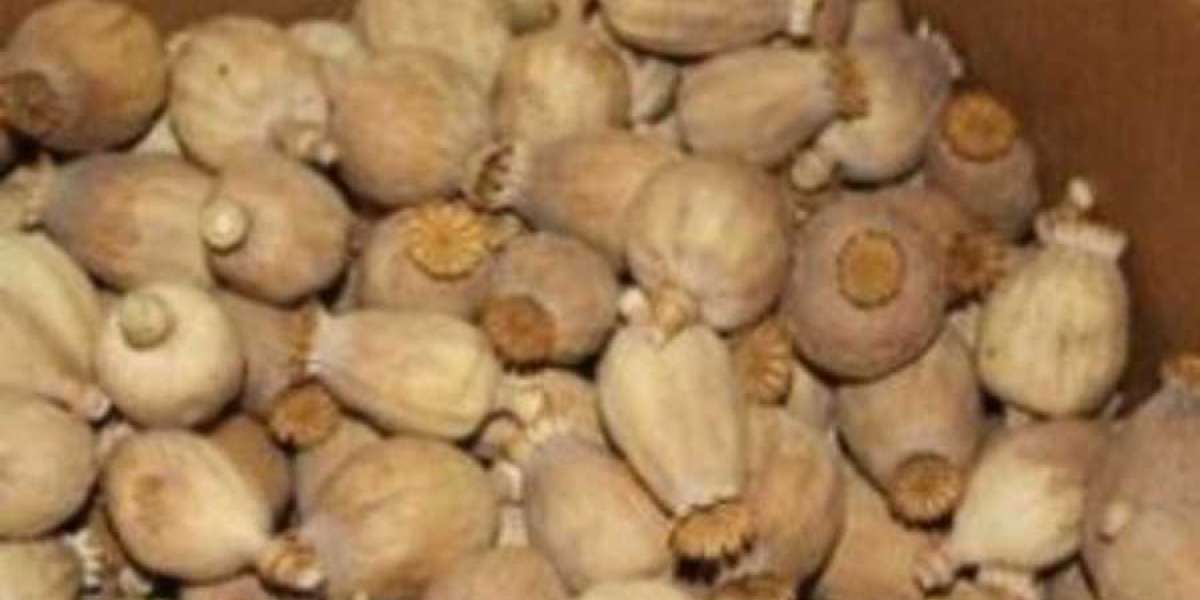
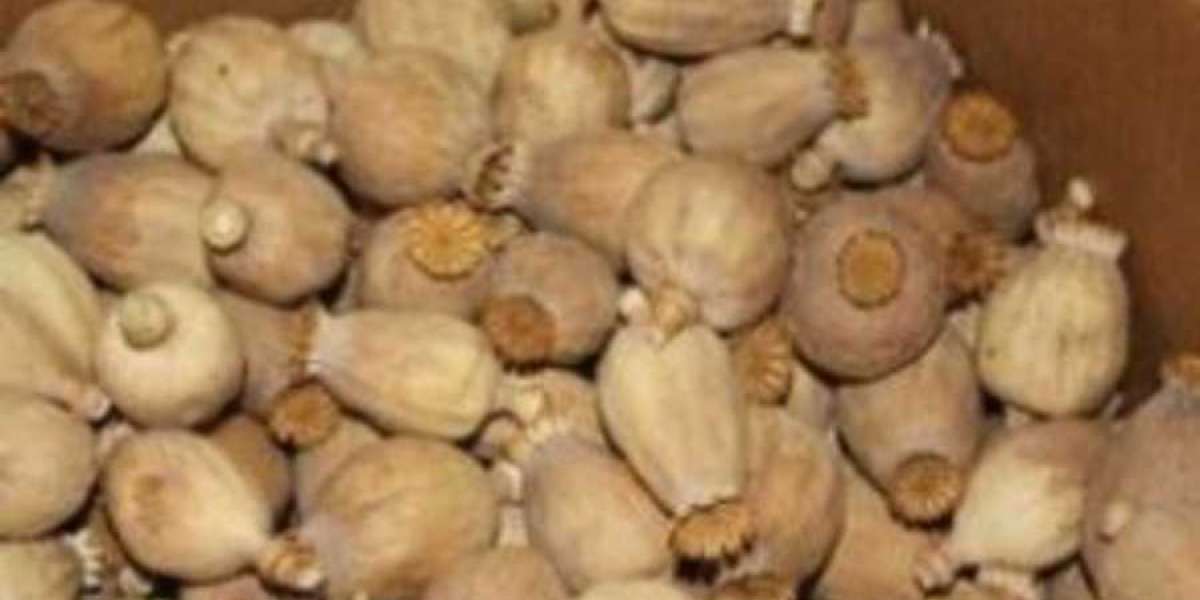
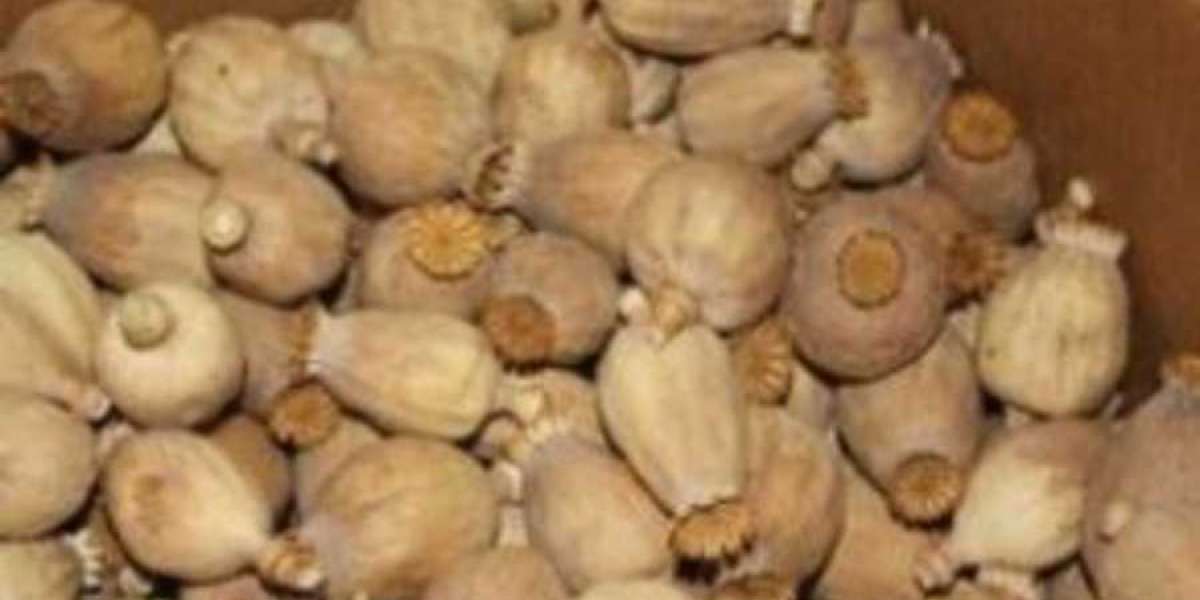
Each pod features a smooth, bulbous body topped with a small crown-like cap. The shape ranges from nearly spherical to elongated, depending on the variety. When dried, these pods take on soft green, silvery, tan, or beige tones that blend beautifully with both fresh and dried botanical displays.
Poppy seed pods are best known in three areas: floral arrangements, home décor, and creative crafting. Their sculptural form and long shelf life make them a favorite among designers who want lasting, low-maintenance beauty.
The Anatomy of a Poppy Pod
Understanding the structure helps you choose the right pods for your project:
- The cap (stigmatic disc): The flat, star-patterned top that gives the pod its signature look.
- The body: The rounded capsule that holds tiny poppy seeds.
- The stem: Often left attached for use in floral arrangements and bouquets.
Popular Uses for Decorative Poppy Pods
Poppy pods are wonderfully versatile. Here are the most common ways people put them to work.
Floral Arrangements
Florists love dried poppy pods because they add height, texture, and a natural focal point. They pair well with dried grasses, eucalyptus, wheat, and preserved flowers. Because they don't wilt, they're perfect for arrangements meant to last through seasons or special events like weddings.
Home Décor
A simple vase filled with tall poppy seed pods makes an elegant statement on a mantel, dining table, or entryway. Their neutral tones complement modern, rustic, and bohemian interiors alike. Many people group them in clusters for a minimalist look or mix them with other natural elements for a fuller display.
Craft and DIY Projects
Crafters use poppy pods in wreaths, garlands, potpourri, and seasonal decorations. They can be painted, gilded, or left in their natural state. Because the pods are hollow and lightweight once dried, they're easy to work with in glue-based and wire-based projects.
Wedding and Event Styling
Event designers turn to decorative poppy pods for their organic, earthy appeal. They work beautifully in boutonnieres, table centerpieces, and hanging installations. Their durability means they can be prepared well in advance without losing their charm.
Types and Varieties of Poppy Pods
Not all poppy pods look the same. Different poppy species produce pods with distinct shapes and sizes. Knowing the varieties helps you choose the right style for your needs.
Giant Poppy Pods
These large, dramatic pods can measure several inches across. They're ideal for bold arrangements and statement pieces where you want visual impact.
Standard Round Pods
The classic, medium-sized pod with a rounded body and prominent cap. This is the most widely available style and works in nearly any project.
Elongated or Tall Pods
Slimmer and taller, these pods add vertical interest and elegance. They're popular in tall vases and structured floral designs.
Natural vs. Bleached Pods
- Natural pods retain their earthy green, tan, or gray tones.
- Bleached or dyed pods are treated to achieve white, gold, or custom colors, giving designers more creative flexibility.
How to Buy Poppy Pods
When you're ready to buy poppy pods, a little knowledge goes a long way toward getting quality products.
What to Look For
- Intact caps and bodies: Choose pods without cracks or crushed sections.
- Uniform color: Consistent tones look better in arrangements.
- Sturdy stems: If you plan to use them in bouquets, longer, stronger stems are ideal.
- Size consistency: For grouped displays, matching sizes create a polished look.
Where to Find Poppy Pods for Sale
You'll find decorative poppy pods at:
- Floral supply shops that specialize in dried and preserved botanicals
- Craft and hobby stores with seasonal décor sections
- Online marketplaces offering bulk quantities and specialty varieties
- Farmers markets and local growers during harvest season
When buying online, read product descriptions carefully. Check the size, quantity, and whether stems are included. Buying in bulk often saves money if you have a large project or run a floral business.
Buying in Bulk
If you're a florist, crafter, or event planner, purchasing poppy pods in bulk makes sense. Bulk orders typically offer better per-unit pricing and ensure you have enough matching stems for large projects. Just confirm the seller's return policy and shipping practices to avoid damaged deliveries.
How to Grow Poppy Pods
Growing your own poppies gives you a fresh supply of pods and the satisfaction of harvesting them yourself. Ornamental poppies are relatively easy to grow in the right conditions.
Choosing the Right Variety
For decorative pods, look for ornamental poppy varieties known for large, attractive seed heads. Breadseed and ornamental types are popular choices among gardeners who want showy pods.
Planting Basics
- Timing: Sow seeds in early spring or late fall, depending on your climate.
- Soil: Poppies prefer well-drained soil in a sunny location.
- Spacing: Scatter seeds thinly, since poppies dislike being transplanted.
- Watering: Keep soil lightly moist until seedlings establish, then water moderately.
Caring for Your Poppies
Poppies are low-maintenance once established. Give them full sun, avoid overwatering, and let the plants mature naturally. Resist the urge to deadhead every flower—those spent blooms become your future pods.
Harvesting the Pods
Wait until the pods turn from green to a dry, papery tan or gray. Cut the stems and hang them upside down in a dry, well-ventilated space. Once fully dried, they're ready for display or storage.
How to Care for and Preserve Dried Poppy Pods
One of the biggest advantages of poppy pods is their longevity. With proper care, they can last for years.
Keep Them Dry
Moisture is the enemy of dried botanicals. Store and display your pods in a dry environment away from humidity, which can cause softening or mold.
Avoid Direct Sunlight
Prolonged sun exposure can fade natural colors. Display pods in indirect light to preserve their tones.
Handle with Care
Dried pods can become brittle. Handle them gently, especially the caps, which are the most delicate part.
Dusting and Cleaning
Use a soft brush, a hairdryer on a cool setting, or a can of compressed air to gently remove dust. Avoid water, which can damage the dried material.
Long-Term Storage
If you're storing pods between seasons, place them in a breathable box away from moisture and pests. Silica gel packets help keep the storage area dry.
Why Poppy Pods Are Worth It
Poppy pods offer a rare combination of beauty, versatility, and durability. They bring an organic, sculptural quality to any space and require almost no upkeep once dried. Whether you buy them ready-made or grow your own, they deliver lasting value for florists, decorators, and hobbyists alike.
Their neutral palette works with virtually any color scheme, and their unique form makes them a conversation piece in any arrangement. For anyone who loves natural décor with staying power, decorative poppy pods are a smart and stylish choice.
Frequently Asked Questions About Poppy Pods
What are poppy pods used for?
Poppy pods are used mainly for decorative purposes. Popular uses include floral arrangements, home décor, wreaths, garlands, potpourri, and craft projects. Their sculptural shape and long-lasting quality make them a favorite for both everyday displays and special events like weddings.
How long do dried poppy pods last?
With proper care, dried poppy pods can last for several years. Keep them in a dry environment, away from humidity and direct sunlight, and handle them gently to prevent cracking. Regular light dusting helps them stay attractive over time.
Where can I buy poppy pods?
You can buy poppy pods at floral supply shops, craft and hobby stores, online marketplaces, and from local growers during harvest season. When shopping online, check the size, quantity, and stem length in the product description, and consider buying in bulk for large projects.
How do you dry poppy pods?
To dry poppy pods, wait until the seed heads turn from green to a papery tan or gray on the plant. Cut the stems and hang the pods upside down in a dry, well-ventilated space away from direct sunlight. Once they feel firm and fully dry, they're ready for display.
Can you grow your own poppy pods?
Yes, you can grow your own poppy pods by planting ornamental poppy seeds in well-drained soil and a sunny spot. Sow seeds in early spring or late fall, water moderately, and let the flowers mature into seed heads. After blooming, the pods form naturally and can be harvested once dry.
What is the difference between natural and bleached poppy pods?
Natural poppy pods keep their earthy green, tan, or gray tones, while bleached or dyed pods are treated to achieve white, gold, or custom colors. Natural pods suit rustic and organic styles, while bleached or colored pods offer more flexibility for modern and themed designs.
How do you clean dried poppy pods?
Clean dried poppy pods with a soft brush, a can of compressed air, or a hairdryer set to cool. These gentle methods remove dust without damaging the delicate caps. Avoid water, since moisture can soften the pods and cause them to deteriorate.
Are poppy pods good for wedding decorations?
Yes, poppy pods are excellent for weddings because they're durable, elegant, and easy to prepare in advance. They work well in centerpieces, boutonnieres, and hanging installations, adding a natural, textured look that complements many wedding themes.
Poppy pods bring timeless, natural beauty to any project. Whether you choose to buy poppy pods for sale from a trusted supplier or grow and harvest them yourself, these versatile seed heads offer lasting style with minimal effort—making them a standout choice for décor, floral design, and creative crafting.