
Why Identity and Access Management Is Essential for Modern Cybersecurity
As organizations embrace cloud computing, hybrid work, and digital transformation, traditional network-based security is no longer enough to protect business-critical systems. Today, users access applications and data from multiple devices and locations, making digital identities the new security perimeter. Rather than targeting firewalls or servers, cybercriminals increasingly focus on stealing user credentials to gain unauthorized access to enterprise systems.
Identity and Access Management (IAM) has become one of the most important cybersecurity frameworks for protecting digital identities and controlling access to sensitive resources. By verifying users, managing permissions, and enforcing access policies, IAM helps organizations reduce the risk of unauthorized access while supporting secure business operations.
The importance of identity security continues to grow. According to the Verizon 2025 Data Breach Investigations Report, credential abuse remains one of the leading methods attackers use to gain initial access, while exploitation of vulnerabilities increased by 34% compared to the previous reporting period. These findings highlight why organizations must strengthen identity security as part of a proactive cybersecurity strategy. (Source: Verizon 2025 Data Breach Investigations Report)
Many organizations work with a cybersecurity consultant to evaluate their IAM maturity, identify identity-related risks, and implement security strategies that align with evolving cyber threats and business objectives.
What Is Identity and Access Management (IAM)?
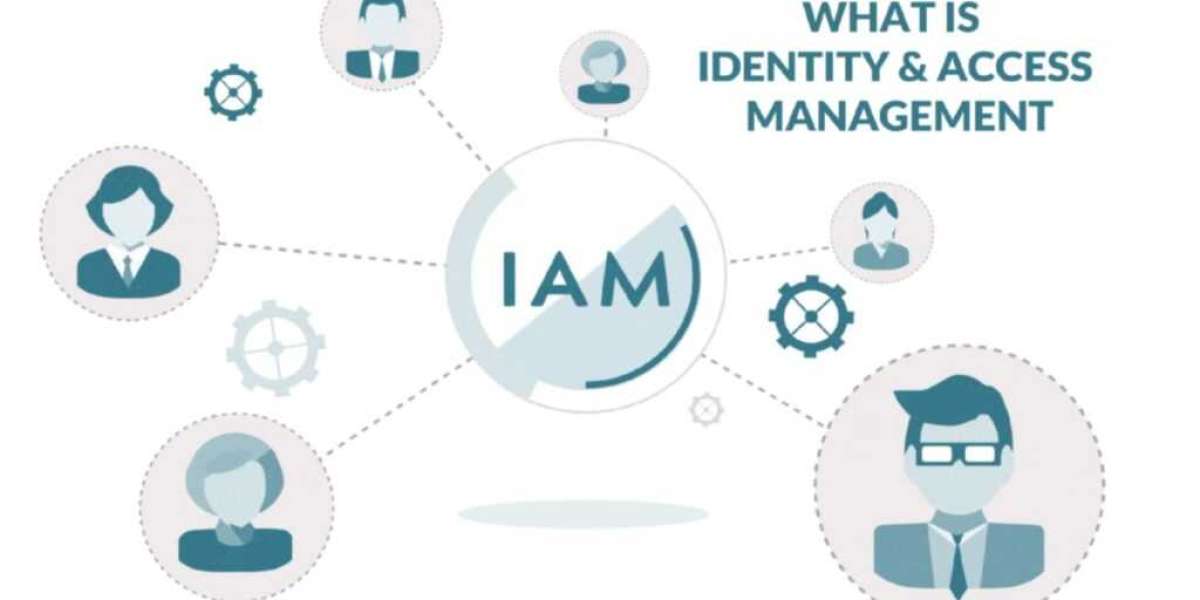
Identity and Access Management (IAM) is a cybersecurity framework that ensures the right individuals have access to the right systems, applications, and data at the right time. It combines policies, technologies, and processes to verify user identities, manage permissions, and control access across an organization's digital environment.
IAM is built around four core functions:
- Authentication verifies a user's identity through passwords, Multi-Factor Authentication (MFA), biometrics, or passwordless authentication.
- Authorization determines which resources a verified user is permitted to access.
- User Management oversees the creation, modification, and removal of user accounts throughout their lifecycle.
- Access Governance ensures permissions remain appropriate through continuous monitoring, auditing, and compliance reviews.
Together, these functions help organizations reduce security risks while improving operational efficiency and regulatory compliance.
Why IAM Is Critical for Modern Cybersecurity
Identity has become one of the most targeted components of modern cyberattacks. Instead of attempting to bypass security controls, attackers frequently exploit weak passwords, stolen credentials, and excessive user permissions to access enterprise systems.
Credential Theft
Credential theft remains one of the most effective attack methods. Phishing emails, credential stuffing, and password spraying allow attackers to compromise legitimate accounts without deploying sophisticated malware.
Insider Threats
Not every security incident originates from external attackers. Employees, contractors, or third-party vendors with excessive permissions can intentionally or accidentally expose sensitive information. IAM minimizes this risk by enforcing least-privilege access and regularly reviewing user permissions.
Cloud Security Risks
As organizations migrate workloads to public and hybrid cloud environments, managing identities across multiple platforms becomes increasingly complex. IAM provides centralized identity management that helps secure cloud applications, APIs, and remote access.
Regulatory Compliance
Many regulatory frameworks, including GDPR, HIPAA, and PCI DSS, require organizations to implement strong identity controls, maintain audit trails, and restrict access to sensitive information. IAM simplifies compliance by automating access governance and user lifecycle management.
Core Components of an Effective IAM Strategy
An effective IAM program combines multiple security controls that work together to protect digital identities and reduce cyber risk.
Authentication
Authentication verifies user identities before granting access. Modern IAM solutions increasingly rely on Multi-Factor Authentication (MFA) and passwordless technologies to reduce the risks associated with compromised passwords.
Microsoft has reported that enabling MFA can block the overwhelming majority of automated password-based attacks, making it one of the most effective identity security controls available. (Source: Microsoft Security)
Authorization
After authentication, authorization determines what resources users may access. Organizations commonly implement Role-Based Access Control (RBAC) and the principle of least privilege, ensuring users receive only the permissions necessary to perform their responsibilities.
Identity Governance
Identity governance manages user accounts throughout their lifecycle from onboarding and role changes to account deactivation, helping organizations reduce unnecessary access and maintain regulatory compliance.
Privileged Access Management (PAM)
Administrative accounts possess elevated privileges that make them attractive targets for attackers. Privileged Access Management (PAM) limits administrative access, monitors privileged sessions, and reduces the likelihood of privilege escalation.
Single Sign-On (SSO)
Single Sign-On (SSO) allows users to securely access multiple applications with one authenticated login, improving both user experience and security while reducing password fatigue.
Common IAM Challenges Organizations Face
Despite significant advances in identity security, many organizations continue to struggle with IAM implementation due to increasingly complex IT environments.
Common challenges include:
- Password reuse and weak authentication practices
- Excessive user permissions that increase attack surfaces
- Identity sprawl across hybrid and multi-cloud environments
- Shadow IT and unmanaged third-party applications
- Delayed account deprovisioning when employees leave the organization
- Limited visibility into privileged account activity
These challenges can create opportunities for credential theft, insider threats, privilege escalation, and unauthorized access. Addressing them requires a proactive IAM strategy supported by continuous monitoring, regular access reviews, and strong governance.
IAM Best Practices for Stronger Identity Security
Implementing Identity and Access Management (IAM) effectively requires more than deploying technology. Organizations should establish a comprehensive identity security strategy that combines governance, continuous monitoring, and user education to reduce cyber risk.
Key IAM best practices include:
- Enforce Multi-Factor Authentication (MFA): Require MFA for all users, especially privileged accounts, to reduce the risk of credential-based attacks.
- Adopt a Zero Trust Security Model: Verify every user, device, and access request regardless of location or network.
- Apply the Principle of Least Privilege: Grant users only the minimum access required to perform their responsibilities and regularly review permissions.
- Automate Identity Lifecycle Management: Provision, modify, and remove user accounts promptly as employees join, change roles, or leave the organization.
- Monitor Privileged Accounts: Continuously track administrative access and suspicious account activity to detect potential compromise.
- Conduct Regular IAM Audits: Periodically review access controls, authentication policies, and compliance requirements to identify security gaps.
- Provide Security Awareness Training: Educate employees about phishing, password hygiene, and social engineering to reduce identity-related risks.
According to IBM's Cost of a Data Breach Report 2024, organizations that extensively deployed AI and security automation identified and contained breaches nearly 100 days faster and reduced the average breach cost by $2.2 million compared with organizations that did not use these technologies. Strengthening IAM alongside intelligent security monitoring significantly improves overall cyber resilience. (Source: IBM Cost of a Data Breach Report 2024)
How a Cybersecurity Consultant Strengthens IAM and Data Protection
A strong Identity and Access Management (IAM) strategy requires more than implementing authentication technologies it demands expert planning, governance, and continuous risk management. An experienced cybersecurity consultant helps organizations assess their identity security posture, identify vulnerabilities, and design IAM frameworks that align with Zero Trust principles, regulatory requirements, and business objectives. This includes strengthening authentication, authorization, privileged access management, and incident response capabilities to reduce identity-based cyber risks.
Beyond securing user identities, protecting sensitive information is equally critical. A data security consultant complements IAM by implementing data governance, encryption, access controls, and Data Loss Prevention (DLP) strategies that safeguard critical information throughout its lifecycle. By integrating strong identity management with effective data protection, organizations can reduce the risk of unauthorized access, support regulatory compliance, and build a more resilient cybersecurity program capable of defending against evolving threats.
Building an IAM Strategy That Supports Business Growth
Identity and Access Management should be viewed as a business enabler rather than simply a security control. A well-designed IAM strategy allows organizations to adopt new technologies with confidence while protecting critical systems and sensitive information.
Organizations that integrate IAM into their broader cybersecurity strategy are better positioned to:
- Secure digital transformation initiatives.
- Support remote and hybrid workforces.
- Strengthen customer trust and brand reputation.
- Simplify regulatory compliance.
- Reduce operational disruptions caused by cyber incidents.
- Improve long-term cyber resilience.
By embedding identity security into everyday business operations, organizations create a strong foundation for sustainable growth while remaining prepared for evolving cyber threats.
IAM Is the Foundation of Modern Cybersecurity
As cyber threats continue to evolve, protecting digital identities has become one of the most important aspects of enterprise security. Identity and Access Management provides the framework organizations need to verify users, control access, and reduce the risk of credential theft, insider threats, and unauthorized access.
However, successful IAM requires more than implementing authentication technologies. It demands continuous governance, regular access reviews, strong security policies, and strategic oversight. Partnering with an experienced cybersecurity consultant USA, such as Dr Ondrej Krehel, helps organizations develop IAM programs that align with business objectives, strengthen cyber resilience, and adapt to an increasingly complex threat landscape.
By investing in modern Identity and Access Management today, organizations can better protect their users, safeguard sensitive information, and build a stronger foundation for long-term cybersecurity success.
Frequently Asked Questions:
1. What is Identity and Access Management (IAM)?
Identity and Access Management (IAM) is a cybersecurity framework that manages digital identities and controls user access to systems, applications, and data.
2. Why is IAM important in cybersecurity?
IAM helps prevent unauthorized access, reduces identity-based cyber risks, strengthens regulatory compliance, and protects sensitive business information.
3. What is the difference between authentication and authorization?
Authentication verifies a user's identity, while authorization determines the resources that authenticated users are permitted to access.
4. How does Multi-Factor Authentication improve IAM?
Multi-Factor Authentication (MFA) adds an extra layer of verification, making it significantly harder for attackers to compromise accounts using stolen credentials.
5. Why should organizations work with a cybersecurity consultant for IAM?
A cybersecurity consultant helps assess identity security risks, implement effective IAM strategies, improve compliance, and strengthen overall cyber resilience.