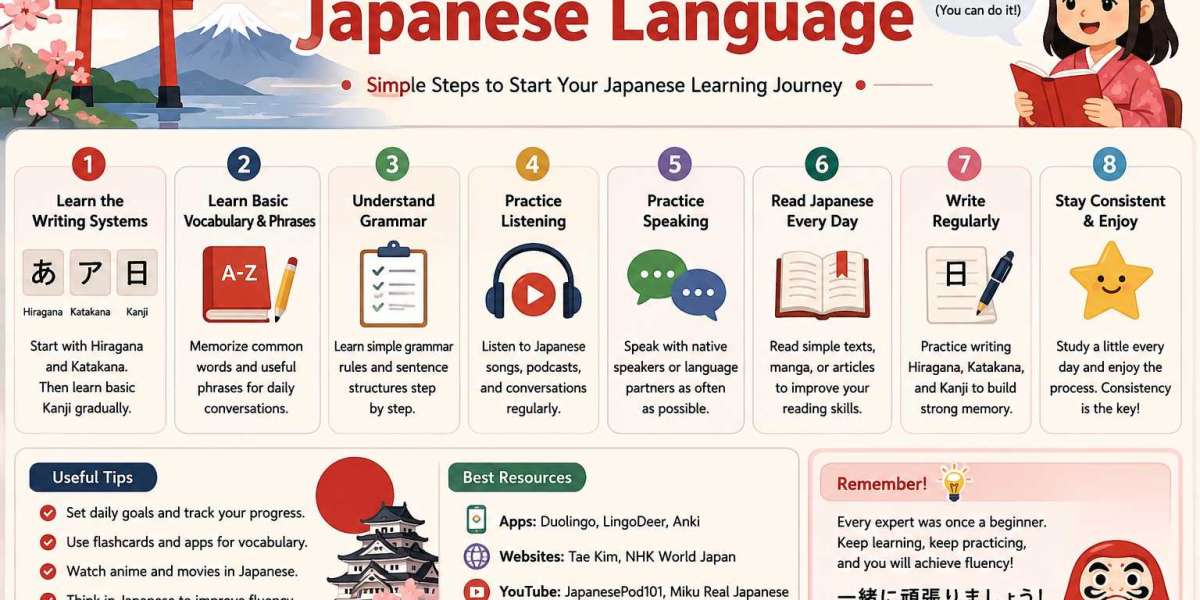

Learning Japanese in three months sounds ambitious, and it is. But "fast" doesn't have to mean fluent — it means building real, usable skills quickly through focused, consistent effort. With the right plan, a beginner can go from zero to holding basic conversations, reading simple text, and understanding everyday phrases within 90 days. Here's how to structure that journey.
Month 1: Build Your Foundation
How to Learn Japanese Language The first month is about laying groundwork you'll rely on for the rest of your studies. Skipping this stage to jump straight into vocabulary or grammar usually backfires.
Week 1-2: Master Hiragana and Katakana Japanese uses three writing systems, but hiragana and katakana are your starting point. These two phonetic alphabets (46 characters each) are the backbone of pronunciation and reading. Use apps like Duolingo, Renshuu, or simple flashcard drills to memorize them. Practice writing by hand — it reinforces memory far better than typing. Most learners can comfortably read both scripts within 10-14 days of daily practice.
Week 3-4: Core Grammar and Basic Vocabulary Once you can read hiragana and katakana, start learning sentence structure. Japanese follows a Subject-Object-Verb order, which differs from English, so early exposure matters. Focus on:
- Basic particles (は, を, に, で, が)
- Simple present and past tense verb forms
- 100-150 essential vocabulary words (greetings, numbers, family terms, common verbs)
Resources like Tae Kim's Guide to Japanese Grammar or the Genki textbook series are excellent for this stage. Pair grammar study with a spaced repetition system (SRS) like Anki to lock in vocabulary long-term.
Month 2: How to Learn Japanese Language Expand and Apply
By month two, you should shift from passive learning to active use. This is where real progress happens.
Week 5-6: Introduce Kanji Start learning basic kanji — aim for 100-150 characters covering common concepts (numbers, days, directions, body parts). Don't try to memorize every reading; focus on recognition and the most frequent pronunciation first. The WaniKani app or Remembering the Kanji by James Heisig are popular structured approaches.
Week 7-8: Conversational Practice Vocabulary and grammar mean little without practice. This is the point to start speaking, even if imperfectly. Options include:
- Language exchange apps (HelloTalk, Tandem) to chat with native speakers
- Shadowing exercises — repeating audio from anime, podcasts, or Japanese YouTube channels
- Simple self-talk, narrating your day in basic Japanese Words
Consistency matters more than perfection here. Aim for at least 20-30 minutes of speaking or listening practice daily.
Month 3: Immersion and Fluency Building
The final month is about tying everything together and pushing your comprehension further.
Week 9-10: Immersive Input Increase exposure to natural Japanese. Watch shows with Japanese subtitles instead of English, listen to podcasts designed for learners (like "Nihongo con Teppei" or "JapanesePod101"), and read graded readers or simple manga. This trains your ear and builds intuition for sentence patterns you've studied.
Week 11-12: Structured Review and Output Spend the last two weeks consolidating everything. Revisit grammar points that still feel shaky, expand your vocabulary to 500-800 words, and increase kanji recognition to around 200-300 characters. Practice writing short paragraphs about yourself, your day, or your interests. If possible, have a native speaker or tutor review your writing and speaking for corrections.
Daily Habits That Make the Difference
No matter which month you're in, certain habits accelerate progress:
- Study daily, even briefly. Twenty minutes every day outperforms three hours once a week.
- Use spaced repetition for vocabulary and kanji retention.
- Immerse yourself in Japanese media as often as possible — music, shows, social media.
- Speak from day one, even if it's just simple phrases to yourself.
- Track your progress weekly to stay motivated and identify weak spots.
Setting Realistic Expectations
Three months won't make you fluent — genuine fluency typically takes years of sustained study. But this plan will get you to a strong beginner-to-intermediate level: capable of basic conversations, reading simple texts, and understanding common spoken phrases. That's a meaningful, motivating milestone, and it creates a solid foundation for continued learning.
The key to success isn't cramming — it's consistency. Show up daily, mix input (reading, listening) with output (speaking, writing), and trust the process. Japanese is a challenging language for English speakers, but with focused effort, three months is enough time to build real momentum and fall in love with the language.