
Traveling is easier when travelers are aware of how airport check-in procedures and baggage check-in procedures are completed prior to departure day. A lot of travelers are focused on booking their flights and lodging but neglect the importance of arranging documents and preparing luggage properly and getting to the airport in time. These little details can greatly influence the overall travel experience.
Modern airports have strict security protocols and baggage screening systems and boarding times. The travelers who are prepared can avoid delays. They also lessen stress, and get through the airport with ease. Knowing the general guidelines for check-in and savvy carry-on procedures are particularly helpful for new and frequent travelers.
Understanding the Importance of Airport Check-In
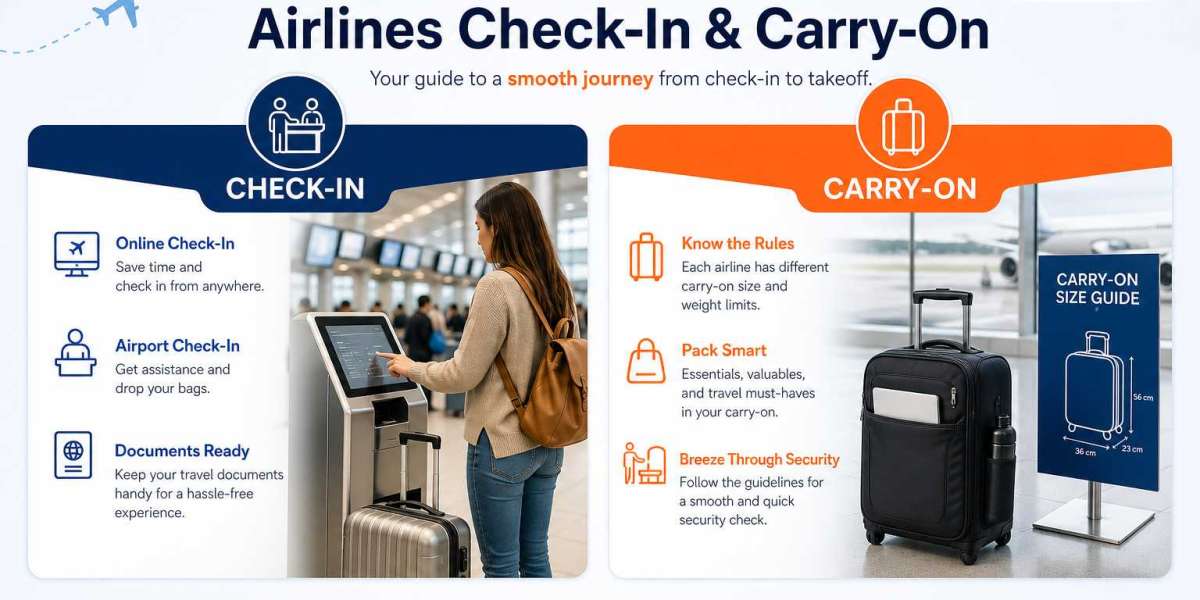
Check-in at the airport is in which travelers verify their travel information prior to taking off. At this point it is where identification documents are checked and boarding passes are issued or verified and baggage processing is completed in the event of need. Although digital travel systems are increasing in popularity but arriving without a plan can cause unnecessary problems.
The majority of travel experts recommend arriving at airports minimum two hours in advance of departures on domestic flights and around three hours prior to departures for international flights. The busy travel season storms, weather delays, and long security lines may make waiting times longer, which makes arriving early extremely beneficial.
Check-in online has become the preferred choice of many travellers due to the fact that it cuts down on time and decreases traffic on airport terminals. Making check-in online before arriving at the airport usually allows travelers to check in for their boarding passes in a flash and also review important travel information prior to departure.
Organizing Travel Documents Before Departure
One of the main reasons for delays at airports is a lack of organized travel documents. The ability to have all the necessary documents readily available will help speed security screenings and boarding procedures.
It is important to verify the authenticity of their ID and travel documents prior to departure. International travelers might also require additional documents depending on their destination conditions.
The most important things to consider organizing are:
- Identification issued by the government
- Passports and visas
- Boarding pass copies
- Travel insurance details
- Emergency contact numbers
- Confirmations of accommodation or hotel reservations
A lot of experienced travellers have digital backups safely stored on their mobile devices, or cloud storage platforms for added convenience.
Smart Carry-On Packing Strategies
Carry-on luggage plays a crucial function in modern travel as it allows travelers to keep their essential items close while traveling. But, bad packing habits frequently cause security issues or issues with boarding.
A compact and well-sized carry-on bag is often the best option. Avoid overpacking as large or heavy luggage may be difficult to maneuver in busy terminals and overhead storage spaces.
The efficiency of packing also allows travelers to make it easier to get through airport checkpoints faster. Organised compartments allow you to locate electronics, travel documents and personal belongings without removing the entire bag when undergoing inspections.
What to Keep Inside a Carry-On Bag
Travelers who have experience usually tend to focus on items that are essential instead of unnecessary items. Your carry-on bag should have important documents, valuable items and other items that are essential to the trip.
Essentials for carrying on a carry-on are:
- The mobile phone charger and the cell
- Portable power bank
- Medications
- ID and wallet
- Noise-canceling headphones
- Reusable water bottle
- Basic toiletries
- Layer of light clothing or jacket
If you are traveling for long distances, keeping an extra set of clothes in your carry-on bag could be beneficial when checked baggage has delays.
Security Screening and Restricted Items
The security procedures at airports are constantly evolving which is why it is important for travelers to be aware about the general screening procedures. Certain items may require additional inspections at security checkpoints.
Electronic devices, liquids, and metal objects are typically scrutinized when screening. Travelers must be sure to keep these items in a safe place in order to minimize delay at checkpoints.
Sharp tools, large liquid containers, and other prohibited substances should not be placed in luggage that you carry on. Security restrictions may vary based on destinations and airports therefore, reviewing the latest travel guidelines prior to departure is advised.
Common Travel Mistakes During Check-In
Many problems with airports arise because people rush through their preparations or overlook important details about travel. The most frequent errors include arriving late, carrying too much luggage, not remembering important documents or not reviewing the boarding details carefully.
Another issue that is frequently encountered is the need to rely completely on mobile devices, without backup plans. Battery levels that are low on phones or issues with internet connectivity can cause stress to travelers are unable to access their digital boarding passes or reservation information.
Experts in travel often suggest having printed copies of important documents for backup especially when traveling internationally.
Benefits of Planning Ahead
Travelers who are well-prepared typically have more streamlined airport navigation, and less interruptions that are unexpected. A well-planned itinerary can also help reduce anxiety during the peak travel time.
Simple practices like taking note of the traffic conditions prior to departing to the airport, reviewing baggage guidelines before departure and arranging travel essentials the night before departure could help make a change.
Digital travel tools can assist travelers to stay informed on baggage preparation, airport procedures, guidance and tips for planning a trip. For those seeking additional information, travelers can find helpful information on FlyTripInfo and other travel-related sources available at
Final Thoughts
Knowing how to check-in and carry-on packing tips is an important aspect of planning a safe trip. The travelers who prepare ahead, arrange their papers with care, and pack effectively are more likely to have a pleasant an enjoyable airport experience.
A well-planned approach will not only help travelers to save time, but also eases anxiety during travel. When you are traveling for leisure, business or family-related reasons A well-organized method for airport check-in and carry-on management can enhance the entire process from departure to.