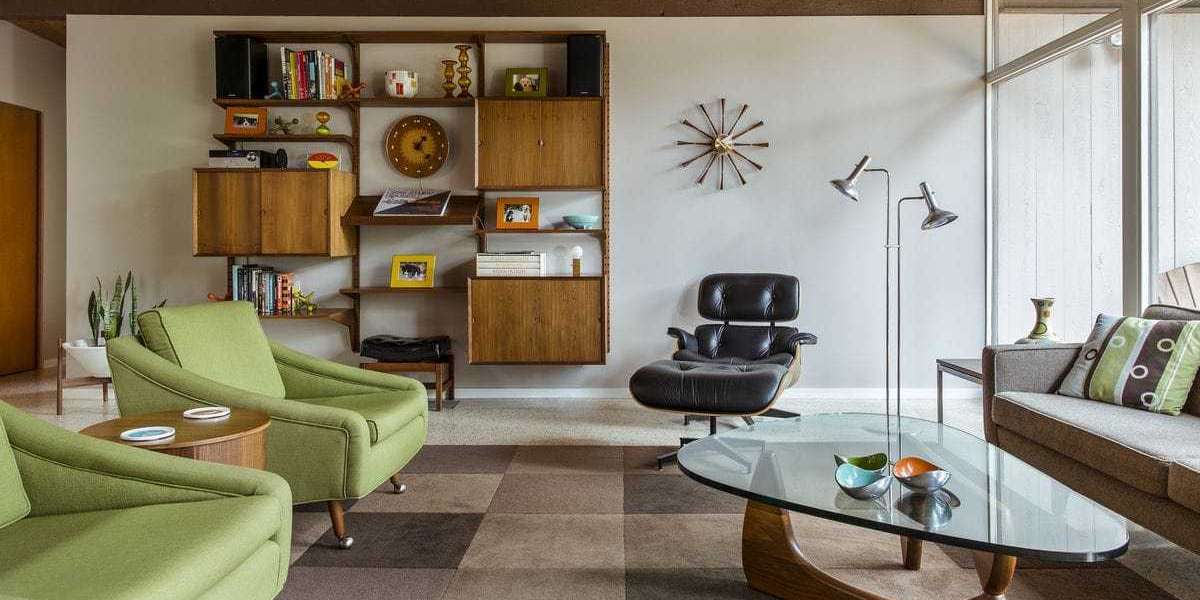

The demand for mid-century modern furniture has grown rapidly in the United States over the past decade, driven by design trends, resale value, and social media influence. Many buyers are now entering the market for mid-century modern furniture without fully understanding how complex authentication can be. This creates confusion between original pieces and modern reproductions that look almost identical at first glance.
The popularity of mid-century modern furniture has also increased prices significantly, especially for iconic designers like Eames, Saarinen, and Knoll-era production pieces. As a result, buyers often overpay for replicas thinking they are purchasing authentic items. Even interior designers who work with mid-century modern furniture occasionally struggle to verify provenance without documentation or expert help.
In many cases, people are also influenced by mid-century modern decor trends seen in magazines and social media platforms like Pinterest and Instagram. These platforms rarely explain the difference between real vintage and reproduction pieces, which adds to buyer confusion. The result is a growing market where misinformation spreads quickly.
Understanding how to properly evaluate mid-century modern furniture is no longer optional; it is essential for anyone investing in design or resale value. Without the right knowledge, even experienced collectors can make costly mistakes.
The Growing Confusion in the Market (Problem Deep Dive)
The resale market for mid-century modern furniture in the United States has expanded significantly, with platforms like 1stDibs and Chairish reporting strong annual growth in vintage furniture categories. According to industry reports, online vintage furniture sales in the U.S. have increased by more than 60% since 2020, showing how competitive this space has become. However, this growth has also led to a surge in reproductions being mislabeled as originals.
Many sellers intentionally or unintentionally list reproduction mid-century modern furniture as authentic due to lack of expertise or demand pressure. In estate sales and online marketplaces, it is common to see vague listings that do not include manufacturer details or production years. This makes it difficult for buyers to separate genuine mid-century modern furniture from mass-produced replicas.
Even high-end buyers searching for curated mid-century modern decor often rely on visual similarity rather than structural verification. This creates a market where appearance is prioritized over authenticity. As a result, buyers frequently discover later that their purchase does not hold resale value.
Why It Matters Financially and Culturally (Agitation)
The financial risk of misidentifying mid-century modern furniture is significant. Authentic pieces from designers like Charles and Ray Eames or Florence Knoll can sell for thousands of dollars, while reproductions may only be worth a fraction of that price. In auction houses such as Sotheby’s and Wright Auctions, verified mid-century modern furniture often sells at 3x to 10x higher value compared to similar-looking reproductions.
This price gap creates opportunities for fraud and misrepresentation. Buyers who are not trained in identifying mid-century modern furniture often rely on seller claims, which may not always be accurate. In some documented cases in the U.S. resale market, customers have reported paying premium prices for items later identified as 1990s or 2000s reproductions.
The cultural impact is also important. Genuine mid-century modern furniture represents a specific design movement from the 1940s to 1960s that shaped American modernism. When reproductions dominate the market without clear labeling, the historical value of mid-century modern furniture becomes diluted.
Even within modern interior design, mid-century modern decor is often used as a catch-all term for any retro-style furniture, which further blurs authenticity. This confusion weakens appreciation for original craftsmanship and design innovation.
The Buyer’s Checklist: First Steps to Identification (Solution Introduction)
To avoid costly mistakes, buyers need a structured approach to evaluating mid-century modern furniture. The first step is understanding that authenticity is not based on appearance alone. True mid-century modern furniture has specific production details, materials, and maker marks that set it apart from reproductions.
A reliable checklist should always include examination of labels, construction methods, material aging, and provenance records. While no single factor guarantees authenticity, a combination of indicators helps confirm whether a piece of mid-century modern furniture is genuine.
Buyers interested in mid-century modern decor should also train their eye to recognize design proportions and manufacturing inconsistencies. Many reproductions replicate surface aesthetics but fail to match original craftsmanship standards.
Materials, Craftsmanship, and Structural Clues (Solution Part 1)
One of the most reliable ways to evaluate mid-century modern furniture is by examining materials and joinery techniques. Original pieces from the mid-20th century often used solid hardwoods like teak, walnut, and oak, whereas many reproductions use engineered wood or laminated surfaces.
Authentic mid-century modern furniture typically shows natural aging patterns such as patina, oxidation, and wear consistent with decades of use. Reproductions often appear either too new or artificially distressed. This difference is especially noticeable in wooden legs and frame structures.
Joinery is another key factor. Original mid-century modern furniture frequently used dovetail joints, mortise-and-tenon construction, or high-quality industrial fasteners. Reproductions often rely on modern screws or simplified assembly methods that lack durability. Even within modern mid-century modern decor trends, these structural differences remain one of the most reliable indicators of authenticity.
Labels, Signatures, and Provenance Records (Solution Part 2)
Another critical step in verifying mid-century modern furniture is checking for manufacturer labels or designer marks. Companies like Herman Miller, Knoll, and Dunbar consistently labeled their products during production, which helps authenticate original pieces today.
However, labels alone are not enough, as they can be removed or counterfeited. Buyers should always cross-check labeling with design catalogs and production records. For example, authentic Eames chairs produced by Herman Miller have specific serial patterns that can be verified through archives.
Provenance is also essential. Documentation such as original receipts, auction records, or estate sale histories significantly increases confidence in mid-century modern furniture authenticity. In the U.S. auction market, pieces with verified provenance often sell 40% to 70% higher than similar unverified items. Even collectors focused on mid-century modern decor use provenance as a baseline for investment decisions.
Real-World Case Studies from the U.S. Market (Evidence Section)
In 2022, a well-documented case at a New York estate sale involved a supposed Eames lounge chair listed at $2,500. After expert evaluation, it was confirmed to be a 2000s reproduction, reducing its actual value to under $800. This highlights how easily mid-century modern furniture can be misrepresented.
In contrast, a verified Florence Knoll sofa sold at Wright Auctions in Chicago for over $18,000 due to confirmed authenticity and original upholstery. The same design reproduced today typically sells for under $3,000 in retail furniture stores.
Platforms like Chairish have also reported increased scrutiny from buyers requesting authentication for mid-century modern furniture listings. Sellers now frequently include detailed provenance documents to compete in the premium segment. These real-world examples demonstrate how the gap between authentic and reproduction mid-century modern furniture continues to widen in financial terms.
Final Buying Strategy and Long-Term Value
Understanding mid-century modern furniture requires more than visual appreciation; it requires structured evaluation and market awareness. Buyers who take time to study materials, labels, and provenance reduce their risk significantly.
The growing popularity of mid-century modern decor has made this design style more accessible, but it has also increased the presence of misleading reproductions. This makes careful evaluation more important than ever for both collectors and casual buyers.
Investing in mid-century modern furniture is rewarding when done with proper knowledge and verification. The market will continue to grow, but only informed buyers will consistently secure authentic, high-value pieces that retain both cultural and financial significance.