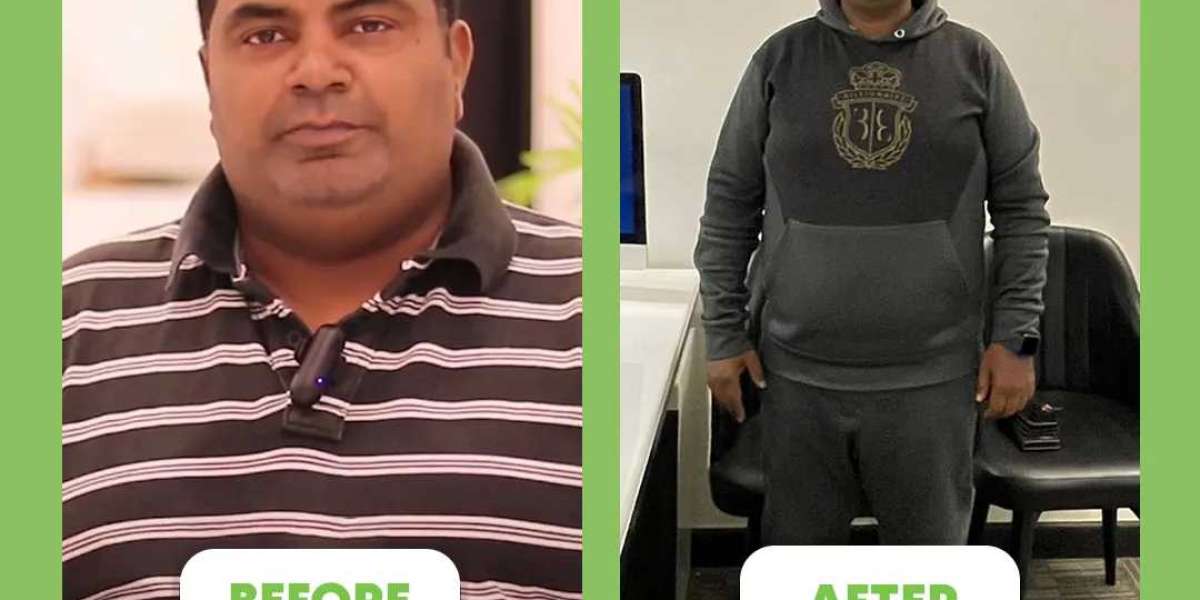

Losing weight is one of the biggest goals for individuals considering bariatric surgery, but many patients wonder how much weight they can realistically expect to lose. While bariatric surgery is one of the most effective treatments for severe obesity, the results vary from person to person based on several factors, including the type of procedure, commitment to lifestyle changes, diet, and physical activity. Understanding realistic expectations before surgery helps patients stay motivated and achieve long-term success.
For individuals considering Bariatric Surgery in Islamabad, knowing the expected weight-loss timeline, factors affecting results, and long-term lifestyle requirements is essential. Rather than offering an instant solution, bariatric surgery provides a powerful medical tool that supports sustainable weight loss when combined with healthy habits and regular follow-up care.
What Is Bariatric Surgery?
Bariatric surgery refers to a group of weight-loss procedures that alter the digestive system to help patients lose excess body weight. Depending on the surgical technique, the stomach size is reduced, food absorption is limited, or both.
The primary goals of bariatric surgery include:
- Achieving long-term weight loss.
- Reducing obesity-related health risks.
- Improving metabolic health.
- Enhancing quality of life.
- Supporting healthier eating habits.
Unlike crash diets that often lead to temporary results, bariatric surgery provides a medically proven approach for individuals struggling with severe obesity.
How Does Bariatric Surgery Help You Lose Weight?
Bariatric surgery works through several mechanisms that make weight loss more achievable and sustainable.
Reduced Stomach Capacity
After surgery, the stomach becomes significantly smaller, allowing patients to feel full after eating much smaller portions.
Lower Calorie Intake
Since portion sizes decrease naturally, daily calorie consumption is substantially reduced.
Hormonal Changes
Certain bariatric procedures reduce hunger hormones, helping patients feel less hungry throughout the day.
Improved Metabolism
Many patients experience improved insulin sensitivity and better metabolic function, contributing to healthier weight management.
How Much Weight Can You Lose After Bariatric Surgery?
Weight loss depends on the procedure performed and how well patients follow medical recommendations.
Generally, patients lose a significant percentage of their excess body weight over the first 12 to 24 months after surgery.
Typical expectations include:
- Rapid weight loss during the first six months.
- Continued gradual weight loss for up to two years.
- Long-term weight maintenance through healthy lifestyle habits.
- Significant improvement in body composition.
The focus should always be on improving health rather than achieving a specific number on the scale.
Factors That Affect Weight Loss Results
Every patient's journey is unique.
Type of Bariatric Procedure
Different procedures produce different weight-loss outcomes.
Examples include:
- Gastric Sleeve
- Gastric Bypass
- Mini Gastric Bypass
Each has its own advantages depending on individual health conditions.
Starting Weight
Patients with higher initial body weight often lose more total kilograms, although the percentage of excess weight loss may be similar.
Diet Compliance
Following the recommended nutrition plan greatly influences long-term success.
Healthy habits include:
- Prioritizing protein.
- Eating smaller meals.
- Avoiding sugary beverages.
- Limiting processed foods.
- Drinking adequate water.
Physical Activity
Exercise helps preserve muscle mass while increasing fat loss.
Recommended activities include:
- Walking.
- Cycling.
- Swimming.
- Resistance training.
- Low-impact aerobic exercise.
Regular Follow-Up
Routine visits allow healthcare providers to:
- Monitor progress.
- Detect nutritional deficiencies.
- Adjust dietary plans.
- Address concerns early.
Weight Loss Timeline After Bariatric Surgery
Understanding the recovery timeline helps patients set realistic expectations.
First Month
Most patients experience rapid weight loss during the initial weeks.
During this period:
- Swelling gradually decreases.
- Liquid and soft foods are introduced.
- Energy levels begin improving.
- Walking becomes easier.
Three Months
Noticeable body changes become visible.
Patients often experience:
- Improved mobility.
- Better stamina.
- Reduced clothing sizes.
- Increased confidence.
Six Months
Weight loss continues steadily.
Many obesity-related conditions also begin improving during this stage.
Twelve Months
Most patients achieve a large portion of their expected weight loss within the first year.
Healthy habits remain essential for maintaining results.
Two Years
Weight typically stabilizes.
Patients who maintain healthy eating and regular exercise usually enjoy long-lasting outcomes.
Health Benefits Beyond Weight Loss
Bariatric surgery offers much more than physical transformation.
Medical Improvements
Many patients experience improvement in:
- Type 2 diabetes.
- High blood pressure.
- Sleep apnea.
- High cholesterol.
- Joint pain.
- Fatty liver disease.
Better Mobility
As excess weight decreases, everyday activities become easier.
Patients often report:
- Walking longer distances.
- Climbing stairs comfortably.
- Improved flexibility.
- Increased physical endurance.
Emotional Well-Being
Weight loss often contributes to:
- Greater self-confidence.
- Improved social interactions.
- Better mental health.
- Increased motivation.
- Enhanced quality of life.
What Should You Eat After Bariatric Surgery?
Nutrition is one of the most important factors affecting weight-loss success.
Stage One: Clear Liquids
Examples include:
- Water.
- Clear broth.
- Sugar-free drinks.
- Electrolyte beverages.
Stage Two: Full Liquids
Patients gradually add:
- Protein shakes.
- Low-fat yogurt.
- Smooth soups.
Stage Three: Soft Foods
Examples include:
- Scrambled eggs.
- Mashed vegetables.
- Soft fish.
- Cottage cheese.
Stage Four: Healthy Solid Foods
Long-term meals should focus on:
- Lean protein.
- Fresh vegetables.
- Fruits.
- Whole grains.
- Healthy fats.
Lifestyle Changes for Long-Term Success
Bariatric surgery is a lifelong commitment rather than a temporary solution.
Successful patients usually:
- Eat slowly.
- Chew food thoroughly.
- Avoid overeating.
- Stay physically active.
- Drink enough water.
- Take prescribed vitamins.
- Attend regular follow-up visits.
Consistency is the key to maintaining weight loss.
Can You Regain Weight After Bariatric Surgery?
Yes, weight regain is possible if healthy habits are not maintained.
Common causes include:
- Frequent snacking.
- Sugary drinks.
- Lack of exercise.
- Emotional eating.
- Missing follow-up appointments.
Fortunately, adopting healthy lifestyle habits significantly reduces this risk.
Risks and Possible Complications
Modern bariatric surgery is considered safe when performed by experienced surgeons, but every surgery involves some risks.
Possible complications include:
- Bleeding.
- Infection.
- Blood clots.
- Nutritional deficiencies.
- Acid reflux.
- Gallstones.
- Staple-line leakage.
Proper medical care minimizes these risks.
Who Is an Ideal Candidate?
Bariatric surgery may be appropriate for adults who:
- Have severe obesity.
- Have obesity-related health conditions.
- Have been unable to lose weight through conventional methods.
- Are committed to lifelong lifestyle changes.
- Understand the responsibilities associated with surgery.
A comprehensive medical evaluation helps determine eligibility.
Frequently Asked Questions
Is weight loss guaranteed?
Results vary depending on the procedure and the patient's commitment to healthy habits.
Will loose skin develop?
Some patients may develop loose skin after significant weight loss. The amount depends on age, genetics, skin elasticity, and total weight lost.
Can exercise improve results?
Yes. Regular exercise supports fat loss, improves muscle tone, and helps maintain long-term weight loss.
How long do results last?
Patients who maintain healthy eating habits, regular physical activity, and routine follow-up care often enjoy lasting results for many years.
Tips to Maximize Weight Loss After Bariatric Surgery
To achieve the best possible outcome:
- Follow your surgeon's dietary instructions.
- Consume enough protein daily.
- Stay hydrated.
- Exercise consistently.
- Avoid sugary snacks and drinks.
- Take prescribed supplements.
- Sleep adequately.
- Keep all follow-up appointments.
- Monitor your progress regularly.
- Stay committed to healthy lifestyle habits.
Choosing the Right Bariatric Surgeon
The expertise of your surgical team plays a significant role in achieving successful outcomes.
Look for:
- Experienced bariatric specialists.
- Modern surgical techniques.
- Comprehensive pre-operative assessment.
- Personalized treatment plans.
- Long-term nutritional support.
- Dedicated aftercare programs.
Selecting a qualified team improves both safety and long-term success.
Conclusion
For individuals living with obesity, Bariatric Surgery in Islamabad offers one of the most effective long-term solutions for achieving sustainable weight loss and improving overall health. While the amount of weight loss varies between individuals, patients who combine surgery with healthy nutrition, regular exercise, and ongoing medical follow-up often experience remarkable physical and emotional improvements. Setting realistic expectations and embracing permanent lifestyle changes are the foundation of lasting success.
If you are ready to begin your weight-loss journey with expert guidance, Slimthetics Clinic is committed to helping you every step of the way. Our experienced bariatric specialists provide personalized treatment plans, advanced surgical techniques, comprehensive nutritional counseling, and dedicated post-operative care to help you achieve safe, sustainable, and life-changing results. Take the first step toward a healthier future by consulting the expert team at Slimthetics Clinic today.