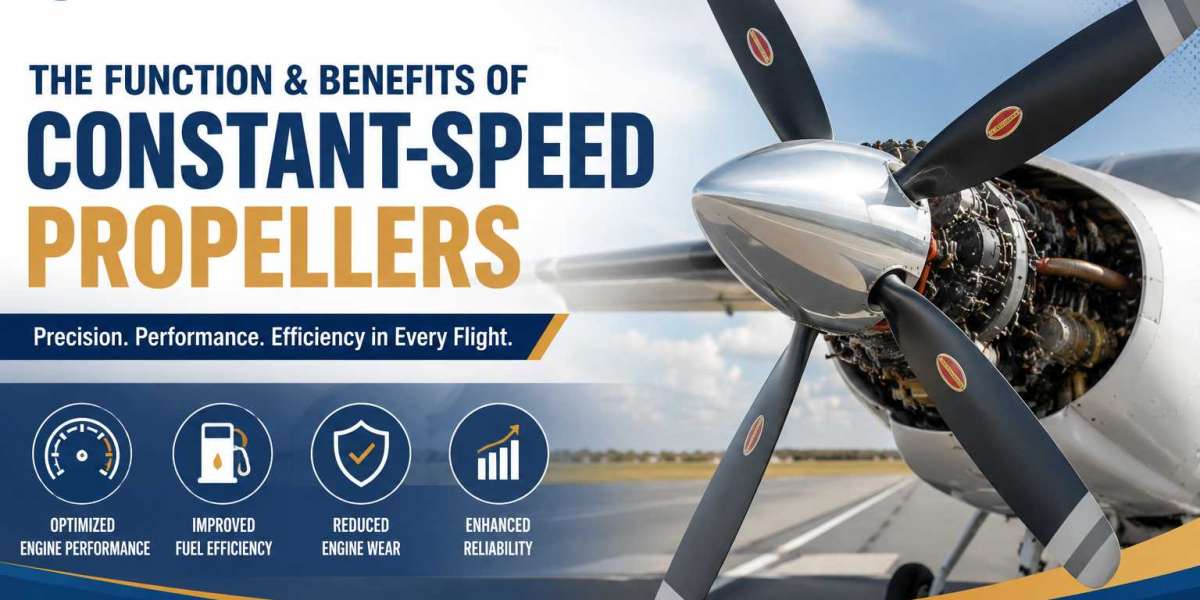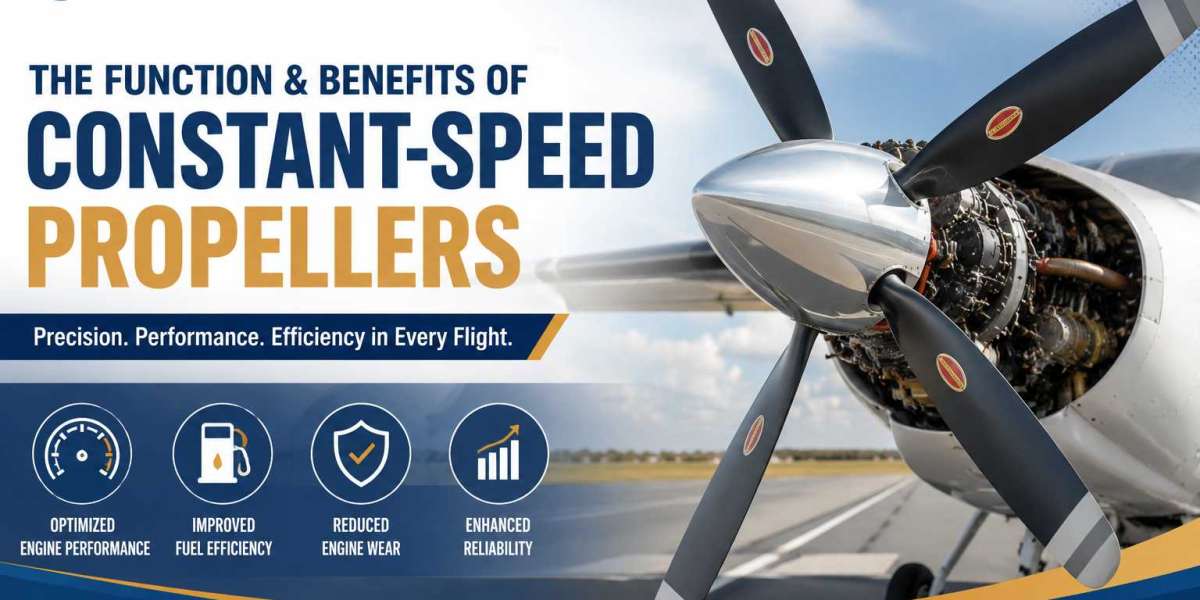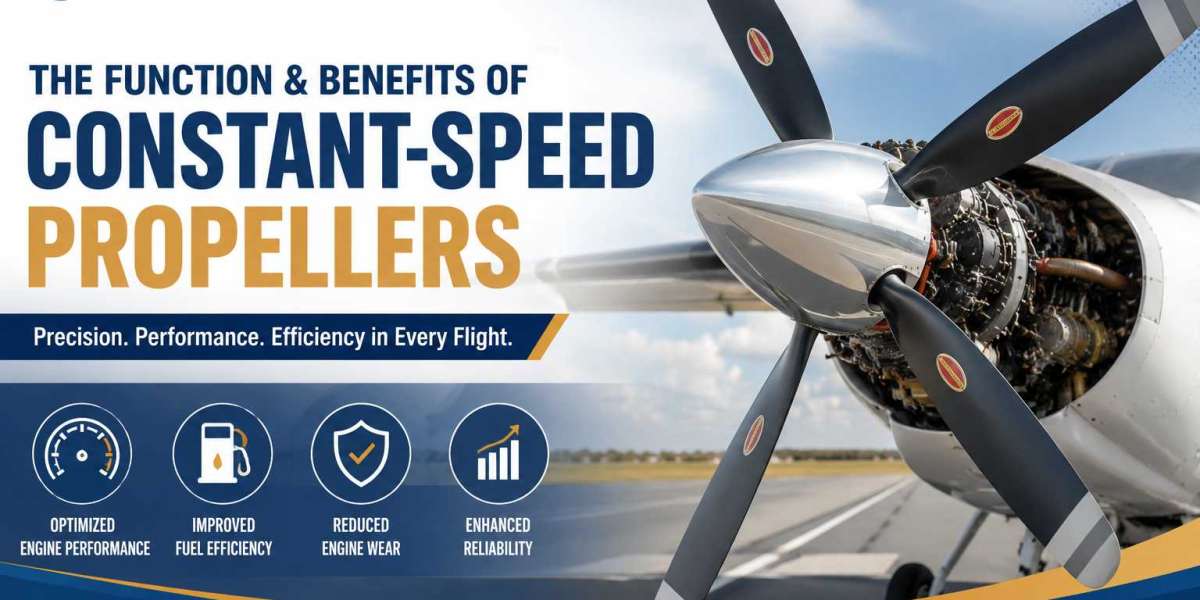

Constant-speed propellers are among the most important advancements in modern aircraft propulsion technology. Unlike fixed-pitch propellers, these systems automatically adjust blade pitch to maintain a consistent rotational speed (RPM), allowing aircraft engines to operate at peak efficiency throughout every phase of flight. Whether installed on general aviation aircraft, military platforms, or commercial turboprop aircraft, constant-speed propellers provide enhanced performance, improved fuel economy, and greater engine longevity.
In this guide, we'll explore how constant-speed propellers work, their major advantages, maintenance requirements, and why they remain a preferred choice for today's aircraft.
What Is a Constant-Speed Propeller?
A propeller is a rotating assembly of aerodynamic blades designed to convert engine power into thrust by accelerating air rearward. While all propellers perform this fundamental function, constant-speed propellers differ from fixed-pitch designs by automatically changing the angle of their blades during flight.
The blade angle, commonly known as propeller pitch, determines how much air the propeller moves during each rotation. By continuously adjusting pitch, a constant-speed propeller maintains a selected engine RPM regardless of changing airspeed, altitude, or engine power settings. This enables optimal engine performance under varying flight conditions.
How Does a Constant-Speed Propeller Work?
The operation of a constant-speed propeller relies on a hydraulic control system governed by a propeller governor. The governor constantly monitors engine RPM and compares it to the RPM selected by the pilot.
When engine speed changes, the governor automatically adjusts the blade pitch:
- If engine RPM increases above the selected value, the governor increases blade pitch, creating more aerodynamic resistance that slows the propeller back to the desired speed.
- If engine RPM falls below the selected setting, the governor decreases blade pitch, reducing resistance and allowing the engine to regain its target RPM.
These automatic adjustments occur continuously throughout flight, allowing pilots to focus on aircraft operation while the propeller system optimizes performance.
Key Benefits of Constant-Speed Propellers
Improved Aircraft Performance
One of the greatest advantages of a constant-speed propeller is its ability to maximize engine output throughout every stage of flight. During takeoff, climb, cruise, and descent, the propeller continuously adjusts blade pitch to provide the most efficient thrust possible.
Better Fuel Efficiency
Since the engine can operate at its most efficient RPM, fuel consumption is reduced compared to many fixed-pitch propeller systems. This improved efficiency helps lower operating costs while extending aircraft range.
Reduced Engine Wear
Constant-speed propellers minimize unnecessary engine strain by preventing excessive RPM fluctuations. Maintaining a stable operating speed reduces mechanical stress on engine components, helping increase engine service life and lowering long-term maintenance costs.
Enhanced Climb and Cruise Performance
Pilots benefit from stronger acceleration during takeoff, improved climb rates, and greater cruise efficiency. Automatic pitch adjustment allows the propeller to deliver optimal performance regardless of changing flight conditions.
Greater Operational Flexibility
Whether flying at low altitude, high altitude, or varying airspeeds, constant-speed propellers adapt automatically, making them ideal for aircraft operating across diverse mission profiles.
The Importance of the Propeller Governor
The propeller governor is the heart of a constant-speed propeller system. Using engine oil as hydraulic fluid, the governor controls oil pressure sent to the propeller hub, where an internal piston changes blade pitch.
This closed-loop hydraulic system ensures the propeller responds instantly to engine speed changes while maintaining the pilot's selected RPM setting. Proper governor operation is essential for maintaining aircraft performance, safety, and fuel efficiency.
Why Engine Oil Matters
Engine oil performs two critical functions in aircraft equipped with constant-speed propellers. Besides lubricating engine components, it also acts as the hydraulic medium used to adjust propeller blade pitch.
When pitch changes are required, pressurized engine oil flows into the propeller hub, moving a piston that rotates the blades to the appropriate angle. Maintaining proper oil quantity and quality is therefore essential for reliable propeller operation.
If oil pressure becomes insufficient, many propeller systems move toward a feathered position, which aligns the blades with the airflow to reduce drag and help protect the engine. Because operating characteristics vary by aircraft and manufacturer, pilots and maintenance personnel should always follow approved maintenance manuals and inspection schedules.
Maintenance Considerations for Constant-Speed Propellers
Like any critical aircraft component, constant-speed propellers require routine inspection and preventative maintenance to ensure continued reliability and safety.
Maintenance procedures typically include:
- Inspecting blades for cracks, corrosion, dents, erosion, or impact damage.
- Examining the propeller hub for leaks, wear, and structural integrity.
- Verifying proper operation of the propeller governor.
- Checking engine oil levels and hydraulic system performance.
- Replacing worn seals, bearings, and other components as specified by the manufacturer.
- Performing scheduled overhauls in accordance with maintenance requirements.
Routine inspections help detect potential issues before they become serious, reducing unexpected downtime and improving overall aircraft safety.
Choosing Quality Aircraft Propeller Parts
Whether you're maintaining an existing propeller system or upgrading aircraft components, sourcing high-quality aviation parts is essential. Using reliable replacement parts from trusted manufacturers helps maintain performance, safety, and regulatory compliance.
At Spares Universe, we offer an extensive inventory of aircraft propeller components, aviation hardware, NSN parts, and aerospace products from leading global manufacturers. Our procurement specialists help customers locate new, used, obsolete, and hard-to-find aircraft parts while providing competitive pricing, fast RFQ responses, and dependable delivery solutions.
Conclusion
Constant-speed propellers have revolutionized aircraft propulsion by delivering greater efficiency, improved performance, and enhanced engine protection. Through automatic blade pitch adjustment and hydraulic governor control, these systems maintain optimal engine RPM across all phases of flight, resulting in smoother operation, lower fuel consumption, and reduced maintenance costs.
Whether you're an aircraft owner, maintenance professional, or aviation procurement specialist, understanding how constant-speed propellers function can help you make informed decisions about maintenance, upgrades, and replacement components. When sourcing dependable aviation parts, Spares Universe is your trusted partner for quality aerospace solutions that keep your aircraft operating at peak performance.