
Emergencies can happen without warning, and knowing how to respond quickly can help protect lives. Whether in the workplace, at home, or in public spaces, having the right first aid knowledge allows individuals to provide immediate support before professional medical help arrives.
This is why emergency first aid training is an important qualification for employees, employers, and anyone who wants to develop essential life-saving skills. The certification provides practical knowledge of how to deal with common injuries, medical emergencies, and unexpected situations safely.
This guide explains everything you need to know about emergency first aid training certification, including course requirements, learning content, assessment methods, and the benefits of becoming qualified.
What Is Emergency First Aid Training Certification?
Emergency First Aid Training certification confirms that an individual has completed recognized training and understands how to respond to basic emergency situations.
The course teaches participants how to assess incidents, provide immediate care, and support casualties until emergency services arrive.
Unlike advanced medical qualifications, first aid training is designed for everyday situations and focuses on practical skills that anyone can learn.
The certification is commonly required or recommended for people working in environments where accidents may occur, including construction sites, offices, warehouses, schools, retail locations, and public facilities.
Who Needs Emergency First Aid Training Certification?
The qualification is suitable for a wide range of individuals and industries.
People who commonly complete Emergency First Aid Training include:
- Workplace first aiders
- Construction workers
- Supervisors and managers
- Office employees
- Retail staff
- Hospitality workers
- Teachers and childcare workers
- Community volunteers
- Business owners
Even when not required for a specific job role, first aid certification is a valuable personal skill that can help you support others during emergencies.
Are There Any Entry Requirements?
One of the benefits of emergency first aid training is that it is accessible to beginners.
Most courses do not require previous medical knowledge or experience. However, learners are usually expected to:
- Understand basic English
- Be able to participate in practical activities
- Attend the full course
- Follow trainer instructions
Some providers may have minimum age requirements, depending on their course policies.
What Is Covered During the Training?
The content of emergency first aid training focuses on practical emergency response skills.
Key topics usually include the following:
Understanding the Role of a First Aider
Participants learn the responsibilities of a first aider, including how to provide support safely while protecting themselves and others.
This includes understanding:
- Emergency procedures
- Casualty assessment
- Communication with emergency services
- Maintaining personal safety
Emergency Scene Assessment
Before providing assistance, first aiders must understand how to assess the situation correctly.
Training covers:
- Identifying hazards
- Checking if the area is safe
- Assessing the casualty
- Deciding appropriate actions
This helps prevent further harm during an emergency.
CPR Training
Cardiopulmonary resuscitation (CPR) is one of the most important parts of first aid certification.
Participants learn:
- How to recognise cardiac emergencies
- Correct chest compression techniques
- How to respond when someone is unresponsive
- When CPR should be started
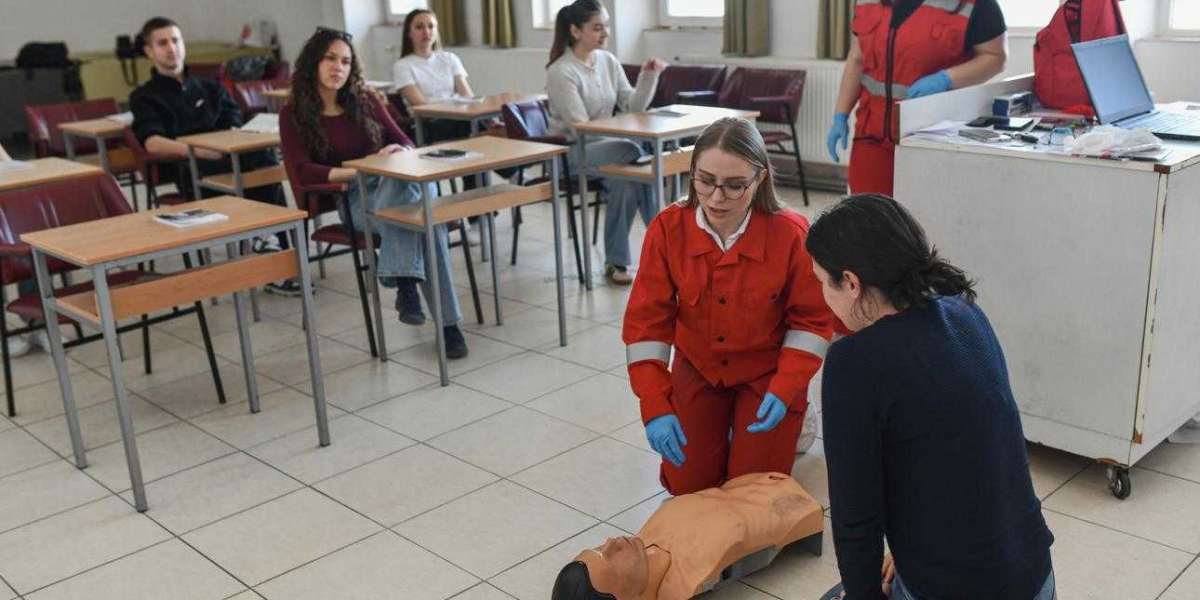
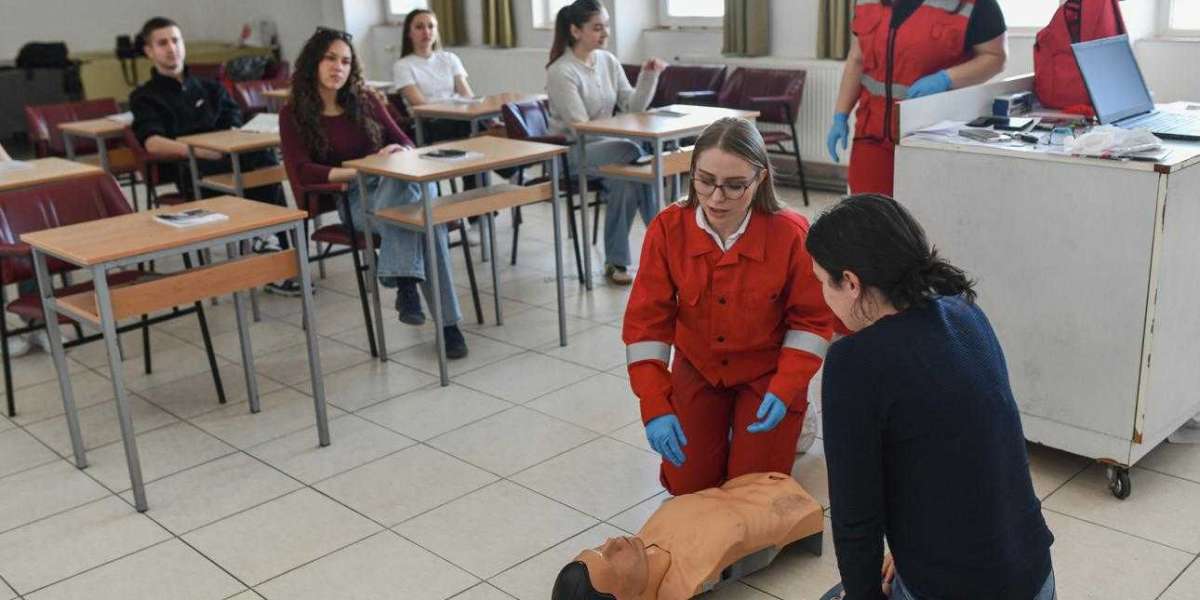
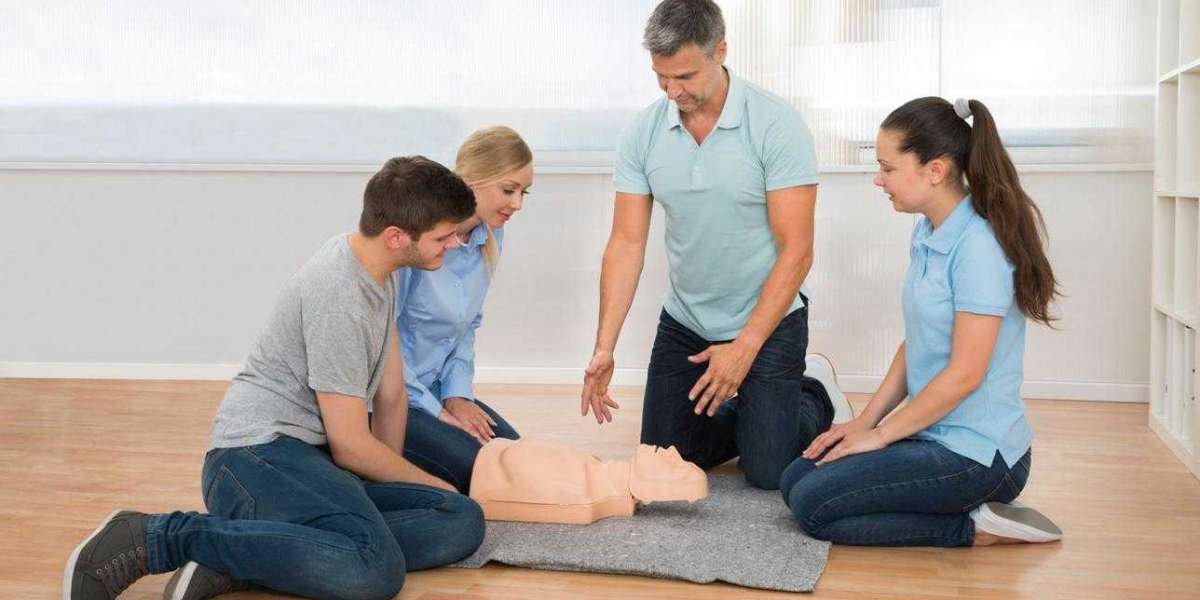
Practical CPR sessions allow learners to develop confidence through hands-on practice.
Automated External Defibrillator (AED) Awareness
Many emergency first aid training courses include AED awareness.
Learners are taught:
- What an AED does
- When it should be used
- How to follow device instructions
- How it supports CPR procedures
AED training helps individuals feel prepared to respond during serious cardiac emergencies.
Managing Choking Incidents
Choking requires quick action, and training teaches participants how to respond effectively.
Learners understand:
- Signs of choking
- Appropriate first aid techniques
- When to seek additional medical help
Treating Injuries and Bleeding
The course also covers common injuries that may occur at work or in daily life.
Participants learn how to manage:
- Cuts and wounds
- Severe bleeding
- Burns
- Minor injuries
- Workplace accidents
These skills help reduce the risk of complications before medical professionals arrive.
How Is Emergency First Aid Training Assessed?
Assessment is usually practical rather than based on a traditional written examination.
During the course, learners may be assessed through:
- Practical demonstrations
- CPR activities
- Emergency scenarios
- Trainer questions
- Participation in exercises
The purpose of assessment is to confirm that learners understand how to apply first aid skills correctly.
How Long Does Certification Last?
Most emergency first aid training certificates are valid for three years.
After this period, refresher training is recommended to ensure skills remain current and effective.
Regular practice is important because first aid skills can become less familiar if they are not used regularly.
Benefits of Becoming First Aid Certified
Completing certification provides many personal and professional advantages.
Ability to Respond During Emergencies
The main benefit is gaining the ability to provide immediate help when someone is injured or unwell.
Improved Workplace Safety
Trained employees help create safer workplaces by ensuring someone is available to respond during emergencies.
Increased Confidence
Knowing what actions to take reduces hesitation and improves decision-making during stressful situations.
Career Advantages
A first aid certificate can strengthen your CV and benefit roles where safety awareness is important.
Support for Others
First aid skills can help family members, colleagues, customers, and members of the public when they need assistance.
How to Choose the Right Training Provider
Choosing a suitable provider is important to ensure you receive quality instruction and recognized certification.
Before enrolling, consider:
- Trainer experience
- Course content
- Practical training opportunities
- Learner reviews
- Certification recognition
- Support provided during training
A reliable provider will help you develop confidence and practical first aid abilities.
Preparing for Your First Aid Course
To get the most from your training:
- Wear comfortable clothing for practical activities
- Arrive prepared and on time
- Participate in demonstrations
- Ask questions during sessions
- Practice techniques carefully
- Review course materials after training
Active participation helps you gain confidence and remember important procedures.
Final Thoughts
Completing emergency first aid training certification provides valuable skills that can make a real difference during emergencies. The course is designed for beginners and focuses on practical knowledge that can be applied in workplaces, public areas, and everyday situations.
From CPR and AED awareness to managing injuries and responding to emergencies, first aid certification prepares individuals to act quickly and confidently when support is needed. Investing in first aid training not only improves personal skills but also contributes to safer workplaces and communities.