
Knowing how to respond during a medical emergency can make a significant difference before professional help arrives. This is why first aid training is an important skill for employees, employers, and individuals who want to be prepared for unexpected situations.
Many people are unsure about what happens during a first aid course, especially if they have never attended one before. The training is designed to be practical, easy to understand, and suitable for beginners. Participants learn essential emergency response skills through a combination of theory, demonstrations, discussions, and hands-on activities.
This guide explains what happens during first aid training, what topics are covered, how assessments work, and how the course helps you respond confidently during emergencies.
Introduction to First Aid Training
First aid training teaches individuals how to provide immediate assistance to someone who is injured or becomes suddenly unwell. The aim is not to replace professional medical treatment but to provide safe and effective support until emergency services arrive.
The course helps learners understand how to assess situations, make quick decisions, and apply basic first aid techniques correctly.
Training is commonly used in workplaces, schools, construction sites, offices, warehouses, and public environments where accidents or medical emergencies may occur.
Course Introduction and Safety Awareness
At the beginning of the course, the trainer usually explains the purpose of first aid and the responsibilities of a first aider.
This introduction often covers:
- The role of a first aider
- Understanding emergency situations
- Staying safe while helping others
- Legal responsibilities
- The importance of contacting emergency services
Learners are introduced to the correct approach for handling emergencies while protecting themselves and the injured person.
Learning How to Assess an Emergency
One of the first skills taught during first aid training is how to assess an emergency situation.
Before providing help, a first aider must understand:
- What happened
- Whether the area is safe
- How many people need assistance
- What type of injury or illness is involved
This process helps prevent further harm and ensures the correct response is provided.
CPR Training and Practical Practice
Cardiopulmonary resuscitation (CPR) is one of the most important skills taught during first aid courses.
Participants learn:
- How to recognise cardiac emergencies
- How to check responsiveness
- How to perform chest compressions
- How to provide rescue breaths when appropriate
- When to use an Automated External Defibrillator (AED)
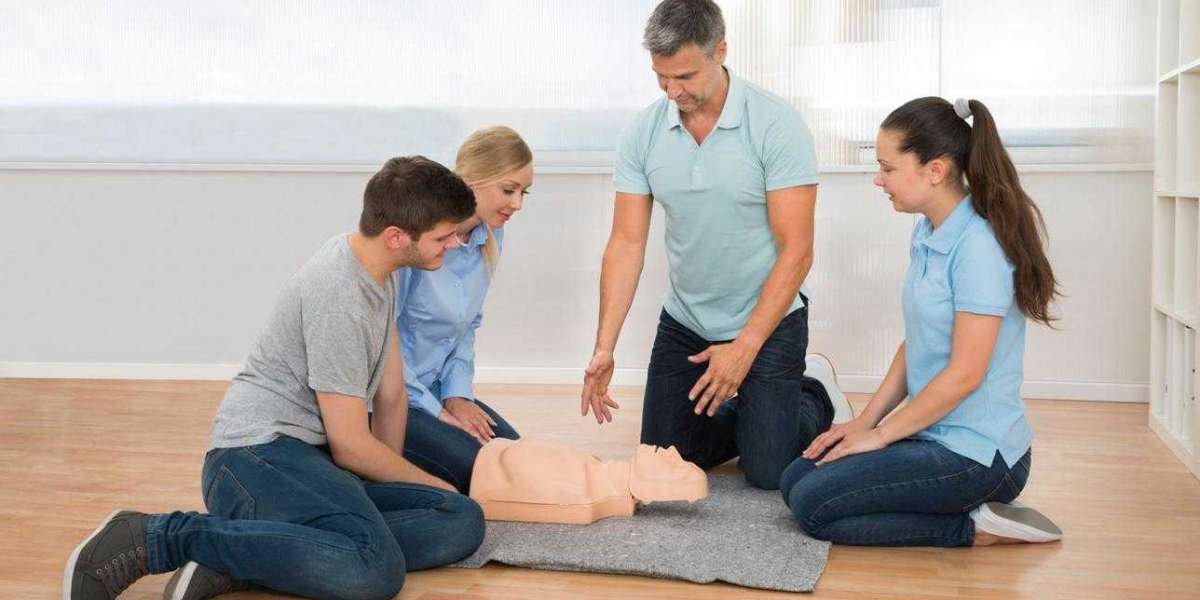
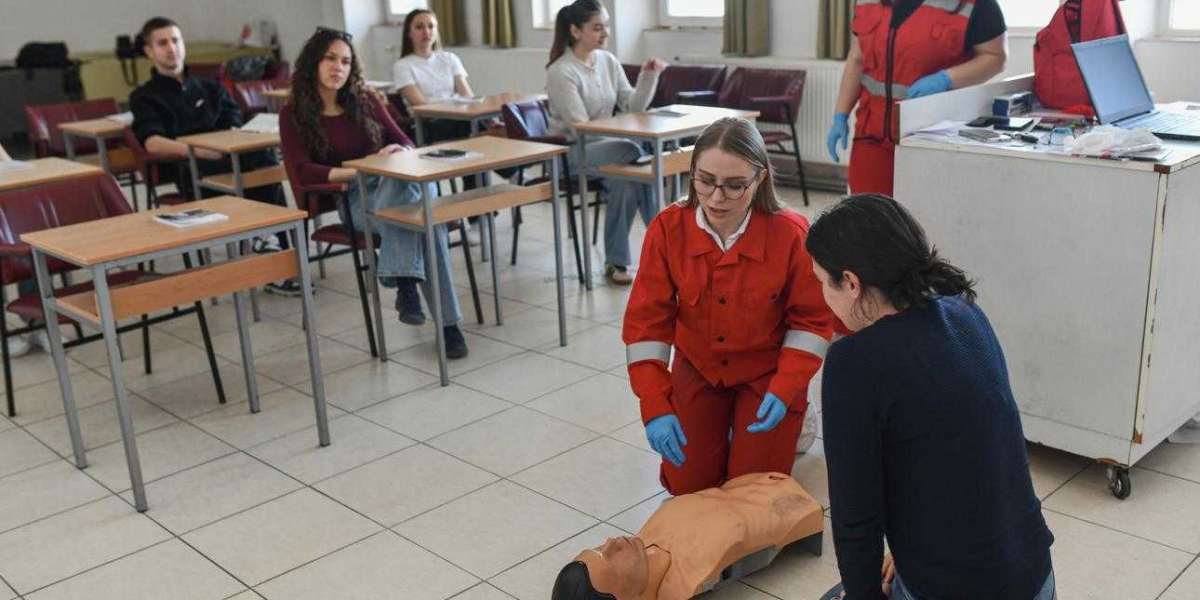
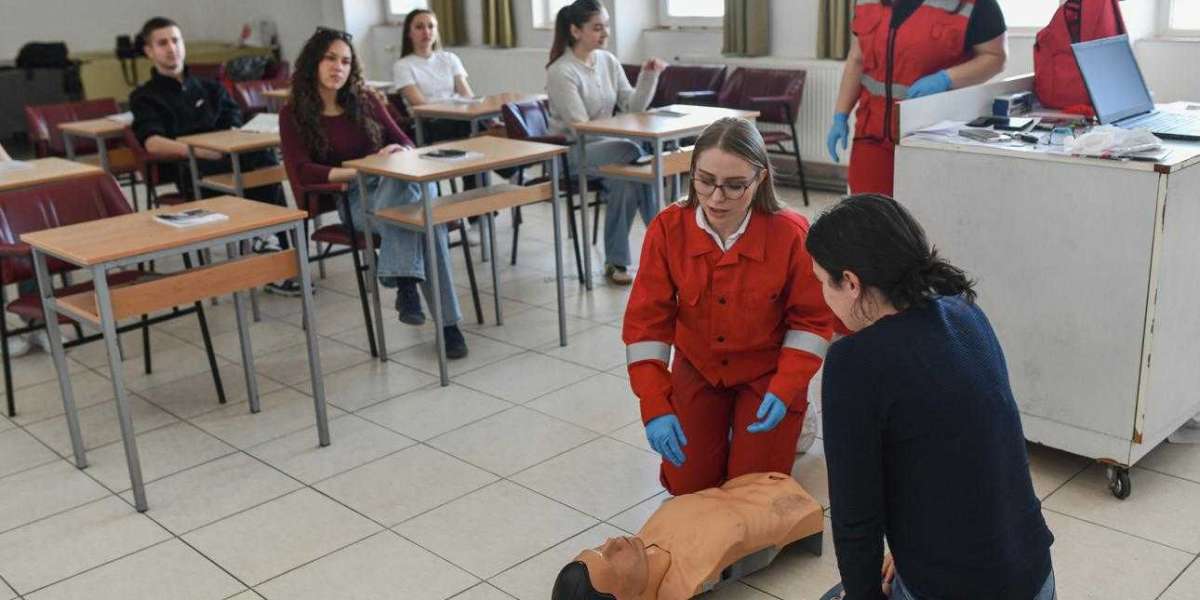
CPR practice is completed using training manikins, allowing learners to develop confidence through hands-on experience.
Using an AED
Many first aid training courses include guidance on using an automated external defibrillator.
Learners are shown:
- When an AED should be used
- How the device provides instructions
- How to safely attach pads
- How to follow emergency procedures
AEDs are designed to be simple to use, and training helps participants feel more prepared during cardiac emergencies.
Managing Choking Emergencies
Choking is a common emergency that requires quick action.
During training, participants learn how to:
- Recognise signs of choking
- Encourage safe responses
- Perform appropriate techniques
- Understand when further medical help is required
Practical demonstrations help learners understand how to respond correctly.
Treating Bleeding and Injuries
Another important part of first aid training involves learning how to manage common injuries.
Participants learn how to respond to the following:
- Cuts and wounds
- Severe bleeding
- Burns
- Sprains
- Minor injuries
- Workplace accidents
The training focuses on controlling injuries safely while waiting for professional medical support.
Understanding Shock and Unconsciousness
Medical emergencies can cause a person to experience shock or lose consciousness.
During the course, learners are taught how to:
- Identify signs of shock
- Keep the casualty safe
- Place someone in the recovery position
- Monitor their condition
- Provide reassurance
These skills help first aiders provide appropriate care until emergency responders arrive.
Workplace Emergency Scenarios
Many courses include realistic scenarios that allow participants to practice their skills.
These activities may involve:
- Simulated workplace accidents
- Emergency response exercises
- Team-based problem-solving
- Practical demonstrations
Scenario-based learning helps learners understand how first aid skills apply in real situations.
First Aid Equipment Knowledge
Participants are introduced to common first aid equipment and learn how it should be used.
This may include:
- First aid kits
- Bandages
- Dressings
- Gloves
- CPR equipment
- AED devices
Understanding available equipment helps first aiders respond more effectively during emergencies.
How Is First Aid Training Assessed?
Assessment methods depend on the type of course and training provider, but most programs focus on practical ability rather than traditional exams.
Assessment may include:
- Demonstrating CPR techniques
- Completing practical first aid tasks
- Answering questions from the trainer
- Taking part in emergency scenarios
Successful completion shows that learners understand key first aid principles and can apply their knowledge safely.
Benefits of Completing First Aid Training
Completing first aid training provides many personal and professional benefits.
Improved Emergency Confidence
Training helps individuals remain calm and take appropriate action during unexpected situations.
Better Workplace Safety
Trained employees can provide immediate support when accidents happen, helping create safer workplaces.
Increased Awareness
Participants become more aware of potential hazards and how to respond effectively.
Career Benefits
A recognized first aid qualification can strengthen your CV and support roles where safety responsibilities are important.
Support for Others
First aid skills can be used in workplaces, public areas, and everyday situations where someone needs immediate help.
Who Should Complete First Aid Training?
Although first aid skills are valuable for everyone, training is especially useful for the following:
- Workplace employees
- Managers and supervisors
- Construction workers
- Teachers
- Retail staff
- Hospitality employees
- Care workers
- Volunteers
- Parents and individuals interested in safety skills
Any person can benefit from knowing how to respond during an emergency.
Final Thoughts
Understanding what happens during first aid training helps remove uncertainty and prepares learners for what to expect. The course combines essential theory with practical exercises, allowing participants to develop the confidence and skills needed to respond during emergencies.
From CPR and injury management to emergency assessment and workplace safety, first aid training provides valuable knowledge that can help protect others when it matters most. Whether required for work or personal development, completing a first aid course is a worthwhile investment in safety and preparedness.