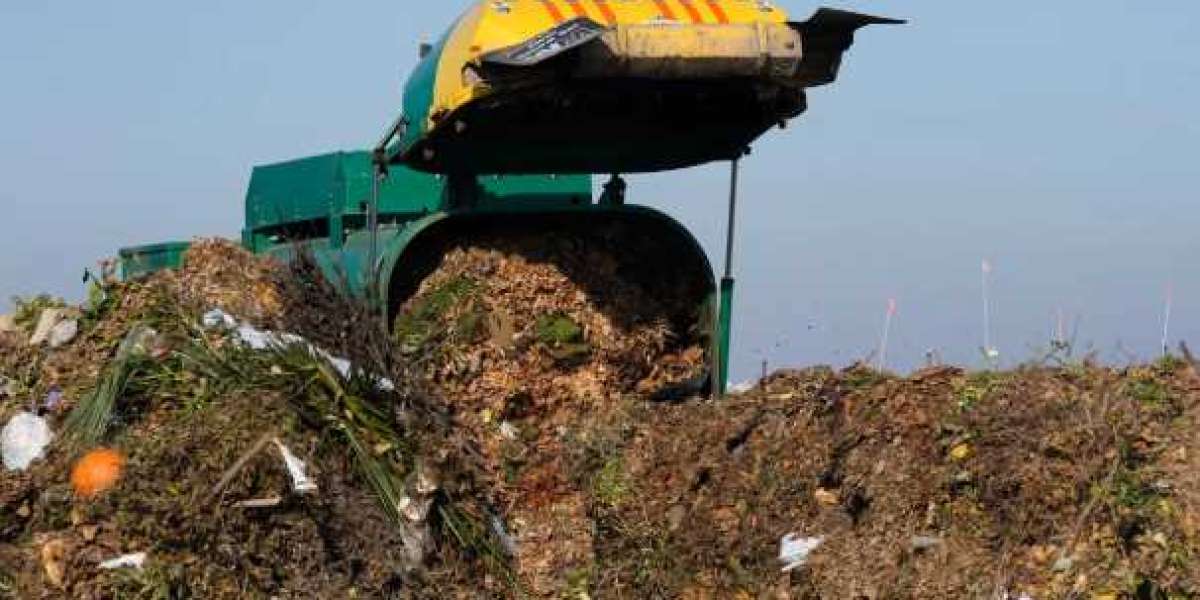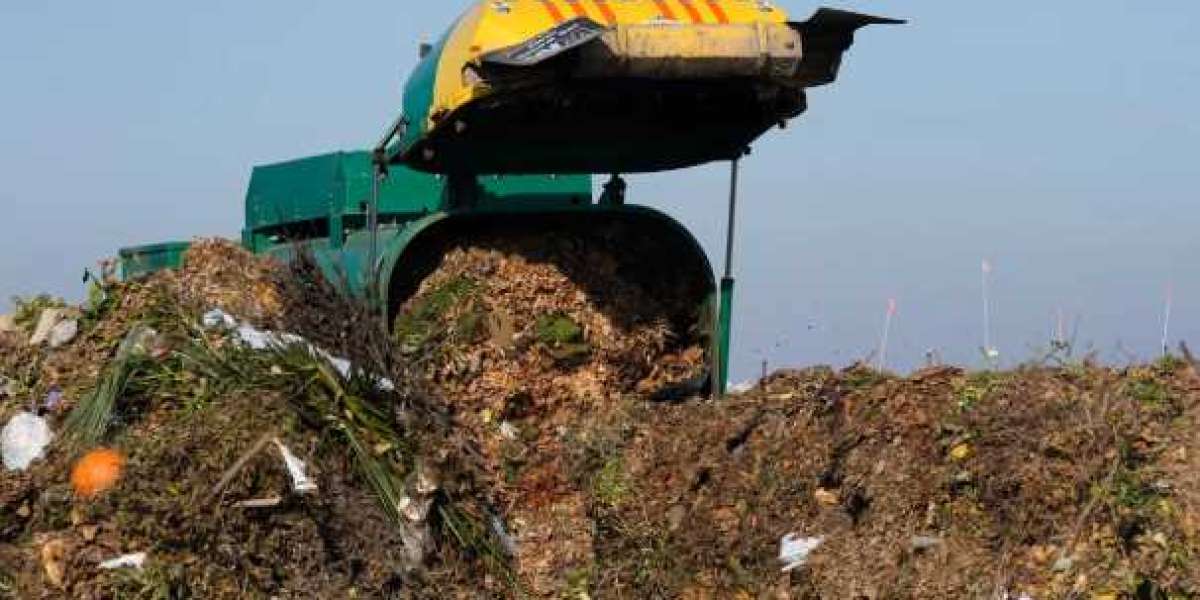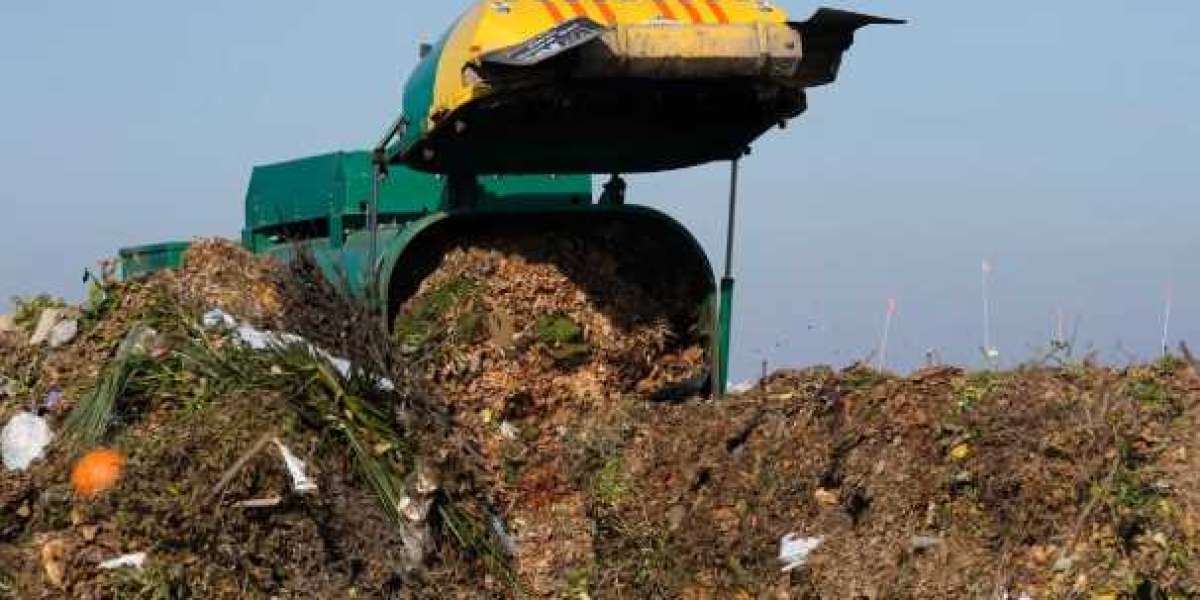

Efficient waste management is critical for both environmental sustainability and operational cost reduction. Organic waste—such as food scraps, garden clippings, and biodegradable materials—makes up a significant portion of total waste in homes, businesses, and industrial settings. Organics recycling provides a practical and environmentally responsible solution, converting organic materials into compost, mulch, or bioenergy rather than letting them occupy valuable landfill space. By implementing organics recycling systems, organisations can reduce greenhouse gas emissions, lower disposal costs, and create valuable resources from waste. The process not only improves overall waste management efficiency but also promotes a circular economy, ensuring resources are reused and environmental impact is minimised.
Why Is Organics Recycling Essential for Modern Waste Management?
Organic materials decompose naturally, but when they end up in landfills, they produce methane—a potent greenhouse gas. Organics recycling diverts these materials from landfills, allowing them to be converted into compost, soil conditioners, or renewable energy sources. This improves overall waste handling efficiency, reduces landfill reliance, and supports environmental sustainability. Implementing an organics recycling program also reduces disposal costs, minimises odour issues, and ensures compliance with increasingly strict waste management regulations. By focusing on organic waste streams, businesses and households can make a significant environmental impact while streamlining their waste management processes for better operational and ecological outcomes.
How Does Organics Recycling Reduce Landfill Waste?
Recycling organic materials prevents them from taking up landfill space, reducing methane emissions and extending landfill lifespan.
Can Recycling Organics Save Costs?
Yes. Diverting organic waste lowers disposal fees and can produce valuable resources like compost for landscaping or agriculture.
What Are the Key Benefits of Organics Recycling?
Organics recycling provides multiple advantages for environmental, economic, and operational aspects of waste management. These benefits include reducing greenhouse gas emissions, creating nutrient-rich compost, and lowering waste disposal expenses. Businesses and municipalities that adopt organics recycling can improve their sustainability metrics and enhance public perception while adhering to environmental regulations. For households, recycling food scraps and garden waste promotes eco-friendly practices, reduces landfill contributions, and fosters awareness about responsible waste handling. Overall, organics recycling contributes to a more efficient, sustainable, and circular waste management system, turning a potential problem into a valuable resource.
How Does It Improve Soil and Agriculture?
Processed organic waste can be transformed into compost, enriching soil and promoting sustainable agriculture.
Can It Reduce Environmental Impact?
Yes. Diverting organic waste reduces methane emissions, conserves energy, and lowers pollution levels.
How Can Organizations Implement Organics Recycling Effectively?
Successful implementation of organics recycling programs requires planning, infrastructure, and training. Segregation of organic materials at the source is critical, along with clear guidelines for collection, storage, and processing. Utilizing bins, labeled containers, or specialized skip bins helps streamline the process. Staff training ensures compliance, reduces contamination, and maximizes efficiency. Partnering with experienced recycling service providers allows organizations to manage organic waste effectively, convert it into valuable products, and track performance metrics.
Maintenance and Monitoring for Optimal Efficiency
Continuous monitoring and proper maintenance are essential for effective organics recycling. Ensuring bins are emptied regularly, contamination is minimized, and recycled materials are processed correctly helps maintain program efficiency. Tracking waste diversion rates and identifying improvement areas allows organizations to refine their processes, maximize resource recovery, and achieve long-term sustainability goals. Routine evaluation of the recycling program ensures it continues to meet operational needs while delivering environmental benefits, making the system both practical and impactful for communities and businesses.
Conclusion
Implementing organics recycling significantly improves waste management efficiency by reducing landfill dependence, lowering disposal costs, and creating valuable resources from biodegradable materials. Partnering with professional services that offer skip bin recycling ensures smooth collection, handling, and processing of organic waste. With proper planning, infrastructure, and training, households, businesses, and municipalities can achieve a more sustainable, cost-effective, and environmentally responsible waste management system. By prioritizing organics recycling, communities not only contribute to a cleaner planet but also optimize operational efficiency, turning organic waste into a resource rather than a disposal challenge.