
In Forza Horizon 6, seasons are not just a visual feature anymore—they are a core system that shapes how the entire open world behaves. The game brings back a fully evolving seasonal structure similar to earlier entries in the series, but this time it is more tightly integrated with gameplay, physics, and live online progression.
Everything in the world shifts on a fixed weekly schedule, meaning players across the globe experience the same seasonal state at the same time. This makes the world feel shared, competitive, and constantly moving.
The Weekly Season Rotation System
The entire open world runs on a four-week seasonal loop tied to the Festival Playlist. Every Thursday at 7:30 AM PT / 10:30 AM ET, the game automatically transitions into the next season.
The cycle always follows the same order:
Summer
Autumn
Winter
Spring
Once Spring ends, the loop resets back to Summer again.
This structure means no player can permanently “stay” in one season in the shared world. The experience is designed to feel like a living calendar where the environment is always moving forward.
What Each Season Feels Like
Each season in Forza Horizon 6 has a distinct identity that changes both visuals and driving conditions.
Summer is the most vibrant phase. The world feels bright and alive, especially in rural regions where small environmental details like insects and warm lighting stand out. Roads are dry and fast, making it ideal for high-speed racing.
Autumn introduces a more atmospheric tone. Trees begin changing color, rain becomes more common, and nighttime driving feels colder and heavier. Grip starts to vary more, especially on winding roads.
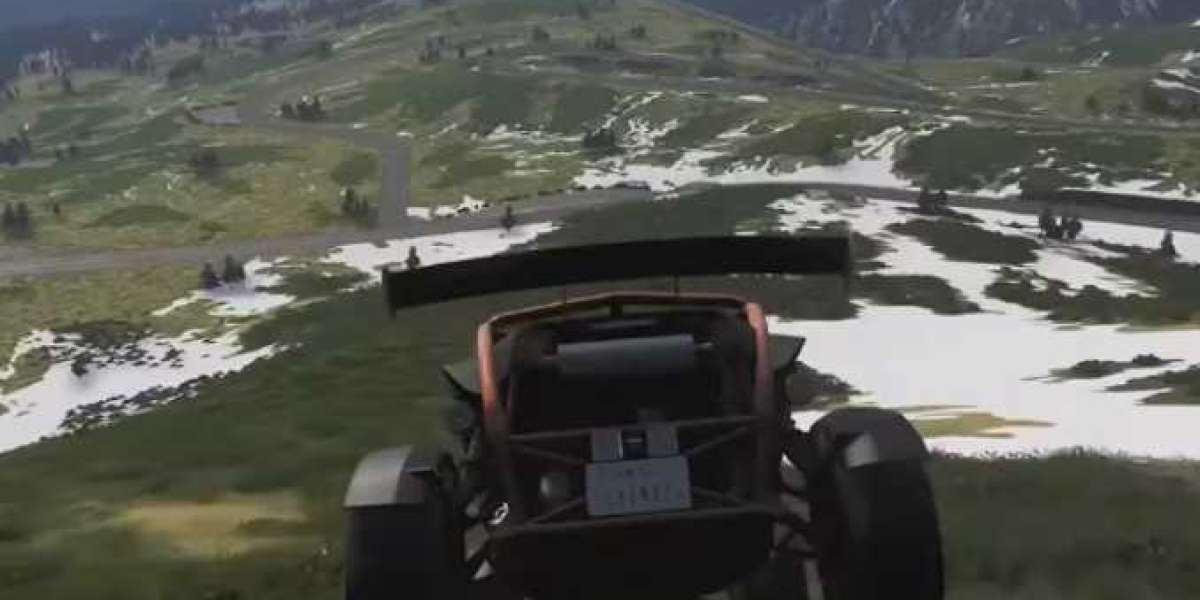
Winter is the most extreme gameplay shift. Snow covers major parts of the map, including Tokyo streets and mountain passes. Driving becomes significantly more difficult, and traction management becomes essential. This is where drivetrain choice and tire selection matter the most.
Spring brings recovery. Snow melts, roads clear up, and the countryside becomes covered in cherry blossoms. It is one of the most visually distinctive seasons and feels like a reset before the next cycle begins.
How Seasons Affect Driving and Physics
Seasons are not just cosmetic—they directly affect how cars behave on the road.
In Winter, AWD setups become almost essential for competitive driving. Snow tires and rally builds gain a major advantage, while standard street tires struggle with grip. Even braking distances increase noticeably, forcing players to adjust their racing lines.
In contrast, Summer and Spring offer optimal asphalt conditions. Rear-wheel drive cars become more viable, and high-speed tuning setups perform at their peak. This creates a natural shift in the meta depending on the time of year.
A more subtle but immersive addition is environmental physics tied to temperature. In colder seasons and high-altitude areas, vehicles produce visible condensation effects. Exhaust vapor becomes more pronounced, making cars feel like “living machines” reacting to the environment.
Cultural Events and Seasonal World Activity
The Japanese-inspired world design also changes based on seasonal timing. Different cultural festivals appear throughout the map, giving each season a distinct identity beyond racing.
In Summer, you may encounter kite festivals in rural areas. Autumn brings lantern events along riversides, creating a more reflective nighttime atmosphere. Spring often features traditional celebrations with decorative carp streamers moving across the sky.
These elements are not just background visuals—they reinforce the idea that the world is alive and culturally responsive.
Festival Playlist and Weekly Restrictions
Every Thursday reset also refreshes the Festival Playlist, which controls the game’s weekly challenges, event rotations, and reward structure.
Seasonal championships are often heavily restricted. Certain events may require specific car classes or drivetrain setups. For example, a winter event might push S1-class builds designed for snow performance, while spring cross-country races may limit players to off-road 4x4 vehicles.
Because each playlist only lasts one week, players need to complete objectives within the current season. Once the rotation changes, unfinished progress tied to that week’s events becomes locked or replaced.
This creates a constant sense of urgency and keeps the game from feeling static.
Can You Bypass the Seasonal System?
While the shared open world always follows the live seasonal rotation, players are not completely locked in when it comes to experimentation.
Through the EventLab tool inside the Creative Hub, you can create custom races and override environmental settings. This allows you to manually select the season, weather, and time of day.
By setting time progression to a fixed state, you can effectively “freeze” a custom environment. This is especially useful for testing car builds, creating content, or simply driving in a preferred climate without waiting for the weekly rotation.
However, this only applies to custom events. The main open world remains tied to the global schedule.
The seasonal system in Forza Horizon 6 is more than a visual upgrade—it is a structural foundation that influences driving physics, event design, and world atmosphere. By syncing all players to a global weekly cycle, the game creates a shared rhythm that encourages adaptation and replayability.
Whether you prefer the high-grip speed of summer roads or the controlled challenge of winter snow, each season feels like a different version of the same world.