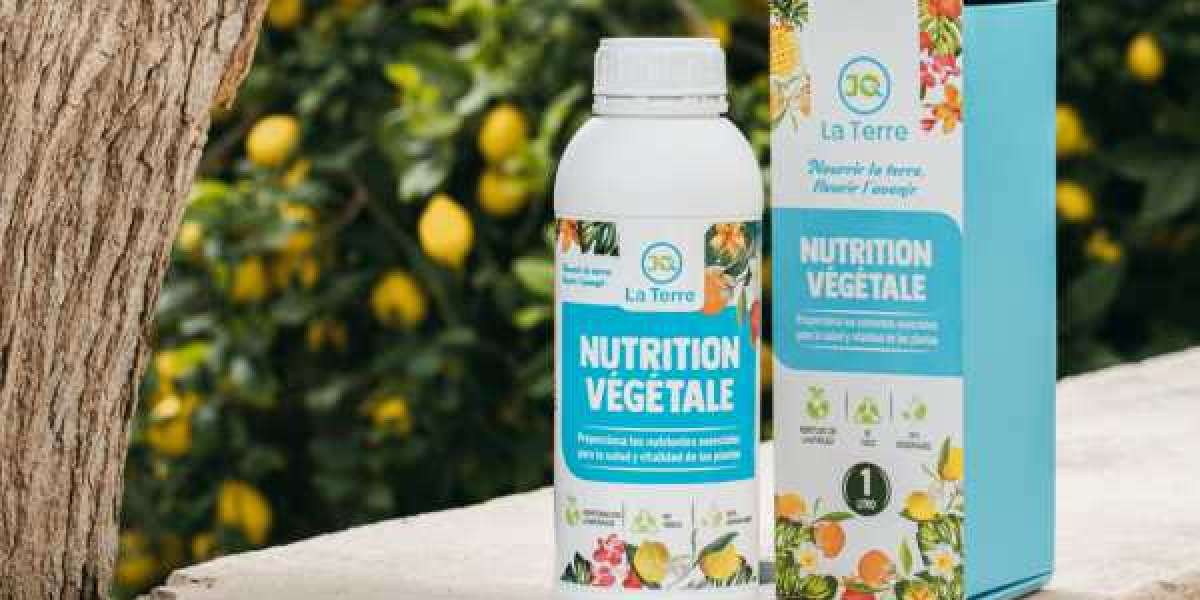

When farmers plan their crop season, one of the first decisions is whether to buy fertilizer products for farming that are organic or chemical. This choice affects crop growth, soil condition, and long-term farm productivity. Both options are widely used in agriculture, and both have strong points as well as limitations. The right decision often depends on crop type, soil condition, budget, and farming goals.
Fertilizers are important because they provide nutrients that crops need to grow. Without them, soil alone may not be enough to support healthy plant development, especially after repeated farming cycles. Understanding the difference between organic and chemical fertilizers helps farmers make better choices for stable and healthy yields.
Understanding Organic and Chemical Fertilizers in Farming
Organic fertilizers come from natural sources such as animal manure, compost, plant waste, and other biological materials. These fertilizers break down slowly in the soil and release nutrients over time. They also improve soil structure and increase microbial activity.
Chemical fertilizers are manufactured products that contain specific nutrients like nitrogen, phosphorus, and potassium in concentrated form. These nutrients are quickly available to plants after application, which leads to faster crop response.
Both types are used in modern farming, but they work in different ways. Organic fertilizers focus more on long-term soil health, while chemical fertilizers focus on quick nutrient supply and immediate plant growth.
How Organic Fertilizers Work in Soil
Organic fertilizers improve soil in more ways than just feeding plants. When applied, they add organic matter to the soil, which helps improve texture and water retention. This is especially useful in dry or poor-quality soils.
They also support beneficial organisms like bacteria and fungi. These microorganisms help break down nutrients and make them available to plants in a natural cycle. Over time, this creates healthier and more balanced soil.
One important thing about organic fertilizers is that they release nutrients slowly. This means crops receive steady nutrition over a longer period, but results are not immediate. Farmers who use organic methods often focus on long-term soil improvement rather than quick growth.
How Chemical Fertilizers Support Crop Growth
Chemical fertilizers are designed to provide nutrients in a form that plants can absorb quickly. When applied, crops can take up nutrients almost immediately, which supports fast growth.
This is useful during critical growth stages when plants need extra nutrition. For example, during flowering or fruit development, chemical fertilizers can help improve yield quickly.
Another advantage is accuracy. Farmers can measure exact nutrient amounts and apply them according to crop needs. This makes chemical fertilizers useful for large-scale farming where consistency is important.
However, chemical fertilizers do not improve soil structure. They mainly feed the plant, not the soil. This means long-term soil health depends on additional management practices.
Benefits of Organic Fertilizer Products for Farming
Organic fertilizers help improve soil quality over time. One major benefit is better soil structure, which allows roots to grow deeper and access more water and nutrients.
They also reduce the risk of chemical buildup in the soil. Since they come from natural sources, they break down in a balanced way without leaving harmful residues.
Another benefit is improved water retention. Soils rich in organic matter can hold moisture longer, which helps crops during dry conditions.
Farmers who use buy fertilizer products for farming organic fertilizers often notice gradual improvements in crop stability and soil fertility over multiple seasons.
Benefits of Chemical Fertilizer Products for Farming
Chemical fertilizers provide fast and visible results. Crops often respond quickly after application, especially when nutrient deficiencies are present.
They are also easy to use and apply. Farmers can quickly calculate how much fertilizer is needed based on crop type and field size.
Another benefit is high nutrient concentration. Small amounts of chemical fertilizer can deliver a large amount of nutrients, making transportation and storage easier.
For commercial farming where yield speed and volume matter, chemical fertilizers are often preferred.
Challenges of Using Organic Fertilizers
Organic fertilizers have some limitations. One common challenge is slow nutrient release. Crops may not get enough nutrients immediately during fast growth stages.
Another issue is variability. Since organic materials come from natural sources, nutrient levels may not always be consistent.
They also require larger quantities compared to chemical fertilizers, which can increase labor and transport effort.
In some cases, farmers may need soil testing and planning to ensure proper nutrient balance when using organic inputs.
Challenges of Chemical Fertilizers in Farming
Chemical fertilizers can also create problems if not used properly. Overuse may lead to nutrient imbalance in the soil and affect long-term soil health.
There is also a risk of nutrient runoff during heavy rain or irrigation. This can lead to environmental issues and wasted fertilizer.
Continuous use without organic matter addition may reduce soil fertility over time. Soil can become compact and less active biologically.
Another concern is fertilizer burn. If too much is applied, it can damage plant roots and reduce growth instead of improving it.
Comparing Cost and Long-Term Value
Organic fertilizers may seem costly because they are used in larger amounts. However, they improve soil over time, which can reduce the need for extra inputs in the future.
Chemical fertilizers are usually cheaper per unit of nutrient and give fast results. But repeated use without soil improvement practices may lead to higher long-term soil management costs.
Farmers often need to consider both short-term yield and long-term soil health when deciding which option is better.
When to Choose Organic Fertilizer Products for Farming
Organic fertilizers are a good choice when the goal is long-term soil improvement. They are also suitable for farmers who want to reduce chemical use and improve soil health gradually.
They work well in fields where soil quality is low or where long-term sustainability is important.
Organic farming systems also depend heavily on these fertilizers because they support natural soil processes.
When to Choose Chemical Fertilizer Products for Farming
Chemical fertilizers are often chosen when crops need quick nutrient supply. They are useful during critical growth stages or when nutrient deficiencies appear suddenly.
They are also suitable for large-scale farming where uniform results and fast growth are important.
In many cases, farmers use chemical fertilizers during peak growth periods to support yield targets.
Mixing Organic and Chemical Fertilizers
Many farmers now use a mixed approach. This means combining organic and chemical fertilizers in one farming system.
Organic fertilizers improve soil health and structure, while chemical fertilizers provide quick nutrients when needed. This balance helps maintain both productivity and soil quality.
This approach is becoming more common because it reduces the weaknesses of using only one type.
FAQs
What is the main difference between organic and chemical fertilizers?
Organic fertilizers come from natural sources and improve soil health over time, while chemical fertilizers provide quick nutrients for fast plant growth.
Which fertilizer is better for long-term farming?
Organic fertilizers are better for long-term soil health because they improve soil structure and biological activity.
Can I use both organic and chemical fertilizers together?
Yes, many farmers use both together to balance fast crop growth and long-term soil improvement.
Do chemical fertilizers damage soil?
If overused or misused, chemical fertilizers can affect soil health and reduce natural soil activity over time.
Which fertilizer gives faster results?
Chemical fertilizers usually give faster results because nutrients are immediately available to plants.
Conclusion
Choosing between organic and chemical fertilizers depends on farming goals, soil condition, and crop needs. When farmers buy fertilizer products for farming, they should think about both short-term crop performance and long-term soil health.
Organic fertilizers help build better soil over time, while chemical fertilizers support fast and strong crop growth. Many farmers now combine both methods to get balanced results. With proper planning and careful use, either option can support successful and productive farming.