
Introduction
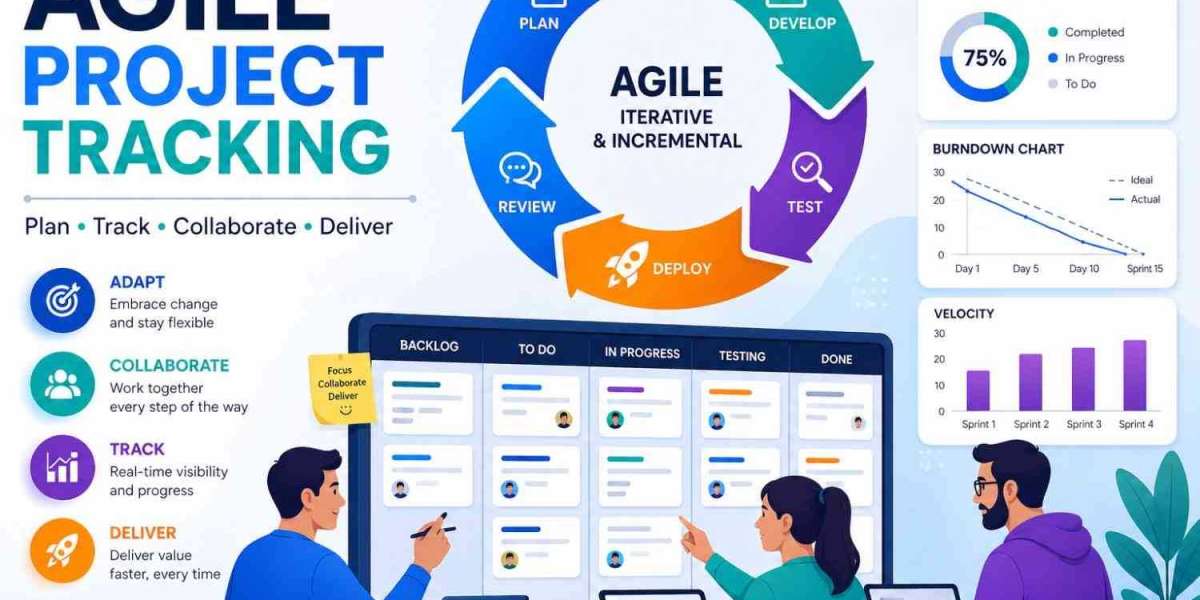
Agile project management is a flexible and iterative approach designed to enhance collaboration, adaptability, and efficiency in project delivery. One key aspect that drives agile success is project tracking, which ensures real-time visibility into progress, bottlenecks, and team performance. With real-time tracking, teams can adjust quickly to changes and deliver more frequently, accelerating the entire workflow.
In today’s fast-paced work environment, leveraging modern tools like Baseliner AI can drastically improve tracking accuracy, reduce time spent on manual updates, and offer actionable insights. By embracing such tools, organizations can take control of their agile processes, enabling teams to stay on top of their goals and make data-driven decisions at every stage of the project.
What is Agile Project Tracking?
Agile project tracking refers to the continuous monitoring of a project's progress in real-time, using tools and techniques that align with agile methodologies. In contrast to traditional project management, which typically uses linear, waterfall-like structures, agile project tracking emphasizes flexibility and quick iterations - often called sprints - to deliver value faster and more incrementally.
Tracking in an agile environment involves monitoring tasks, team performance, and project health during each sprint, making it easier to adjust priorities and scope as needed. This flexibility allows teams to stay aligned and deliver high-quality work, even in the face of change.
Key Benefits of Agile Project Tracking
Effective agile project tracking drives several key benefits for teams and organizations:
- Enhanced Collaboration: By tracking progress in real-time, team members can communicate more efficiently and stay aligned on project goals. It ensures that no one is left behind, reducing the risk of miscommunication.
- Faster Project Delivery: With clear visibility into tasks and progress, teams can address potential bottlenecks or obstacles early. This helps accelerate delivery and ensures each sprint results in tangible outcomes.
- Better Decision-Making: Agile tracking allows for more informed, data-driven decisions. Continuous insights into project progress help managers adjust resources or priorities for the best possible outcomes.
Real-time tracking also reinforces the principle of continuous improvement, where teams reflect on each sprint and make small, iterative changes that lead to better results over time.
Top Challenges in Agile Project Tracking
While agile project tracking offers significant benefits, it’s not without challenges. Here are some common roadblocks:
- Lack of Transparency: Without clear tracking, it's difficult for team members to see where they stand, which can lead to confusion or delays.
- Miscommunication: When progress isn’t tracked effectively, misunderstandings between team members or stakeholders can occur.
- Poor Data Visualization: Data can become overwhelming without proper tools to visualize the information, making it harder to spot trends or risks.
The key to overcoming these challenges is using the right tools that streamline the tracking process, allowing teams to visualize progress, communicate effectively, and maintain transparency across all stakeholders.
Best Practices for Agile Project Tracking
To ensure efficient agile tracking, consider the following best practices:
- Set Clear Goals and Milestones: Every sprint should have clear objectives that are easy to track. This provides direction and helps teams focus on what matters.
- Use Visual Tools like Kanban or Scrum Boards: These tools provide a visual representation of the work in progress, helping everyone stay on the same page.
- Track Regularly and Adjust After Each Sprint: Regular tracking allows teams to identify issues early and make necessary adjustments before they affect the next sprint.
Incorporating these best practices ensures smooth project tracking, promotes team accountability, and aligns everyone towards the ultimate goal of delivering value to the customer.
Tools for Agile Project Tracking
Several tools can enhance agile project tracking, but Baseliner AI stands out as one of the most powerful options available. This advanced platform offers real-time tracking, data analysis, and AI-driven insights to help teams make better decisions and improve project outcomes.
Some key features of Baseliner AI include:
- Real-Time Data Analysis: Baseliner AI aggregates data from multiple sources to provide up-to-the-minute insights.
- AI-Driven Forecasting: With advanced algorithms, it predicts potential risks and bottlenecks, allowing teams to take proactive measures.
- Integration with Popular Tools: Baseliner AI works seamlessly with tools like Jira and Trello, making it easy for teams to integrate it into their existing workflows.
By automating tracking tasks and providing actionable insights, Baseliner AI helps project managers and teams streamline their agile processes and focus on delivering high-quality results.
How Baseliner AI Simplifies Agile Project Tracking
Baseliner AI simplifies agile project tracking by automating many tedious tasks, such as data collection and progress updates. This leaves project managers with more time to focus on strategic decisions instead of manual tracking efforts.
By providing more accurate metrics and data, Baseliner AI helps teams identify potential risks early and adjust their approach before they become bigger issues. Teams can easily spot areas for improvement and adjust their workflow to ensure continuous progress and successful project completion.
Baseliner AI’s powerful tracking capabilities improve team collaboration and increase delivery speed, making it an invaluable asset for any agile project manager.
Conclusion
Agile project tracking is an essential part of successful project management in today's fast-paced, ever-changing business environment. By using the right tools; like Baseliner Ai - teams can increase visibility, streamline their workflows, and deliver projects faster.
Effective tracking not only ensures that teams remain focused on their goals but also provides data-driven insights that optimize the entire agile process. Don’t miss out on the opportunity to take your agile workflows to the next level - Try Baseliner Ai today and see how it can transform your project management efforts.
FAQs
Q1. What is the best tool for agile project tracking?
Some of the best tools for agile project tracking include Baseliner AI, Jira, Trello, and Asana. Baseliner AI stands out due to its real-time data analysis and AI-driven insights, which make it easier for teams to monitor progress and make informed decisions.
Q2. How does agile project tracking improve team collaboration?
Agile project tracking enhances collaboration by providing a transparent, real-time view of progress, allowing team members to communicate effectively and stay aligned. Tools like Baseliner AI help track tasks and outcomes in real-time, ensuring everyone is aware of updates and changes, leading to better collaboration.
Q3. How often should agile project tracking be done?
Agile project tracking should be done regularly, typically after each sprint or iteration. Real-time tracking ensures that teams can address issues promptly and make necessary adjustments before they impact future work.