
In industries where metal structures and equipment are constantly exposed to moisture, chemicals, and harsh environmental conditions, corrosion remains one of the biggest challenges. Corrosion can weaken structural integrity, increase maintenance costs, and shorten the lifespan of valuable assets. This is where a corrosion resistant coating plays a crucial role.
A corrosion resistant coating acts as a protective barrier between metal surfaces and external elements that cause deterioration. From industrial machinery and pipelines to marine vessels and construction materials, these coatings help preserve performance, appearance, and durability over time.
What Is a Corrosion Resistant Coating?
A corrosion resistant coating is a specialized protective layer applied to metal or other susceptible surfaces to prevent or slow down the corrosion process. These coatings are formulated using advanced materials such as epoxy, polyurethane, zinc-rich compounds, acrylics, and ceramic-based technologies.
The primary purpose of a corrosion resistant coating is to shield the substrate from environmental factors such as water, oxygen, salt, chemicals, and pollutants. By preventing direct contact with these corrosive agents, the coating significantly reduces the risk of rust and material degradation.
Why Corrosion Protection Matters
Corrosion affects industries worldwide and results in billions of dollars in repair and replacement costs annually. Beyond financial losses, corrosion can also compromise safety, operational efficiency, and regulatory compliance.
Some common consequences of untreated corrosion include:
- Structural weakening of metal components
- Increased maintenance and repair expenses
- Reduced equipment efficiency
- Unexpected operational downtime
- Safety hazards for workers and the public
- Shortened service life of assets
Implementing a high-quality corrosion resistant coating is a proactive strategy that minimizes these risks while maximizing long-term performance.
Types of Corrosion Resistant Coatings
Different applications require different coating technologies. Some of the most widely used corrosion resistant coatings include:
1. Epoxy Coatings
Epoxy coatings are known for their exceptional adhesion, chemical resistance, and durability. They are commonly used in industrial facilities, pipelines, storage tanks, and offshore structures.
2. Polyurethane Coatings
Polyurethane coatings offer excellent weather resistance and UV protection. They are often applied as topcoats over epoxy systems to provide enhanced durability and aesthetic appeal.
3. Zinc-Rich Coatings
These coatings contain a high percentage of zinc particles, which provide sacrificial protection to steel surfaces. Zinc-rich coatings are widely used in bridges, infrastructure projects, and heavy industrial environments.
4. Ceramic Coatings
Ceramic-based coatings provide outstanding resistance to heat, abrasion, and corrosion. They are particularly suitable for high-temperature industrial applications.
5. Acrylic Coatings
Acrylic coatings are valued for their ease of application and environmental resistance. They are commonly used in architectural and light industrial settings.
Benefits of Using Corrosion Resistant Coating
Extended Asset Lifespan
One of the most significant advantages of a corrosion resistant coating is its ability to prolong the life of equipment and structures. By preventing corrosion, businesses can avoid premature replacement costs.
Reduced Maintenance Costs
Protective coatings reduce the frequency of repairs and inspections, resulting in substantial savings over the lifespan of an asset.
Improved Safety
Corroded structures can become unstable and dangerous. Corrosion protection helps maintain structural integrity and creates safer working environments.
Enhanced Appearance
Many corrosion resistant coatings also improve the visual appeal of surfaces by preventing rust stains, discoloration, and surface damage.
Better Operational Efficiency
Equipment protected from corrosion operates more reliably and efficiently, minimizing downtime and productivity losses.
Industries That Rely on Corrosion Resistant Coatings
Corrosion resistant coatings are essential across numerous industries, including:
Marine Industry
Ships, offshore platforms, and port facilities face constant exposure to saltwater, making corrosion protection critical for operational reliability.
Oil and Gas
Pipelines, storage tanks, and drilling equipment operate in highly corrosive environments where protective coatings help prevent failures and leaks.
Construction and Infrastructure
Bridges, steel structures, and public infrastructure require durable coatings to withstand weather exposure and environmental pollutants.
Manufacturing
Industrial machinery and production equipment benefit from coatings that protect against moisture, chemicals, and wear.
Power Generation
Power plants rely on corrosion resistant coatings to protect turbines, boilers, and critical infrastructure from harsh operating conditions.
Factors to Consider When Choosing a Corrosion Resistant Coating
Selecting the right coating depends on several factors:
- Environmental exposure conditions
- Temperature requirements
- Chemical resistance needs
- Surface material and preparation
- Application method
- Maintenance expectations
- Regulatory and industry standards
A thorough assessment of operating conditions ensures the chosen coating delivers optimal performance and longevity.
Best Practices for Coating Application
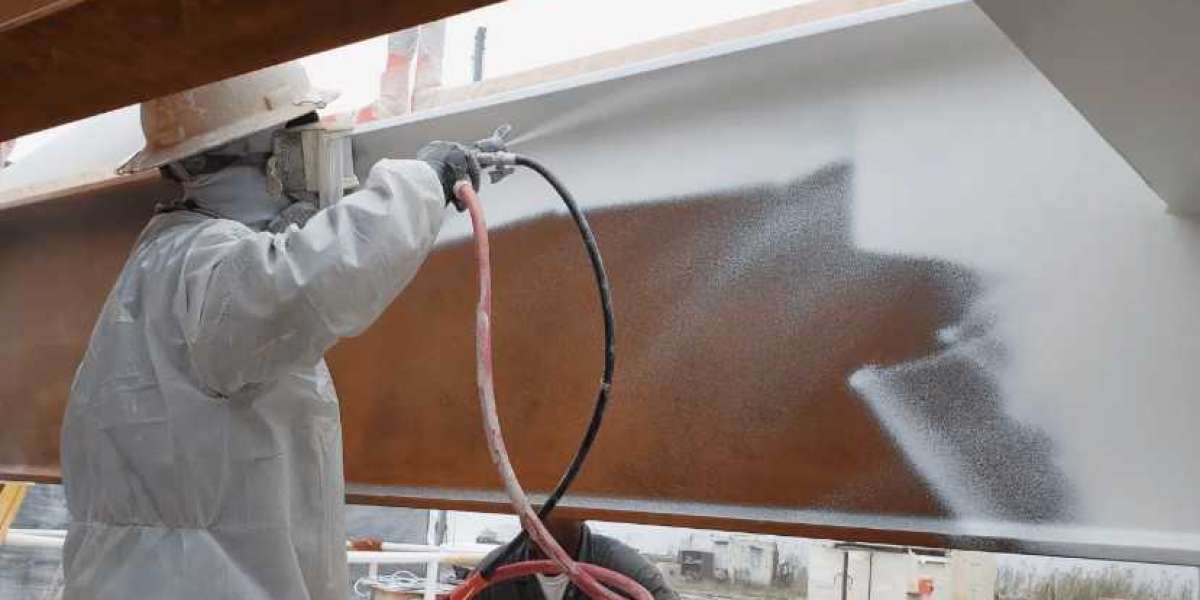
Even the most advanced corrosion resistant coating can fail if applied incorrectly. To maximize effectiveness, follow these best practices:
- Properly clean and prepare the surface.
- Remove rust, dirt, oil, and contaminants.
- Follow manufacturer-recommended application procedures.
- Apply the coating at the correct thickness.
- Allow adequate curing time.
- Conduct regular inspections and maintenance.
Professional application and quality control measures help achieve consistent and long-lasting protection.
FAQs
1. What is a corrosion resistant coating?
A corrosion resistant coating is a protective layer applied to surfaces, particularly metals, to prevent rust, oxidation, and other forms of corrosion caused by environmental exposure.
2. Where are corrosion resistant coatings commonly used?
They are commonly used in marine, oil and gas, construction, manufacturing, transportation, and power generation industries.
3. How long does a corrosion resistant coating last?
The lifespan depends on the coating type, environmental conditions, and maintenance practices. High-quality systems can last anywhere from several years to decades.
4. What is the best corrosion resistant coating for steel?
Zinc-rich epoxy coatings and multi-layer epoxy-polyurethane systems are among the most effective options for protecting steel structures.
5. Can corrosion resistant coatings reduce maintenance costs?
Yes. By preventing corrosion-related damage, these coatings reduce repair frequency, downtime, and replacement expenses.
6. Is surface preparation important before applying a coating?
Absolutely. Proper surface preparation is essential for ensuring strong adhesion and maximizing the coating's performance and durability.
Conclusion
A Copper finishing near You is one of the most effective solutions for protecting valuable assets against environmental damage and material degradation. Whether used in marine environments, industrial facilities, infrastructure projects, or manufacturing operations, these coatings provide a durable barrier that extends asset lifespan, reduces maintenance costs, and enhances safety.
Investing in the right corrosion protection system not only improves operational efficiency but also delivers significant long-term cost savings. By selecting an appropriate coating and ensuring proper application, organizations can safeguard their equipment and structures for years to come.