
Choosing the right school for your child is one of the most important decisions you will make as a parent. Early education plays a big role in shaping a child’s future learning habits, confidence, and social skills. With so many options available today, many families look for an educational environment that supports both academic growth and personal development.
A Montessori Kindergarten offers a unique learning approach that focuses on independence, creativity, and hands-on experiences. However, not every school follows the same standards or practices. This guide will help parents understand what to look for when choosing the best learning environment for their child.
Understanding the Montessori Approach
The Montessori method is based on the belief that children learn best when they are free to explore, discover, and work at their own pace. Instead of traditional teacher-led lessons, children are encouraged to participate in activities that match their interests and developmental stage.
In this learning environment, children use specially designed materials that help them understand concepts through experience. They learn practical life skills, communication, problem-solving, and critical thinking while building confidence and independence.
The goal is not only to teach academic subjects but also to help children become responsible, curious, and lifelong learners.
Why Early Education Matters
The first few years of a child’s life are extremely important. During this time, children develop language skills, emotional understanding, social abilities, and cognitive growth. A quality early education program provides a strong foundation that can support future success.
When children are given opportunities to explore and learn in a supportive environment, they develop a positive attitude toward education. They become more willing to try new things, solve problems independently, and work well with others.
This is why selecting the right school is such an important step for parents.
Look for Trained and Experienced Teachers
One of the most important factors to consider is the quality of the teaching staff. Teachers should have proper training and experience in child-centered education methods.
Experienced educators understand how children learn and know how to guide them without controlling every activity. They observe students carefully, provide support when needed, and encourage independent thinking.
When visiting a school, ask about teacher qualifications, training programs, and years of experience working with young children.
Observe the Classroom Environment
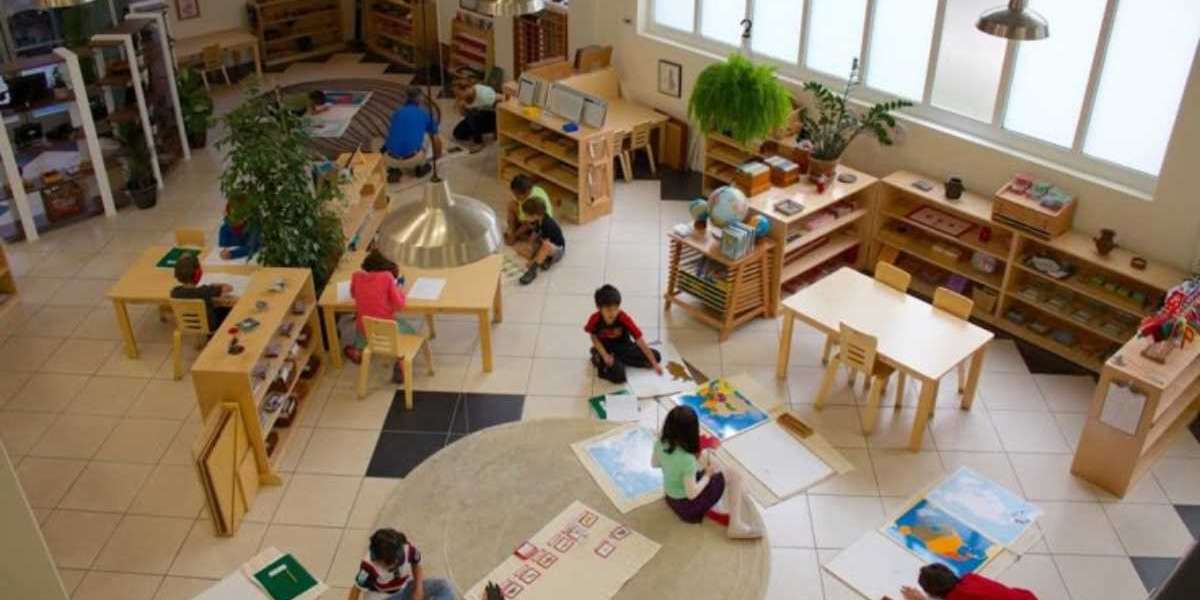
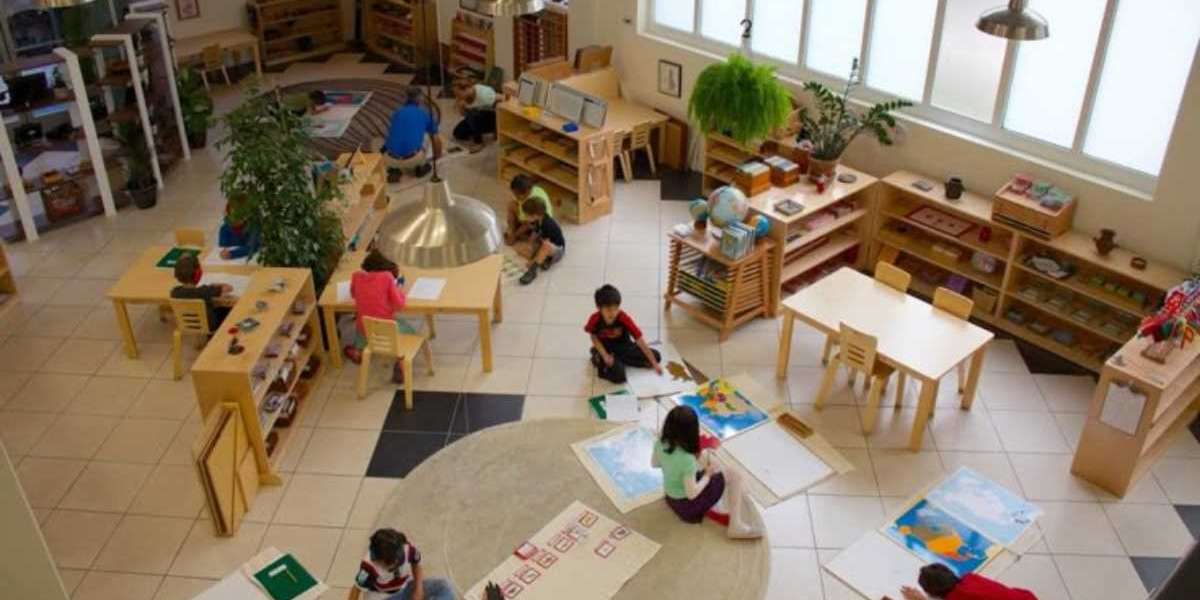
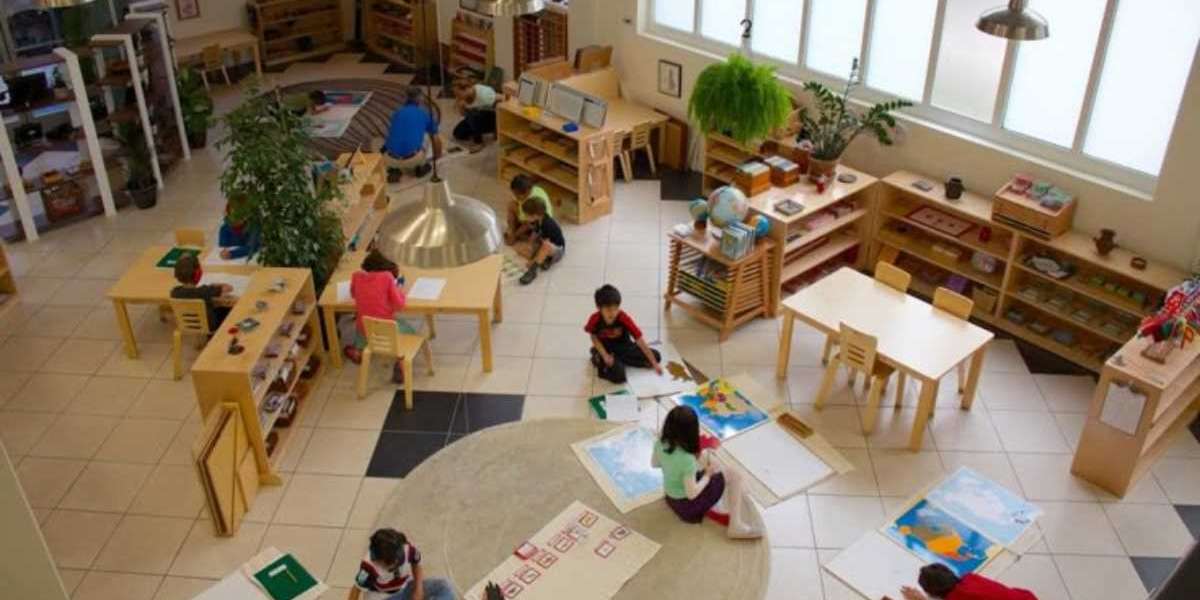
A classroom can reveal a lot about the quality of a school. A well-organized learning space should feel welcoming, calm, and engaging.
Look for classrooms that include:
- Clean and organized learning materials
- Child-sized furniture
- Easy access to educational tools
- Bright and safe spaces
- Areas for independent and group activities
Children should be able to move around comfortably and choose activities based on their interests. The environment should encourage exploration rather than strict control.
Focus on Child Independence
One of the key goals of a Montessori Kindergarten is helping children become independent. Schools should provide opportunities for students to make choices, solve problems, and take responsibility for their daily activities.
For example, children may:
- Choose their own learning activities
- Clean up after completing tasks
- Organize materials independently
- Participate in classroom responsibilities
These experiences help build confidence and prepare children for future challenges.
Check the Student-to-Teacher Ratio
Smaller class sizes often allow teachers to provide more individual attention. Young children benefit from guidance that meets their unique learning needs.
Ask about:
- Number of students per classroom
- Number of teachers or assistants
- Availability of one-on-one support
A balanced ratio helps ensure every child receives proper attention and encouragement.
Review the Learning Materials
Educational materials play an important role in early childhood learning. High-quality materials should be hands-on, engaging, and designed to help children learn through experience.
Look for activities that support:
- Language development
- Mathematics
- Science exploration
- Sensory learning
- Practical life skills
- Art and creativity
Children should have opportunities to use real objects and interactive materials rather than relying only on worksheets or memorization.
Consider Social and Emotional Development
Academic learning is important, but emotional growth is equally valuable. Children need to learn how to communicate, cooperate, and manage their emotions.
A good school helps children:
- Build friendships
- Develop empathy
- Practice respect
- Learn conflict resolution
- Gain self-confidence
These skills support success not only in school but throughout life.
Visit the School in Person
School websites and brochures can provide useful information, but nothing replaces an in-person visit.
During your visit, observe:
- Teacher interactions with children
- Student engagement levels
- Classroom organization
- Safety procedures
- Overall atmosphere
Pay attention to how children behave. Happy, confident, and engaged students are often a sign of a positive learning environment.
Ask About Parent Communication
Strong communication between parents and teachers is essential. Schools should keep families informed about student progress, classroom activities, and upcoming events.
Good communication may include:
- Parent-teacher meetings
- Progress reports
- Email updates
- School events
- Open classroom visits
Parents should feel comfortable asking questions and discussing concerns with educators.
Evaluate Safety and Cleanliness
Safety should always be a top priority when choosing a school.
Check for:
- Secure entrances and exits
- Clean classrooms
- Safe playground equipment
- Emergency procedures
- First-aid availability
Children learn best when they feel safe and comfortable in their environment.
Understand the Daily Schedule
A balanced schedule supports healthy development. Children need a mix of learning, movement, creativity, and rest.
Ask about daily activities such as:
- Independent work time
- Group activities
- Outdoor play
- Storytelling
- Creative projects
- Snack and meal times
A well-planned schedule keeps children engaged without overwhelming them.
Look for a Positive Learning Culture
Every school has its own culture and values. Choose a place where children are respected, encouraged, and supported.
Signs of a positive culture include:
- Respectful communication
- Encouragement rather than punishment
- Supportive relationships
- Celebration of individual growth
- Inclusive learning practices
Children thrive when they feel valued and understood.
Consider Long-Term Benefits
The skills developed during early childhood often have lasting effects. A quality Montessori Kindergarten helps children build important abilities that can support success throughout their educational journey.
These benefits may include:
- Strong problem-solving skills
- Better concentration
- Increased independence
- Improved confidence
- Love of learning
- Strong social abilities
When children enjoy learning from an early age, they are more likely to remain motivated as they grow.
Questions Parents Should Ask
Before making a final decision, consider asking these questions:
- What training do teachers receive?
- How are students assessed?
- What is the student-to-teacher ratio?
- How does the school handle behavior challenges?
- What safety measures are in place?
- How are parents involved in the learning process?
- What activities support social development?
- How are individual learning needs addressed?
The answers can help you determine whether the school is a good fit for your child.
Supporting Learning at Home
Parents play a major role in their child’s education. Learning should continue beyond the classroom.
You can support your child by:
- Reading together daily
- Encouraging curiosity
- Providing hands-on activities
- Allowing independence
- Creating consistent routines
- Celebrating achievements
When home and school work together, children often experience greater success.
Conclusion
Choosing the right Montessori Kindergarten requires careful research and thoughtful consideration. Every child is unique, and the best school is one that supports their individual strengths, interests, and learning style.
By focusing on teacher quality, classroom environment, safety, communication, and child development, parents can make a confident decision. Early education lays the foundation for future success, and selecting the right learning environment can help children develop the skills, confidence, and curiosity they need for a bright future.
Taking the time to visit schools, ask questions, and observe classrooms will help ensure that your child begins their educational journey in a place where they can learn, grow, and thrive.