
Buildings and infrastructure are designed to last for decades, but changing environmental conditions, increasing load requirements, aging materials, and poor maintenance can gradually reduce their structural performance. Cracks, corrosion, foundation settlement, and water damage are common issues that affect the safety and durability of concrete structures. Instead of demolishing and rebuilding, many property owners now choose structural strengthening services to restore the strength, stability, and service life of existing structures in a cost-effective manner.
Structural strengthening is a specialized engineering process that improves the load-carrying capacity and overall performance of buildings, bridges, industrial facilities, commercial complexes, and residential structures. Modern strengthening techniques help repair damaged structural members while minimizing disruption to daily operations. Whether the objective is to increase structural capacity, repair deterioration, or comply with updated building codes, the right strengthening method ensures long-term safety and reliability.
What Are Structural Strengthening Services?
Structural strengthening services involve engineering solutions that enhance the performance of weakened or damaged structural components. These services are commonly used when buildings experience deterioration due to aging, corrosion, excessive loading, design changes, seismic activity, fire damage, or poor construction practices. Instead of replacing an entire structure, strengthening techniques restore its capacity while extending its service life significantly.
The process begins with a detailed structural assessment where engineers inspect the building, identify damaged members, evaluate load requirements, and determine the most suitable strengthening technique. Depending on the condition of the structure, professionals may recommend column jacketing, concrete jacketing, steel jacketing, carbon fiber wrapping, beam strengthening, slab strengthening, or foundation reinforcement. Each solution is selected according to structural requirements and project objectives.
Why Do Buildings Need Structural Strengthening?
Buildings naturally experience wear and deterioration over time. Exposure to moisture, temperature changes, chemicals, and continuous loading gradually weakens structural components. Reinforced concrete structures are especially vulnerable to steel reinforcement corrosion, which reduces strength and causes concrete cracking or spalling. Without timely intervention, these issues may compromise structural safety and increase maintenance costs.
Modern buildings are also expected to support heavier loads than originally designed. Additional floors, new machinery, office renovations, equipment installation, or changes in building usage often require increased load-bearing capacity. Structural strengthening services provide an economical solution by upgrading existing members without complete reconstruction, making them ideal for commercial, industrial, and institutional buildings.
Common Signs That a Structure Needs Strengthening
Many structural problems develop gradually and become more severe if ignored. Early identification allows timely repairs that reduce overall project costs and prevent extensive damage. Property owners should monitor buildings for visible signs of deterioration and consult structural experts whenever unusual conditions appear.
Some common warning signs include wide structural cracks, exposed reinforcement, concrete spalling, excessive deflection in beams or slabs, corrosion stains, water leakage, foundation settlement, uneven floors, damaged columns, and reduced structural stability after earthquakes or accidental impacts. Regular structural inspections help identify these issues before they become major safety concerns.
Understanding Column Jacketing
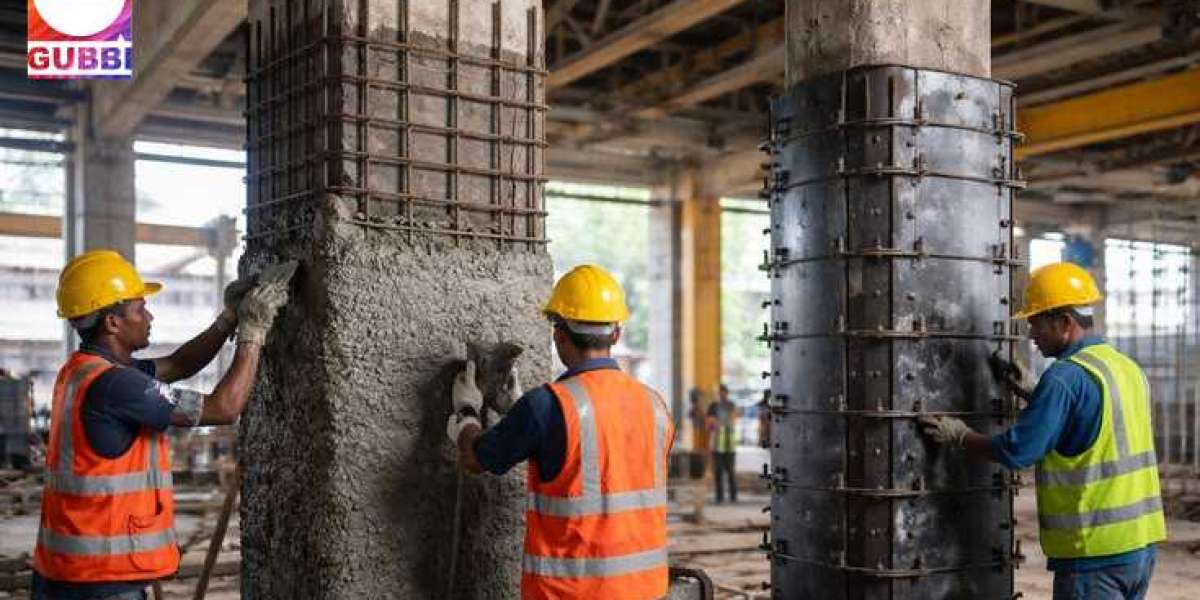
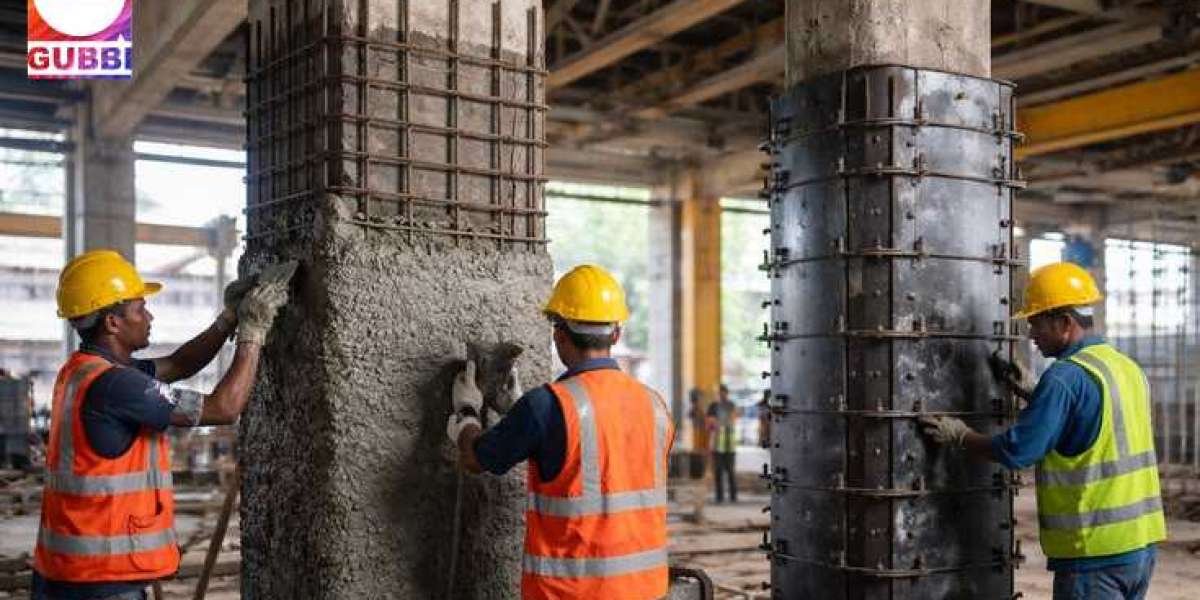
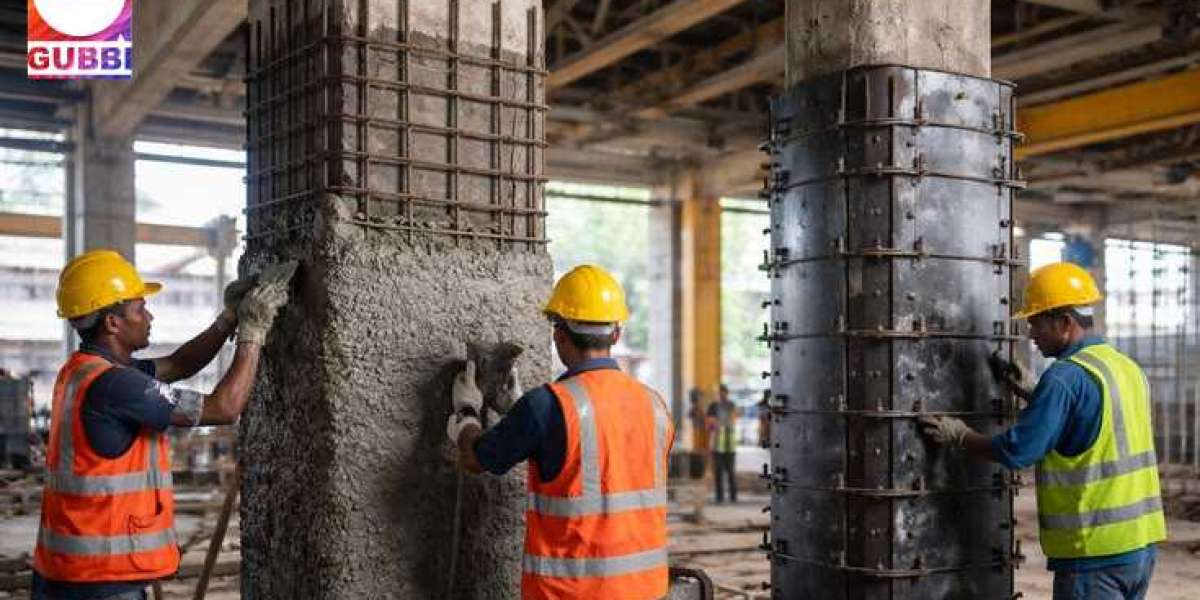
Column jacketing is one of the most widely used structural strengthening methods for improving the load-carrying capacity of reinforced concrete columns. It involves increasing the size of an existing column by adding additional reinforcement and a new protective layer around it. This process improves both axial load capacity and resistance to bending forces.
Column jacketing is recommended for buildings experiencing increased loading, structural deterioration, seismic retrofitting requirements, or construction defects. By enlarging the column section and improving confinement of the concrete core, engineers significantly enhance structural performance. The method also improves durability and extends the useful life of existing structures without replacing major components.
Benefits of Column Jacketing
One of the biggest advantages of column jacketing is its ability to restore structural capacity while minimizing demolition work. Instead of replacing damaged columns, engineers strengthen the existing members, reducing project costs and shortening construction schedules. This approach is particularly beneficial for occupied buildings where operational disruption must remain minimal.
Column jacketing also improves seismic performance by increasing ductility and energy absorption during earthquakes. The strengthened columns provide better resistance against compression, bending, and lateral forces. As a result, buildings become safer and more reliable while meeting updated structural design requirements for long-term performance.
What Is Concrete Jacketing?
Concrete jacketing is a strengthening technique that involves adding reinforced concrete around existing structural members such as columns, beams, or foundations. New reinforcement bars are connected to the existing member before placing high-quality concrete, creating a stronger composite section capable of carrying higher structural loads.
Concrete jacketing is commonly used in aging buildings where structural members have lost capacity due to corrosion, poor construction quality, or increased service requirements. The technique improves strength, stiffness, durability, and fire resistance while extending the service life of reinforced concrete structures. It remains one of the most reliable strengthening methods used worldwide.
Advantages of Concrete Jacketing
Concrete jacketing offers exceptional durability because the additional concrete layer protects existing reinforcement from environmental exposure. Improved structural dimensions increase compressive strength while reducing stress concentrations in damaged members. The technique is suitable for residential buildings, commercial complexes, industrial plants, bridges, parking structures, and public infrastructure.
Another important benefit is its compatibility with existing reinforced concrete construction. Since similar materials are used, the strengthened member behaves more uniformly under structural loads. Proper bonding between old and new concrete ensures effective load transfer and long-lasting structural performance with minimal maintenance requirements.
Understanding Steel Jacketing
Steel jacketing involves enclosing existing structural members with steel plates or steel sections to improve strength and confinement. The steel elements are securely connected around the member, providing immediate structural enhancement and increased resistance against heavy loading, impact, and seismic forces.
Steel jacketing is particularly useful when rapid strengthening is required or when construction space is limited. Industrial facilities, bridges, warehouses, and commercial buildings often use this technique because steel installation is relatively fast and produces high structural efficiency without significantly increasing member dimensions.
Benefits of Steel Jacketing
Steel jacketing significantly improves axial strength, shear capacity, and ductility of structural members. Since steel possesses high tensile strength, it effectively enhances the load-bearing performance of weakened columns and beams. The technique is especially valuable for structures subjected to dynamic loading, vibration, or earthquake forces.
Another advantage is shorter project duration. Prefabricated steel components can be manufactured before site installation, reducing downtime and allowing businesses to continue operations with minimal interruption. Protective coatings further improve corrosion resistance and ensure long-term durability under challenging environmental conditions.
How Engineers Choose the Right Strengthening Method
Selecting the appropriate strengthening technique requires a detailed structural evaluation. Engineers consider the building's age, structural condition, material properties, loading requirements, environmental exposure, and future usage before recommending a solution. Every structure presents unique challenges that require customized engineering rather than standard repair methods.
Factors such as construction budget, project timeline, accessibility, operational constraints, and design objectives also influence the final decision. Professional structural analysis ensures the selected strengthening system delivers maximum safety, durability, and long-term value while complying with relevant engineering standards and building regulations.
Industries That Require Structural Strengthening Services
Structural strengthening services are widely used across multiple industries where safety and operational continuity are critical. Manufacturing plants often strengthen structures to support heavier machinery and production equipment. Commercial buildings require strengthening during renovations, vertical expansions, or occupancy changes that increase structural loads.
Infrastructure projects including bridges, flyovers, parking structures, hospitals, educational institutions, warehouses, airports, marine structures, and power plants also rely on strengthening solutions to improve durability and extend service life. These projects benefit from engineered repair methods that minimize downtime while maximizing structural performance.When structural repairs require professional engineering expertise, working with experienced specialists ensures better project outcomes. Gubbi Civil Engineers Limited provides engineered structural strengthening solutions based on detailed structural assessments and proven repair methodologies. Choosing qualified professionals helps ensure every strengthening project is designed according to structural requirements, safety standards, and long-term durability objectives, resulting in reliable performance throughout the structure's remaining service life.