
A Pollution License is one of the most important environmental approvals required for industries, manufacturing units, commercial establishments, and infrastructure projects operating in India. The license is issued by the State Pollution Control Board (SPCB) or Pollution Control Committee (PCC) to ensure that businesses comply with environmental regulations and adopt adequate pollution control measures.
Obtaining a Pollution License is essential for businesses that generate emissions, discharge wastewater, produce waste, or have the potential to impact the environment. The approval helps maintain environmental sustainability while ensuring legal compliance with applicable pollution control laws.
What is a Pollution License?
A Pollution License is an environmental authorization granted by the Pollution Control Board to businesses that may affect air, water, or land quality through their operations. The license confirms that the organization has implemented appropriate pollution prevention and control measures in accordance with environmental regulations.
The objective of a Pollution License is to monitor industrial activities, reduce environmental pollution, and promote responsible business practices.
Businesses operating without the required environmental approvals may face penalties, legal action, or closure notices from regulatory authorities.
Why is a Pollution License Important?
Environmental compliance has become a crucial aspect of running a business in India. A Pollution License offers several benefits:
- Legal authorization to establish and operate business activities
- Compliance with environmental regulations
- Reduced risk of penalties and legal complications
- Enhanced business reputation
- Better environmental management
- Increased stakeholder confidence
- Support for sustainable industrial growth
Obtaining the required environmental approvals demonstrates a company's commitment to environmental responsibility and regulatory compliance.
Who Needs a Pollution License?
Several industries and businesses may require a Pollution License, including:
Manufacturing Industries
Factories involved in production, processing, fabrication, or assembly operations.
Pharmaceutical Companies
Drug manufacturing units and healthcare product manufacturers.
Food Processing Industries
Food manufacturing, packaging, and processing facilities.
Chemical Industries
Businesses dealing with chemicals, solvents, and hazardous materials.
Hospitals and Healthcare Facilities
Medical establishments generating biomedical waste.
Infrastructure and Construction Projects
Commercial developments, industrial parks, and large-scale infrastructure projects.
The exact requirement depends on the nature of operations and pollution potential.
Types of Pollution Licenses
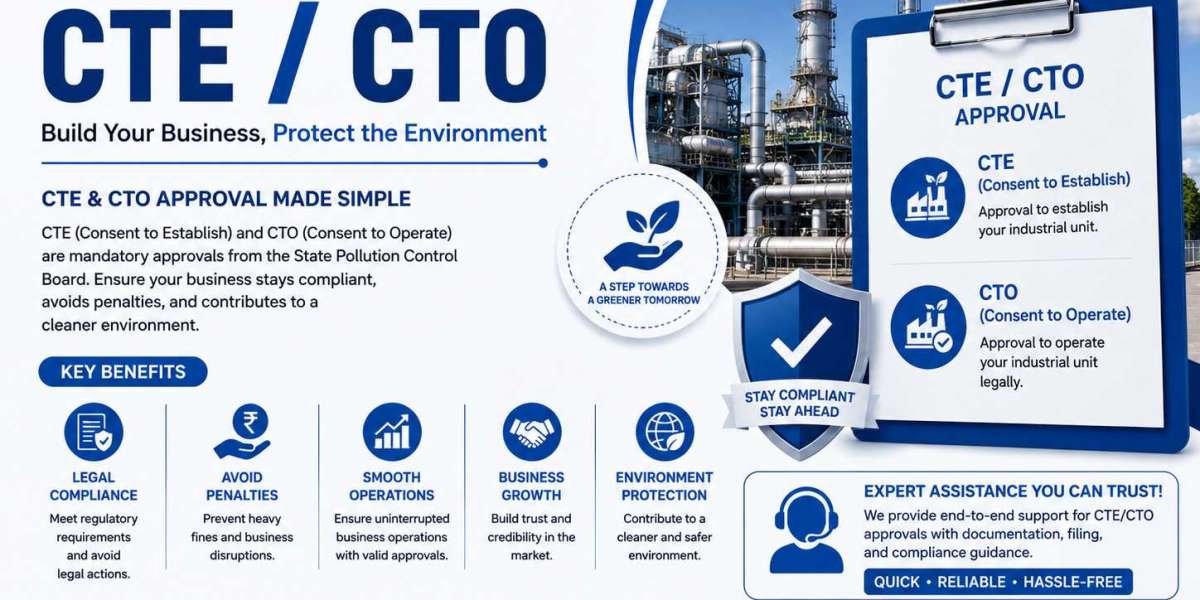
Consent to Establish (CTE)
Consent to Establish (CTE) is required before setting up an industrial unit, manufacturing facility, commercial establishment, or infrastructure project. The approval is issued after evaluating the proposed project, manufacturing process, environmental impact, and planned pollution control measures.
Obtaining Consent to Establish (CTE) allows businesses to proceed with construction, installation of machinery, and project development activities while ensuring compliance with environmental regulations.
Consent to Operate (CTO)
After completing project setup and installing pollution control systems, businesses must obtain Consent to Operate (CTO) before commencing commercial production or operational activities.
Consent to Operate (CTO) confirms that the pollution control measures approved during the CTE stage have been properly implemented and are functioning effectively. It verifies compliance with prescribed standards related to emissions, wastewater management, waste disposal, and environmental protection.
Waste Management Authorizations
Depending on business activities, additional approvals may be required under:
- Plastic Waste Management Rules
- E-Waste Management Rules
- Biomedical Waste Management Rules
- Hazardous Waste Management Rules
- Battery Waste Management Rules
Documents Required for Pollution License
The following documents are generally required:
- PAN Card of the company
- GST Registration Certificate
- Certificate of Incorporation
- Aadhaar Card of authorized signatory
- Project report
- Site layout plan
- Land ownership or lease documents
- Manufacturing process details
- Water consumption and wastewater details
- Air emission information
- Pollution control equipment details
- Environmental management plan
- Electricity connection documents
Additional documentation may be required depending on the industry category and state-specific regulations.
Pollution License Registration Process
Step 1: Industry Categorization
The business is categorized into Red, Orange, Green, or White categories based on pollution potential.
Step 2: Document Preparation
All technical, environmental, and legal documents are prepared for submission.
Step 3: Online Application Filing
The application is submitted through the State Pollution Control Board portal.
Step 4: Technical Evaluation
Authorities review the project details, environmental impact, and pollution control arrangements.
Step 5: Site Inspection
Inspection may be conducted depending on the project category and applicable regulations.
Step 6: Approval and Issuance
After successful verification, the Pollution License or consent approval is granted.
Compliance Requirements After Approval
Businesses holding a Pollution License must continue to comply with environmental obligations, including:
- Maintaining pollution control systems
- Monitoring emissions and wastewater discharge
- Maintaining environmental records
- Filing periodic compliance reports
- Renewing approvals before expiry
- Following applicable waste management regulations
Continuous compliance helps avoid penalties and operational disruptions.
How Agile Regulatory Can Help
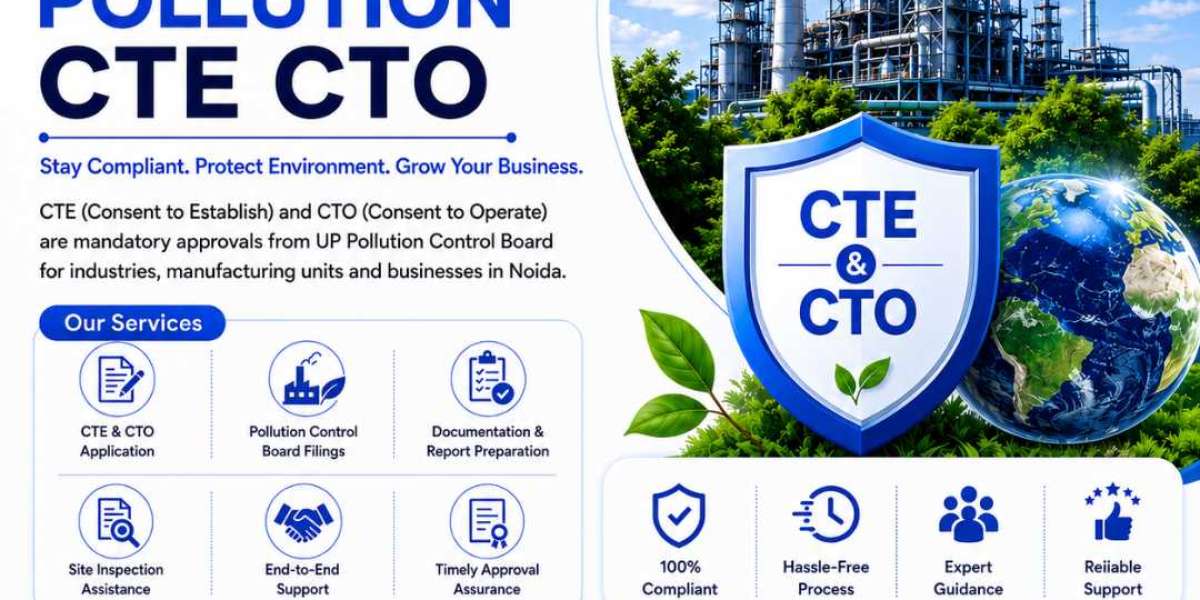
Agile Regulatory provides comprehensive assistance for Pollution License registration across India. Our environmental compliance experts assist businesses with document preparation, application filing, Pollution Control Board coordination, and ongoing compliance management.
Whether you require Consent to Establish (CTE), Consent to Operate (CTO), or waste management authorizations, Agile Regulatory offers end-to-end support to help businesses obtain approvals efficiently and maintain full regulatory compliance.
Conclusion
A Pollution License is a critical environmental approval for industries and commercial establishments operating in India. It ensures that businesses implement proper pollution control measures and comply with environmental regulations.
By obtaining the required approvals and maintaining ongoing compliance, organizations can operate legally while contributing to environmental sustainability. With expert guidance from Agile Regulatory, businesses can navigate the approval process smoothly and focus on long-term growth.
Frequently Asked Questions (FAQs)
1. What is a Pollution License?
A Pollution License is an environmental approval issued by the Pollution Control Board to regulate industrial and commercial activities that may impact the environment.
2. Who needs a Pollution License?
Manufacturing units, pharmaceutical companies, food processors, chemical industries, hospitals, and various commercial projects may require a Pollution License.
3. What is Consent to Establish (CTE)?
Consent to Establish (CTE) is a pre-establishment approval required before setting up an industrial or commercial project.
4. What is Consent to Operate (CTO)?
Consent to Operate (CTO) is required before starting commercial operations after installation of pollution control measures.
5. Which authority issues a Pollution License?
The State Pollution Control Board (SPCB) or Pollution Control Committee (PCC) generally issues the approval.
6. What documents are required for a Pollution License?
Common documents include PAN, GST registration, project report, site layout, land documents, and pollution control plans.
7. What happens if a business operates without a Pollution License?
Non-compliance may result in penalties, closure notices, legal action, and suspension of operations.
8. Why choose Agile Regulatory for Pollution License registration?
Agile Regulatory provides expert consultation, documentation support, application filing assistance, compliance management, and end-to-end environmental regulatory services.