How Incorrect Fabric Stretch Causes Fit Problems in Everyday Clothing Projects
Introduction
Many sewing projects fail not because of poor construction but because the fabric behaves differently than expected. One of the most common reasons for disappointing results is incorrect fabric stretch. Even when a pattern is followed carefully, using a fabric with unsuitable stretch properties can lead to garments that feel uncomfortable or fit poorly.
Understanding how stretch works helps sewists select appropriate materials and avoid common fitting issues. Whether creating casual tops, dresses, leggings, or other knit garments, fabric stretch plays a major role in the final result.
Quick Summary
Incorrect fabric stretch can cause garments to become too loose, too tight, or lose their intended shape. Understanding stretch percentage, recovery, and pattern requirements helps improve garment fit and reduces sewing mistakes.
Why Fabric Stretch Matters in Garment Construction
Fabric stretch determines how much a material can extend when worn. Knit fabrics are designed to move with the body, making them suitable for many clothing projects.
The relationship between stretch behavior and garment fit is direct. Patterns are developed based on specific stretch expectations. When those expectations are not met, fit problems often occur.
A garment made with incorrect fabric stretch may look different from the pattern sample even when all measurements are accurate.
Understanding Knit Fabric Stretch
What Fabric Stretch Means
Fabric stretch refers to the amount a material can extend beyond its original measurement. Different knit fabrics offer varying levels of flexibility.
Some fabrics stretch only slightly, while others can extend significantly without damage.
Types of Stretch in Knit Fabrics
Common stretch directions include:
- Two-way stretch
- Four-way stretch
- Horizontal stretch
- Vertical stretch
Each type affects garment performance differently.
The Role of Fabric Recovery
Recovery refers to a fabric's ability to return to its original shape after stretching.
Good recovery helps garments maintain their appearance after repeated wear. Poor recovery often results in sagging and permanent distortion.
Common Fit Problems Caused by Incorrect Stretch
Loose and Baggy Garments
One common problem occurs when a pattern designed for low-stretch fabric is paired with highly elastic material.
The garment may become oversized and lose structure. This is one example of how incorrect fabric stretch affects the intended fit.
Overly Tight Fit Issues
The opposite issue occurs when fabric does not stretch enough for the pattern requirements.
Garments can feel restrictive and uncomfortable. Movement may become difficult, especially around the shoulders, hips, and chest.
Distorted Necklines and Armholes
Necklines and armholes rely heavily on proper stretch behavior.
When stretch characteristics differ from pattern expectations, openings may gape, roll, or become misshapen.
Waistband and Hem Shape Loss
Waistbands and hems require a balance between stretch and recovery.
Fabrics with poor recovery may lose their shape over time, causing garments to appear worn out quickly.
Pattern and Fabric Mismatch
Stretch Requirements in Sewing Patterns
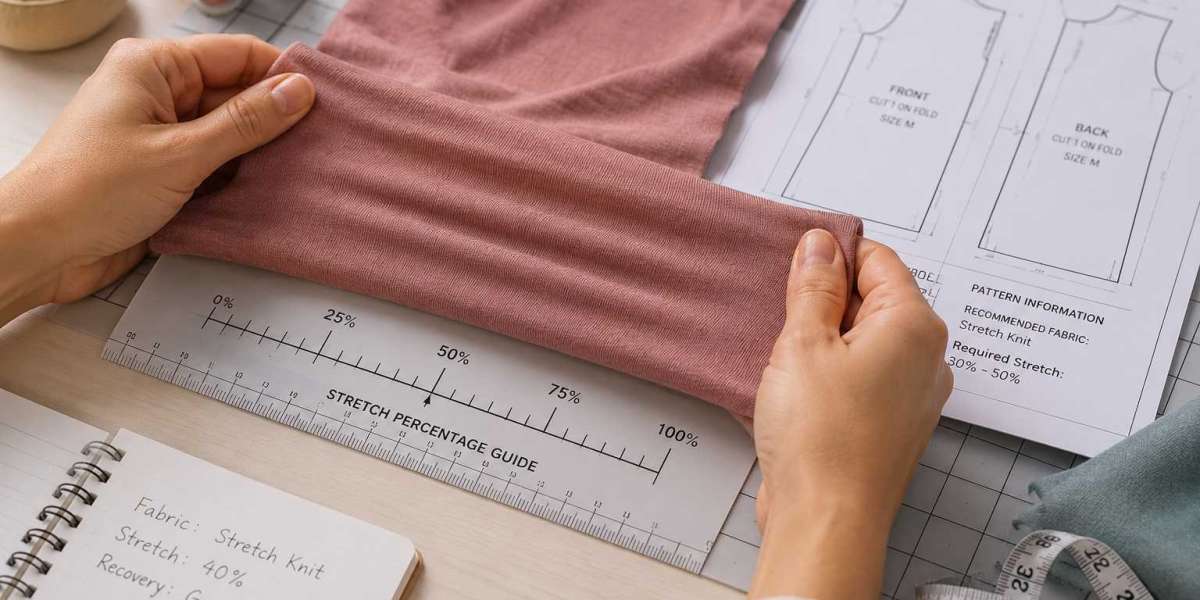
Most knit sewing patterns specify a required stretch percentage.
These guidelines help ensure the finished garment fits as intended.
Ignoring these requirements increases the likelihood of fit issues.
Choosing the Right Knit Apparel Fabric
Selecting appropriate knit apparel fabric involves more than choosing a color or texture.
Consider:
- Stretch percentage
- Recovery performance
- Fabric weight
- Intended garment style
The third example of incorrect fabric stretch often occurs when sewists focus on appearance rather than performance characteristics.
Effects of Ignoring Stretch Guidelines
When stretch recommendations are ignored, several problems can develop:
- Poor fit
- Reduced comfort
- Distorted shape
- Excess fabric tension
- Limited mobility
These issues can affect both appearance and functionality.
How to Evaluate Fabric Stretch Before Sewing
Measuring Stretch Percentage
A simple method involves measuring a four-inch section of fabric and stretching it comfortably.
Compare the extended measurement to the original length to calculate stretch percentage.
This process helps determine whether the fabric matches pattern requirements.
Testing Fabric Recovery
After stretching the fabric, release it and observe whether it returns to its original shape.
Good recovery indicates better long-term garment performance.
Comparing Fabric to Pattern Requirements
Before cutting fabric, compare its stretch characteristics with the pattern specifications.
This step helps avoid problems caused by incorrect fabric stretch before construction begins.
Preventing Garment Fitting Problems
Selecting Suitable Knit Fabrics
Always review pattern recommendations before purchasing fabric.
Matching fabric properties to pattern requirements improves fit accuracy.
Making Test Garments
Creating a test garment allows sewists to evaluate fit before using final fabric.
This approach can reveal potential issues early.
Adjusting Patterns for Fabric Stretch
When necessary, patterns can be modified to accommodate different stretch levels.
Small adjustments may improve comfort and appearance while maintaining the intended design.
The fifth occurrence of incorrect fabric stretch highlights the importance of evaluating fabric characteristics before beginning a project.
Conclusion
Fabric selection is one of the most important decisions in garment construction. Stretch percentage, recovery, and compatibility with pattern requirements all influence the final fit.
By understanding how incorrect fabric stretch affects clothing projects, sewists can make better material choices and reduce common fitting problems. Careful evaluation before cutting fabric helps create garments that fit comfortably, maintain their shape, and perform as intended. The sixth and final reminder about incorrect fabric stretch reinforces that fabric behavior should always be considered before starting a sewing project.
FAQs
How does fabric stretch affect garment fit?
Fabric stretch influences how a garment moves, fits, and feels when worn. Different stretch levels produce different fitting results.
What happens when fabric stretch does not match a pattern?
The garment may become too loose, too tight, or lose its intended shape.
How do I measure stretch percentage in knit fabrics?
Measure a section of fabric, stretch it comfortably, and compare the extended measurement with the original length.
Why is fabric recovery important for clothing fit?
Recovery helps fabric return to its original shape after stretching, maintaining garment appearance over time.
Can incorrect fabric stretch cause necklines to lose shape?
Yes. Excessive stretch or poor recovery can cause necklines to gape, roll, or become distorted.
What knit fabric works best for fitted garments?
Knit fabrics with suitable stretch percentages and strong recovery generally perform best for fitted clothing.
For additional fabric and sewing resources, visit Maaidesign.







