
The Moment Streetwear Stopped Being a Subculture
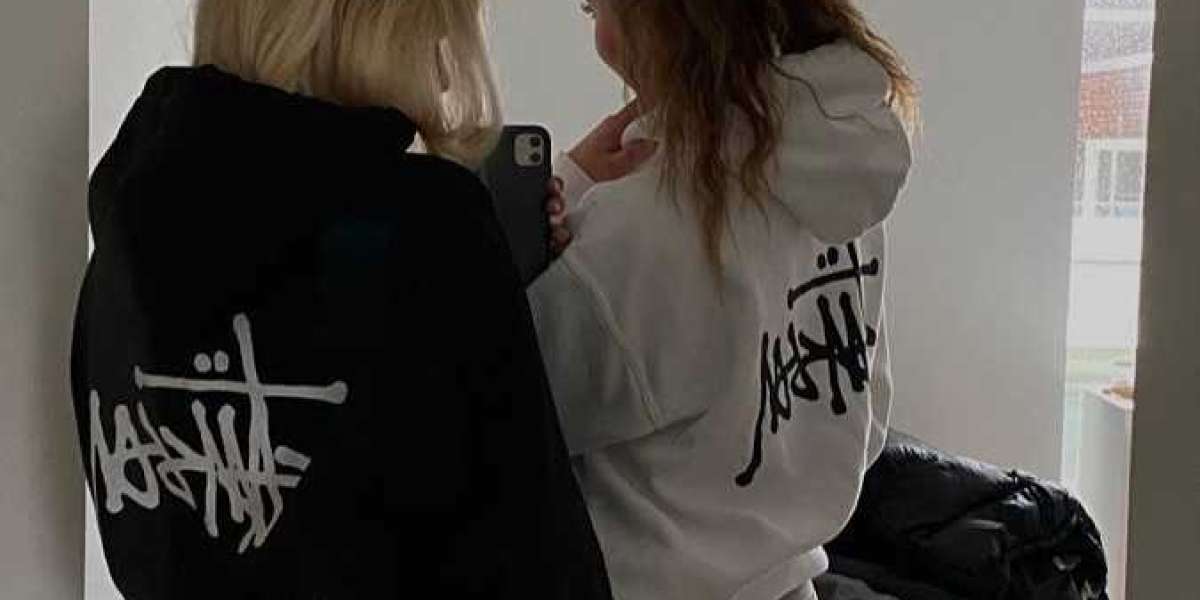
There was a very clear turning point when streetwear stopped being something teenagers wore and started showing up on the same editorial pages as tailored suits and couture gowns. That shift didn't happen overnight, and it wasn't driven by a single brand or moment it built up across two decades through music, sport, social media, and a generation of buyers who simply refused to separate what they wore from who they were. In the UK, the roots run through grime culture in East London, through the tracksuit-as-uniform era of British youth in the early 2000s, and through the independent label scene that grew up around music venues and market stalls rather than department stores. In the USA, the parallel story runs through hip-hop's relationship with branded clothing, through Supreme's early New York drops that had people queuing for hours, and through the skate culture of California that treated the graphic tee as a canvas for identity rather than just clothing. By the time luxury fashion houses started hiring streetwear designers and releasing collaboration drops, the conversation had already moved on buyers in both countries weren't waiting for high fashion's permission to take streetwear seriously. They were already spending real money on pieces built around quality construction and visual personality rather than legacy brand names, and that shift fundamentally changed what premium casual fashion means in both markets today.
Why UK Buyers Respond Differently to Streetwear Than US Buyers
The UK and USA streetwear markets share significant overlap in what they value quality construction, bold graphics, limited availability but the way buyers in each country approach their purchases differs in some genuinely interesting ways. UK buyers tend to favour a more restrained aesthetic within streetwear, gravitating toward tonal colourways, cleaner graphic placement, and silhouettes that read sharp rather than loud. There's a cultural lean toward pieces that work across more settings a hoodie that fits a Friday evening in a pub just as naturally as it fits a Saturday afternoon in a car park. The US market, particularly in cities like New York and Los Angeles, has historically been more comfortable with maximum visual impact oversized prints, bold colour blocking, and pieces that announce themselves from across the room. That said, both markets have moved closer together over the last five years, partly because social media flattened the geographic distance between subcultures. A Brixton teenager and a Compton teenager are watching the same content, wearing the same brands, and drawing from the same references in real time. The practical difference that remains is in price sensitivity UK buyers at the premium end tend to want more demonstrated quality for their spend, while US buyers in the same bracket are often more willing to pay for cultural cache alone. Understanding that difference matters if you're thinking about which brands actually deliver value rather than just visibility.
Six Reasons Premium Streetwear Has Replaced Fast Fashion for Serious Buyers
The shift away from fast fashion toward premium streetwear isn't a trend it's a buying decision that follows a consistent set of reasons, and once you understand the logic, it becomes hard to go back.
- Fabric weight and construction quality are visible after six months of wear in a way that no product photo ever shows heavyweight cotton at 280gsm or above holds its structure, while cheaper blends lose their shape by the fourth wash.
- Graphics printed using discharge techniques sit flush inside the fabric rather than sitting on top of it, which means they don't crack at the edges the way plastisol or heat-transfer prints do after repeated washing.
- Fit consistency across a full size run matters enormously premium brands test their fits on multiple body types, while fast fashion brands scale a single fit block up and down, creating inconsistency that shows up clearly when you hold two sizes of the same garment side by side.
- Resale value is measurable and real a well-maintained premium graphic tee or rhinestone hoodie holds a significant percentage of its original price in the secondhand market, while fast fashion pieces are essentially worthless secondhand.
- The cultural investment changes how you care for the piece paying real money for something genuinely good makes you read the care label, wash it properly, and store it correctly, which extends the garment's life significantly beyond what you'd get from treating it as disposable.
- Premium streetwear brands tend to release fewer pieces per season, which means each design is considered rather than rushed, and you end up with items that age well visually rather than pieces that look dated six months after purchase.
What the Amiri Playera Tells You About the LA-to-London Pipeline
Los Angeles has functioned as a cultural export machine for global streetwear for at least fifteen years, and the Amiri playera is one of the cleaner examples of how LA aesthetic sensibility travels. Mike Amiri built the brand around a very specific intersection the distressed rock aesthetic of the Sunset Strip combined with the luxury construction standards of Italian manufacturing and the result reads differently than most American streetwear brands because it doesn't look like it's trying to be luxury fashion from New York or Paris. It looks like it came from a specific place and time, and that geographic and cultural specificity is exactly why it landed in London, Manchester, and other UK cities where buyers respond to authenticity of origin rather than manufactured heritage. The Amiri playera carries that visual DNA clearly the graphic placement, the fabric weight, the cut and buyers who understand the reference get something more from the piece than just a well-made tee. This pipeline from LA to London has accelerated in the social media era, with UK buyers discovering and adopting US brands faster than ever, and US brands explicitly designing for a global audience rather than treating international markets as secondary. The honest limitation here is that cultural resonance doesn't substitute for construction quality a piece needs to deliver on both fronts, because buyers in 2026 are sophisticated enough to call out a brand that sells heritage without substance.
The Specific Pieces UK and USA Buyers Are Actually Reaching For
When you look at what's moving in premium streetwear across both markets rather than what's getting editorial coverage, some clear patterns emerge in the specific pieces buyers actually prioritise.
- Graphic tees remain the entry point for most buyers they're the lowest-risk premium purchase and the easiest piece to integrate into an existing wardrobe without overhauling everything else
- Heavyweight hoodies are the strongest repeat purchase category in both markets, with rhinestone detailing and acid wash finishes showing particularly strong demand in the UK where layering is a practical necessity rather than just a styling choice
- Monogram denim has grown significantly in both markets as buyers look for bottoms that add visual interest without competing with a statement top the repeated logo pattern reads as considered detail rather than aggressive branding
- Nylon jackets and outerwear perform well in the UK specifically because the weather demands a functional outer layer, and buyers don't want to sacrifice aesthetic for utility pieces that deliver both are consistently strong sellers
- Cargo shorts and relaxed-fit bottoms lead in the US summer market particularly in southern states and California where warm weather extends the shorts season significantly beyond what UK buyers experience
How Sizing Differences Between the UK and USA Affect Buying Decisions
One of the most practical friction points for buyers shopping across both markets is sizing, and it's a detail that causes genuine frustration when it's not addressed upfront. US sizing runs consistently larger than UK sizing at the medium and large levels a US medium in many streetwear brands sits closer to a UK large in actual chest and body measurements. The complication is that streetwear as a category deliberately builds in extra room compared to mainstream fashion, so oversized pieces in US sizing can run significantly larger than a UK buyer expects. Amiri specifically tends to follow European sizing conventions because of the Italian manufacturing connection, which means it runs smaller than typical US streetwear brands many buyers who usually wear a US large find they need an extra large in Amiri pieces. The practical advice for anyone shopping internationally is to always check the actual chest and length measurements provided on the product page rather than relying on size labels, because the labels are inconsistent across brands and regions in a way that the physical measurements are not. mixedemotionshops.com/ provides specific measurements on each product page, which is worth taking five minutes to check before ordering, especially if you're buying from outside the US for the first time.
Building a UK or USA Streetwear Wardrobe That Actually Makes Sense
The smartest approach to building a streetwear wardrobe in either market isn't to buy as many pieces as possible it's to choose a small number of genuinely well-made items that work together without needing a complete outfit overhaul every time your plans change. Start with one statement tee and one hoodie in complementary colours, then build your bottoms around those two pieces rather than the other way around. In the UK, the layering consideration is non-negotiable you need outerwear that works over your statement pieces, which means investing in a nylon jacket or a heavyweight zip-up that complements rather than covers your tee. In the US, particularly in warmer climates, the investment logic shifts toward shorts and lighter bottoms because the hoodie season is genuinely shorter. Both markets benefit from the same core principle: buy fewer pieces at a higher quality level and wear them more often, rather than buying a large volume of cheaper pieces that cycle out of your wardrobe within a season. The brands that deserve your money in this space are the ones that show the construction difference after six months of real wear the stitching holds, the graphics survive washing, and the fit maintains its shape rather than collapsing into something that no longer looks intentional.
Where Streetwear Is Heading in Both Markets Over the Next Few Years
The direction streetwear is heading in the UK and USA points toward a few clear shifts that are already visible in what buyers are choosing right now. First, the distinction between luxury fashion and premium streetwear is continuing to blur, but not in the direction of streetwear becoming more formal rather, luxury brands are abandoning formality and adopting streetwear construction and silhouette standards at luxury prices. Second, buyers in both markets are becoming increasingly resistant to brand heritage as a substitute for actual quality the era of paying a premium purely for a logo is giving way to a period where buyers want to understand exactly what makes a piece worth the price. Third, the global shipping infrastructure for direct-to-consumer fashion brands has made geographic boundaries largely irrelevant a brand based in the US can serve UK buyers at reasonable shipping rates, and the reverse is equally true, which means the competitive set for any single brand now includes the entire premium casual market globally rather than just its domestic competitors. The brands that will perform well in both markets over the next several years are the ones that build genuine construction quality into every piece, communicate that quality clearly rather than relying on brand image alone, and price their products at a level that delivers real value relative to the competition rather than simply matching what the market will bear.
Final Words
Streetwear in the UK and USA has moved well past the point where it needs defending as a legitimate form of fashion investment. The buyers in both markets who've been doing this for a few years already understand that a well-chosen premium piece outperforms a wardrobe full of fast fashion across every metric that actually matters how it wears, how it lasts, how it holds its value, and how it makes you feel when you put it on. The Amiri playera represents one end of the premium spectrum, with luxury construction and LA cultural heritage. Accessible premium brands like Mixed Emotion represent the other end well-made, expressive, and priced for buyers who want real quality without spending luxury money on every single piece. Both have a place in a considered wardrobe, and neither requires you to choose one at the expense of the other.
FAQs
Q: Is streetwear popular in the UK the same way it is in the USA? Both markets take streetwear seriously but with different aesthetic preferences. UK buyers tend to favour cleaner, more restrained designs that work across multiple settings, while US buyers are generally more comfortable with maximum visual impact. The two markets have moved closer together over recent years through shared social media culture.
Q: Does Amiri ship to the UK?
Yes, Amiri ships internationally. For buyers in Mexico and Latin America, regional retailers stock authentic pieces with proper sizing documentation. UK buyers typically order directly through official stockists or the brand's own channels.
Q: How do I avoid sizing mistakes when buying US streetwear in the UK?
Always use the physical chest and length measurements on the product page rather than relying on size labels. US streetwear runs larger than UK sizing at most levels, and brands with Italian manufacturing heritage like Amiri run closer to European sizing, which often means sizing up by one compared to your usual US size.
Q: What's the difference between a $30 graphic tee and a premium one?
The difference shows up after washing, not before. Premium tees use heavier cotton, better print techniques like discharge printing that sit inside the fabric rather than on top, and cuts tested across multiple body types. Fast fashion tees use lighter cotton that loses shape and cheaper prints that crack within a few washes.
Q: Does Mixed Emotion ship to the UK?
Yes. Mixed Emotion offers worldwide shipping with standard delivery taking up to 21 business days for $19 and express delivery in 7 to 8 business days for $29. Orders over $150 qualify for free international shipping regardless of destination.